
BLOG · Italy2Love Magazine Guide
Tuscany Itinerary: 5, 7 and 10 Days, With or Without a Car (2026)
Three Tuscany itineraries with bases, transfers and bookings: five days without a car, seven days by car through Chianti and the Val d'Orcia, and ten days.
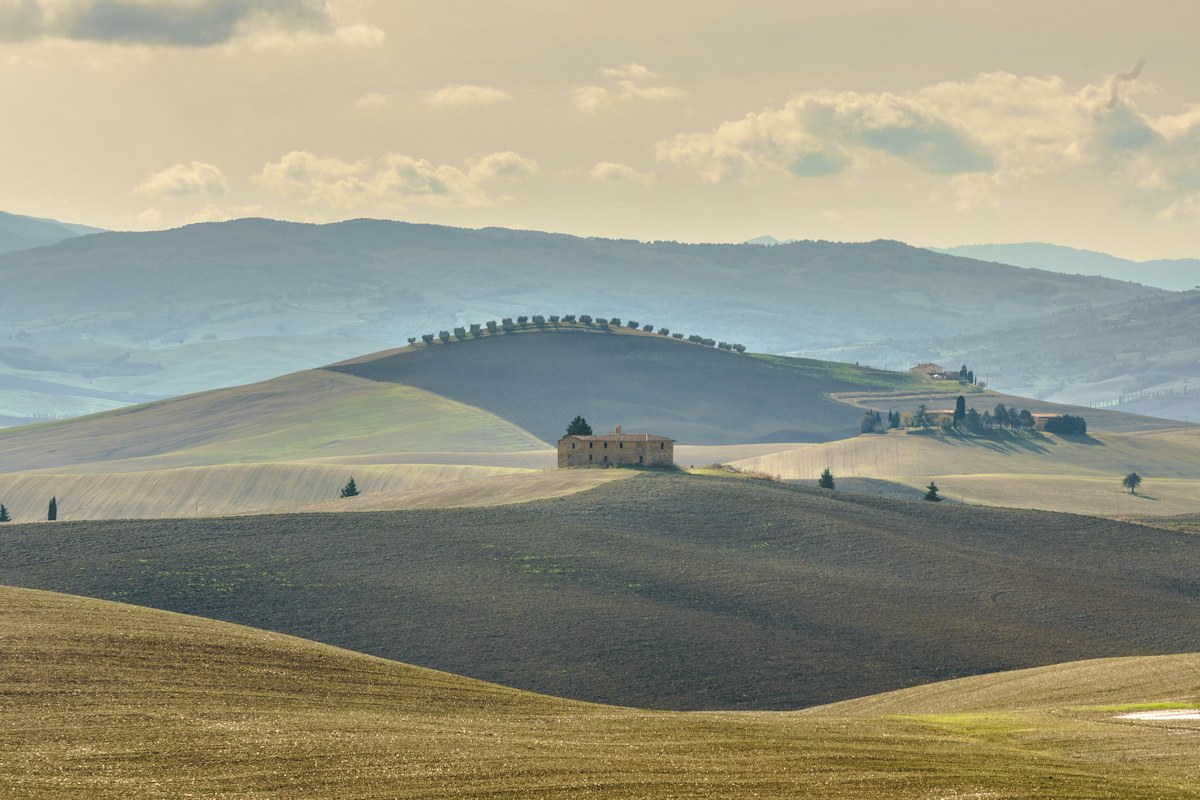
A good Tuscany itinerary starts with one decision: will you drive or not? Florence, Pisa, Lucca and Siena link up well by train and bus. However, the Chianti hills and the Val d’Orcia really open up only by car or on a guided day. This guide gives you three plans, with bases, transfers and what to book.
The short answer: with five days and no car, base yourself in Florence for three nights and in Siena for two. Then use day trips for Pisa, Lucca and San Gimignano. With seven days, spend two in Florence and then pick up a car for Chianti, Siena and the Val d’Orcia. With ten days, add Lucca or the coast. Book the Duomo dome, the Uffizi and the Leaning Tower ahead, since all three use timed entry slots.
Last updated: September 27, 2026
Tuscany itinerary at a glance
| Version | Bases | Transport | Best for | Trade-off |
|---|---|---|---|---|
| 5 days, no car | Florence (3 nights), Siena (2 nights) | Train, bus, one guided countryside day | First-timers who want the art cities | Little time in the hills |
| 7 days, with a car | Florence (2), Chianti (2), Siena or Val d’Orcia (2) | Train to Florence, car from day 3 | Couples, wine lovers, photographers | Parking and ZTL rules to learn |
| 10 days, mixed | Florence, Lucca, Chianti or Siena, Val d’Orcia | Train first, car for the last 5 days | Return visitors, slow travelers | More packing and unpacking |
| Day tours from one base | Florence only | Guided minivan or coach days | Short stays, non-drivers | Fixed pace, shared group |
Each Tuscany itinerary below assumes you arrive by train from Rome, Milan or Venice. For that leg, see our Rome to Florence train guide. Also, for the region as a whole, start from our Tuscany travel guide.
Car or no car: choose your Tuscany itinerary first
Overall, the cities are easy without a car. In fact, a car is a burden in Florence. The whole historic center is a limited traffic zone, or ZTL, with electronic gates that read license plates. The City of Florence mobility page gives the hours (checked September 2026). The main sectors are active Monday to Friday from 7:30 a.m. to 8:00 p.m. and on Saturday until 4:00 p.m.
By contrast, the countryside is where a car pays off. Wineries, farm stays and hill towns sit far apart, and rural buses are thin. So the usual pattern is simple: no car for the cities, then a car for the hills. In addition, remember the drink-driving limit before a tasting day. According to ACI, the Automobile Club of Italy (checked September 2026), the legal limit is 0.5 g/l. However, it drops to zero for drivers in their first three years with a license. Finally, our guide to driving in Italy covers tolls, parking and rentals.
5-day Tuscany itinerary without a car
This plan, in short, uses two bases and public transport only. Above all, it keeps every transfer short.
Day 1: Florence and the Duomo
First, arrive at Firenze Santa Maria Novella and walk to your room. Then spend the afternoon around the cathedral. The dome climb needs a timed slot. In fact, the official Brunelleschi Pass page says you must respect the chosen date and time (checked September 2026). Also, our page on a Florence Duomo dome climb compares guided options, while our Florence Duomo tickets guide explains each pass.
Day 2: the Uffizi and the Oltrarno
Book the Uffizi for the morning, since crowds build later. However, do not plan it for a Monday. The official Uffizi site lists the gallery as closed on Mondays (checked September 2026). After that, cross the Ponte Vecchio to the Oltrarno for lunch. For a guided visit, see our page on an Uffizi Gallery guided tour. Otherwise, read our Uffizi tickets guide.
Day 3: Pisa and Lucca by train
First, take a regional train to Pisa in the morning. The Leaning Tower runs on fixed slots. In addition, the official Opera della Primaziale Pisana page warns that late arrivals are not admitted (checked September 2026). It also bars children who will not turn 8 by the end of the year. After that, continue to Lucca for the afternoon and ride the city walls. Trenitalia lists a Florence to Pisa regional fare of about €8.90 on its Tuscany Line page (checked September 2026). Our pages on a Pisa tour with the Leaning Tower and a Lucca bike tour fit this day. Then our guide to things to do in Lucca fills in the rest.
Day 4: move to Siena
In practice, the fastest link is the rapid bus, not the train. Autolinee Toscane runs line 131R between Florence and Siena. Its official line page links a timetable with trips of about 1 hour 10 minutes (checked September 2026). Next, drop your bags and walk to the Piazza del Campo. Meanwhile, our page on a Siena walking tour suits a first afternoon.
Day 5: San Gimignano, then onward
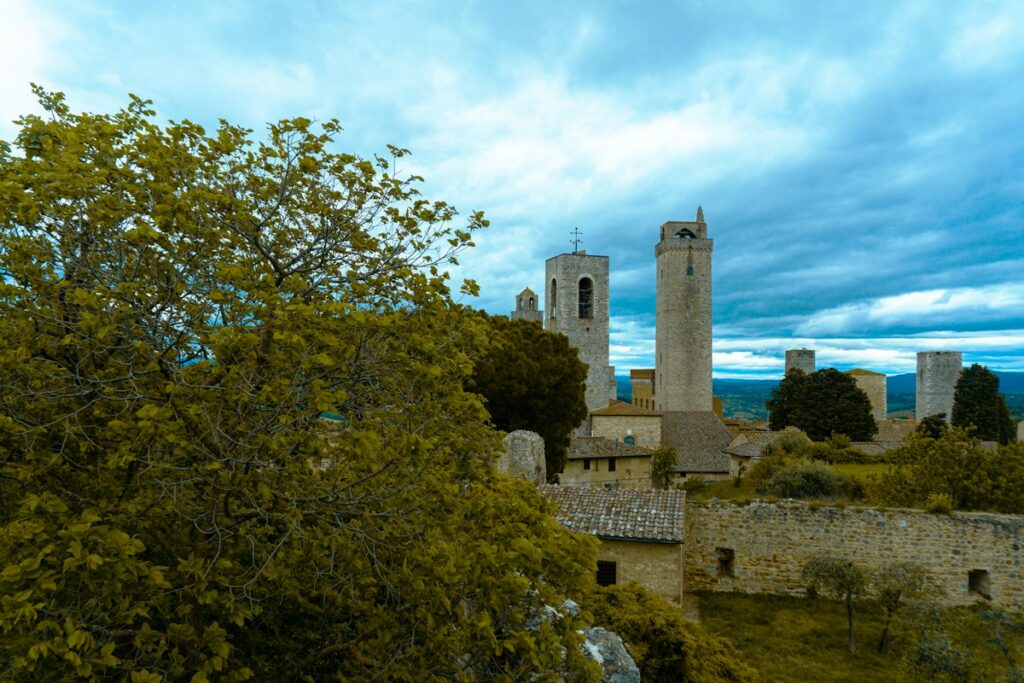
However, San Gimignano has no train station. According to the town’s official bus page (checked September 2026), you often change buses at Poggibonsi. As a result, many travelers use a guided day for this leg instead. For example, see our page on a Tuscany day trip to Siena, San Gimignano and Pisa. It covers the towns in one run from Florence.
7-day Tuscany itinerary with a car
This Tuscany itinerary spends two days in Florence without a car. Then it collects one on the morning of day 3, ideally at an office outside the ZTL.
Days 1 and 2: Florence on foot
Follow days 1 and 2 of the plan above. Also, for a taste of the hills before driving, see our page on a Chianti wine tour from Florence.
Days 3 and 4: Chianti
First, drive south to Greve in Chianti, then Panzano, Castellina and Radda. Then base yourself in a Chianti village or an agriturismo, a working farm with rooms. Most estates take visitors by appointment, so book tastings ahead. Our Chianti wine tours guide compares the formats. Similarly, our page on a Chianti e-bike tour suits non-drivers in the group.
Day 5: San Gimignano and Siena
First, reach San Gimignano early, before the day groups arrive. In fact, its historic center is on the UNESCO list, known for its medieval tower-houses. Then drive on to Siena, park outside the walls and walk in for the evening.
Days 6 and 7: the Val d’Orcia
Move your base to the Val d’Orcia, the rolling valley south of Siena. The UNESCO World Heritage page describes it as a Renaissance agricultural landscape (checked September 2026). It also names Pienza, Montalcino and San Quirico d’Orcia. On day 6, taste Brunello in Montalcino. Our page on a Montalcino Brunello wine tour removes the driving problem. On day 7, see Pienza, then Montepulciano, and head toward Rome. Our Montepulciano wine tours guide covers the cellars.
10 days in Tuscany: three ways to extend
A 10-day Tuscany itinerary adds one theme to the seven-day plan. However, choose one, not all three.
- Lucca and the Cinque Terre. Stay two nights in Lucca, then take a day on the Ligurian coast. Alternatively, see our page on a Cinque Terre day trip from Florence.
- Slow countryside days. Add a truffle hunt or a ride in the hills. For example, see our pages on truffle hunting in Tuscany and horseback riding in Tuscany.
- More Florence. Split the stay and add a morning in the hills above the city. Our page on a Vespa tour of the Tuscan hills fits a half day.
Where to sleep on a Tuscany itinerary
As a rule, pick areas, not single hotels. In Florence, stay near Santa Maria Novella for trains or in the Oltrarno for a quieter evening. Similarly, in Siena, stay inside the walls if you have no car. In the countryside, by contrast, choose one area per two or three nights. Chianti suits wine days close to Florence, while the Val d’Orcia suits landscapes and Brunello. Our guide on where to stay in the Tuscan countryside compares the areas in detail.
What to book ahead
- Duomo dome slot. Timed and dated, with no free changes.
- Uffizi entry. Pick a Tuesday to Sunday morning.
- Leaning Tower slot. Arrive early, because late visitors lose the slot.
- Winery visits. Most estates work by appointment.
- Car hire. Collect and return outside the Florence ZTL where you can.
Your Tuscany itinerary season by season
Fall is harvest time. According to the Chianti Classico consortium (checked September 2026), the Sangiovese harvest generally runs from late September to mid-October. So a fall Tuscany itinerary suits wine lovers, while estates may be busier. Our Italy in fall guide covers the wider season.
Winter, by contrast, is quiet in the cities. However, some countryside hotels close, so check dates before you book. Spring, meanwhile, brings green hills and longer days. Summer is hot in the valleys, and Siena fills up for the Palio di Siena. As a rule, plan outdoor hours early in the day.
Tours that fit this Tuscany itinerary
These experience pages match specific days of the plan. Each one lists options with prices and ratings read on Viator.
- Florence Duomo dome climb: day 1 in Florence.
- Chianti wine tour from Florence: a countryside day without driving.
- Siena, San Gimignano and Pisa day trip: three towns from one base.
- Montalcino Brunello wine tour: the Val d’Orcia wine day.
- Lucca bike tour: the walls by bike.
For more plans, see the wider Italy itineraries hub.
Flying into Milan? Our guide from Milan to Lake Como shows how to add the lake before heading to Tuscany.
Florence charges up to €8 a night in city tax; see our Italy tourist tax guide for every rate and the cap on nights.
With a spare day or two on the coast, our Cinque Terre itinerary shows how to reach the villages from Florence and Pisa.
For city detail on two of the stops, see our guides to the things to do in Siena and the things to do in Pisa.
Prefer not to drive? Our guide to private tours in Italy compares what a private tour costs against a small-group day trip.
For the San Gimignano stop, our list of things to do in San Gimignano covers the towers, tickets and parking.
Tuscany itinerary: frequently asked questions
How many days do you need for a Tuscany itinerary?
Five days cover Florence, Pisa, Lucca, Siena and San Gimignano without a car. Seven days add Chianti and the Val d’Orcia by car, and ten days allow a slower pace.
Can you do a Tuscany itinerary without a car?
Yes, for the cities. Trains link Florence, Pisa and Lucca, and a rapid bus links Florence and Siena. For wineries and small hill towns, use a guided day.
Is it better to base in Florence or Siena?
Florence has the best train links and the most museums. Siena is closer to the Val d’Orcia and San Gimignano, so many travelers split nights between them.
Should you drive into Florence?
No. The historic center is a limited traffic zone with camera gates. Collect a rental car when you leave the city, ideally outside the zone.
When is the best time for a Tuscany itinerary?
Spring and fall suit most travelers. In fall, the Sangiovese harvest generally runs from late September to mid-October.
Plan your Tuscany days
Match a tour to each day
Pair each day of your Tuscany itinerary with a tour, from the dome to Brunello, with prices and ratings read on Viator.
Book it: experiences for this trip
Matched to this article by place and interest, then ordered by Viator rating and number of reviews (checked October 2026). Prices and availability are shown live on Viator.
Keep exploring Italy