
Where to Stay · Italy2Love Magazine Guide
Where to Stay in the Langhe: Alba, Barolo or the Countryside?
Where to stay in the Langhe: compare Alba, Barolo and the countryside by transport, atmosphere, wine access and travel style.
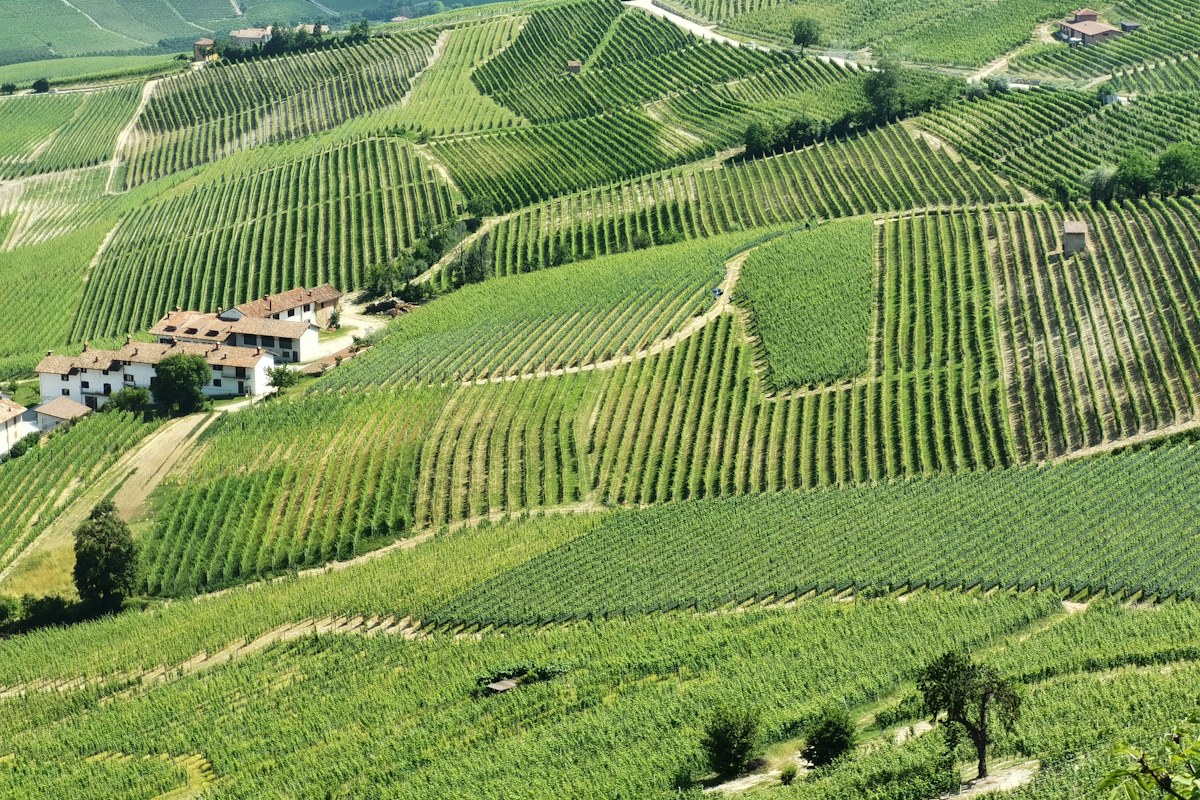
Deciding where to stay in the Langhe is less about finding the “best” hotel and more about choosing the right base for your trip. Alba gives you restaurants, shops, events and the easiest public-transport access. Barolo puts you inside one of Italy’s most celebrated wine villages. A country estate or agriturismo offers the views and quiet many travelers imagine when they picture Piedmont—but usually makes a car essential.
This guide compares Alba, Barolo and the countryside by atmosphere, transport, access to wineries and evening life. It also covers La Morra, Monforte d’Alba, Serralunga d’Alba and the Barbaresco side of the hills, so you can choose a base that matches how you actually want to travel.
Last updated: October 6, 2026
The quick answer: Alba, Barolo or the countryside?
- Choose Alba for a first visit, a trip without a car, the widest restaurant choice, markets and events.
- Choose Barolo for an immersive wine-focused stay, a compact village atmosphere and easy access to the Barolo wine area by car or driver.
- Choose the countryside for vineyard views, privacy, a pool or spa, and a slower rhythm—provided you are comfortable driving or arranging transfers.
- Choose La Morra or Monforte d’Alba if you want a hill village with strong wine access and a little more choice than tiny Barolo.
- Choose Neive or Barbaresco if your priority is the eastern Langhe and Barbaresco wines.
| Base | Best for | Car? | Main advantage | Main trade-off |
|---|---|---|---|---|
| Alba | First visits, dining, events, car-free stays | Optional in town; useful for winery days | Convenience and evening choice | Less “among the vines” atmosphere |
| Barolo | Wine lovers and village immersion | Strongly recommended | Stay at the heart of Barolo country | Quiet evenings and limited inventory |
| Countryside | Couples, slow travel, views and relaxation | Usually essential | Privacy and landscape | Dining and transfers need planning |
| La Morra / Monforte | Wine access plus village atmosphere | Recommended | Excellent position for exploring | Hilly streets and limited transport |
| Neive / Barbaresco | Barbaresco-focused itineraries | Recommended | Beautiful villages and eastern Langhe access | Farther from some Barolo producers |
If this is your first trip to the region, start with our complete Langhe travel guide. If your main dilemma is which wine zone deserves more time, read Barolo vs Barbaresco before choosing your base.
Stay in Alba for convenience, restaurants and a car-free base
Alba is the most practical answer for many travelers. It is the area’s main town, with a railway station, a walkable historic center, cafés, wine bars, shops and a larger selection of restaurants than the surrounding villages. You can arrive by train, check in, and spend your first evening exploring without thinking about parking or arranging a return transfer after dinner.
It is especially useful during busy event periods. The Alba White Truffle Fair transforms the town in fall, and staying centrally lets you attend tastings and evening events on foot. Travelers interested in the wider food culture can also pair their stay with truffle hunting in Italy.
Who should choose Alba?
- First-time visitors who want the simplest base.
- Travelers arriving by train or who prefer not to drive every day.
- Food-focused travelers who want several dinner options within walking distance.
- Anyone visiting during the truffle fair or another major event.
- Groups with different interests, because non-wine activities are easier to organise.
The trade-off is atmosphere. Alba is attractive and lively, but you will not wake up surrounded by vineyard rows. For winery visits, the town is a starting point rather than the destination itself. Public transport does not connect all wine villages and estates conveniently, so reserve a guided tour, private driver or rental car for the days you want to explore producers.
What to look for: a hotel inside or just outside the historic center if you value evenings on foot; confirmed parking if you have a car; and clear instructions about restricted-traffic zones before arrival.
Affiliate links: if you book through them, Italy2Love earns a commission at no extra cost to you.
Stay in Barolo for a wine-first village experience
Barolo is the emotional choice for travelers whose itinerary revolves around wine. The village is small, atmospheric and immediately connected to the name on the bottle. Staying here lets you enjoy the streets before day visitors arrive, linger over lunch and return to your room without leaving the village after a local tasting.
It is also a strong base for exploring the western side of the denomination, including La Morra, Castiglione Falletto, Serralunga d’Alba and Monforte d’Alba. However, “close on the map” does not mean easy without transport. Winery appointments are spread across villages and rural roads, and responsible tasting means planning a driver or an organized experience. Our guide to Barolo wine tours explains the main options.
Who should choose Barolo?
- Wine lovers who want their accommodation to be part of the experience.
- Couples who enjoy a small-village atmosphere and quiet evenings.
- Travelers with a car, driver or pre-booked wine tour.
- Visitors happy to trade nightlife and variety for location and character.
The main limitation is choice. Barolo’s accommodation inventory is much smaller than Alba’s, so the best-fitting rooms can disappear early for harvest weekends and holidays. Dinner also deserves advance planning: village restaurants may be few, popular or closed on particular days. Confirm opening days before you build the itinerary around walking to dinner.
What to look for: private parking, realistic check-in hours, help arranging tastings or transfers, and a restaurant plan for every evening. Do not assume a rural-looking property is within walking distance of the center.
Stay in the Langhe countryside for views and slow travel
A country estate, agriturismo or wine resort delivers the classic Langhe image: vineyard-covered slopes, hazy horizons, stone farmhouses and breakfast overlooking the hills. This is often the best choice for a romantic break, a honeymoon, a restorative weekend or a longer trip built around slow travel in Italy.
The category ranges from simple farm stays to polished resorts with pools, spas and restaurants. Location matters more than the label. Two properties described as “in the Langhe” may create completely different trips: one might be five minutes from a village; another may sit on a narrow rural road with no nearby dinner option.
Questions to ask before booking a rural stay
- Is dinner available on site? If not, identify nearby restaurants and how you will return after wine.
- Is the final approach suitable for your vehicle? Check parking, road surface and late-night access.
- How far is the nearest village in real driving terms? A short straight-line distance can hide winding roads.
- Can the property arrange tastings, drivers or transfers? Local assistance can save hours of planning.
- Are the pool, spa and restaurant open on your dates? Rural facilities can be seasonal.
- What does the room rate include? Breakfast, cancellation terms and local taxes vary.
The countryside is rarely the right choice for a fully car-free trip. Taxis exist but should not be treated like an on-demand city service. Arrange essential transfers ahead of time, especially for dinner, winery appointments and early departures.
The best alternative villages
La Morra: panoramic and well placed
La Morra combines a genuine hill-town feel with a strategic position above the Barolo wine area. It suits travelers who want views and wine access but prefer more cafés, restaurants and accommodation choices than tiny Barolo. The center is steep, so check the exact position of your room and parking if mobility or luggage is a concern.
Monforte d’Alba: atmosphere and evening appeal
Monforte is a compelling all-round base for visitors with a car. Its historic lanes and wine-oriented hospitality feel intimate, yet there is enough life to make several nights comfortable. It works particularly well if your winery list extends toward the southern and eastern parts of the Barolo area.
Serralunga d’Alba: dramatic and quiet
Serralunga has one of the area’s most memorable skylines and a strong sense of place. Choose it for tranquillity and proximity to important vineyards, not for a large choice of evening entertainment. Confirm dinner and transport arrangements in advance.
Neive or Barbaresco: best for the eastern Langhe
If Barbaresco producers, Roero or the eastern hills dominate your plans, staying on that side prevents unnecessary backtracking. Neive offers a particularly attractive village setting; Barbaresco places you close to the denomination’s namesake village. For a broader wine overview, see our guide to the Italian wine regions.
Can you visit the Langhe without a car?
Yes, but build the trip around Alba. It has rail access and the best concentration of everyday services. You can enjoy the town on foot and reserve a guided tour or private driver for winery days. This approach works well for a short stay focused on food, one organized wine experience and a local event.
A car becomes far more useful when you want to visit several villages, keep independent winery appointments or stay at a rural property. The wine hills are not connected by rail, and bus timetables are not designed around every tasting itinerary. Always check current schedules rather than assuming the return trip will be easy.
How many nights should you stay?
- Two nights: choose one base only. Alba is the easiest; Barolo works if wine is the sole priority and transport is arranged.
- Three nights: enough for Alba, one full wine day and one flexible food or village day.
- Four or five nights: ideal for a slower itinerary with both Barolo and Barbaresco, a relaxed lunch, and time at the hotel.
- Six nights or more: consider splitting the stay between Alba and a countryside property, but only if the change adds a meaningfully different experience.
For most first-time visitors, one well-chosen base is better than moving after a night or two. Distances look small, and changing hotels consumes time that could be spent at a producer, over lunch or enjoying the landscape.
A practical booking checklist
- Map the wineries and restaurants you actually plan to visit before choosing a town.
- Confirm parking and ask about restricted-traffic areas in historic centers.
- Check restaurant closing days, not just hotel availability.
- Choose refundable terms if the trip depends on events or harvest-season logistics.
- Ask whether the property can arrange a driver, transfer or tasting.
- Verify late check-in rules for rural accommodation.
- For summer, confirm air conditioning and pool opening dates.
- For fall, book early and expect the strongest demand around truffle and harvest weekends.
Our recommendation for most first-time visitors
Stay in central Alba if you are visiting for two or three nights, arriving by train, or want maximum flexibility. Book a wine tour or driver for one full day in the hills. Choose Barolo, La Morra or Monforte instead when the wine villages are the reason for the trip and you have transport. Reserve a countryside estate when relaxation, views and the property itself matter as much as sightseeing.
The right choice is the one that removes friction from your most important moments: walking to dinner, reaching a tasting safely, waking up to a vineyard view or getting back to the station without stress.
Planning note: transport, opening days and accommodation services can change. Confirm details directly with operators before travel. Accommodation links let you compare current availability; Italy2Love may earn a commission from selected travel partners at no extra cost to you.
Sources: official destination information from Ente Turismo Langhe Monferrato Roero, local mobility guidance from Langhe.net, and current rail planning from Trenitalia.
Planning the rest of Italy? Our guide to where to stay in Italy sorts the main bases by city, countryside and lakes. For other countryside stays, compare where to stay in the Tuscany countryside and a masseria or a trullo in Puglia.
Keep planning: Le Cornici – Cascina di Charme in Diano d’Alba.
Frequently asked questions
Is it better to stay in Alba or Barolo?
Alba is better for convenience, restaurants, events and travel without a car. Barolo is better for a wine-centered village experience. First-time visitors who are unsure usually find Alba easier; committed wine travelers often prefer Barolo or a nearby hill village.
What is the best place to stay in the Langhe without a car?
Alba is the best base without a car because it has a railway station, a walkable center and the widest range of services. Plan winery excursions with an organized tour or pre-booked driver.
Should I split my stay between Alba and the countryside?
Split the stay only if you have at least five or six nights and want two clearly different experiences. For a shorter trip, one base avoids packing and check-in time.
When should I book accommodation in the Langhe?
Book as early as possible for fall weekends, major events and small wine villages with limited rooms. Flexible dates and refundable rates help when your itinerary is still evolving.
Is Barolo walkable?
The village itself is compact, but the wider wine area is not a single walkable destination. Estates and neighboring villages require a car, driver, bicycle suitable for steep roads or an organized tour.
Book the tastings around your base
Pick Alba, Barolo or a country estate first, then match the winery tours to it.
Book it: experiences for this trip
Matched to this article by place and interest, then ordered by Viator rating and number of reviews (checked October 2026). Prices and availability are shown live on Viator.
Keep exploring Italy