
Florence concentrates centuries of art, architecture and political ambition into a compact historic centre. That density makes the city wonderfully walkable—and surprisingly easy to overload. This guide helps you choose what deserves advance booking, what can be discovered on foot and how Florence can become the base for a wider Tuscany itinerary.
Why visit Florence?
Florence is not simply an open-air museum. The Duomo still organizes the city skyline, artisan workshops remain part of neighbourhood life and Tuscan cooking keeps the destination grounded in everyday pleasures. The strongest trip balances major works—Michelangelo’s David, the Uffizi and Brunelleschi’s dome—with time along the Arno, across the Oltrarno and at the table.
What to see in Florence
The Duomo complex
Santa Maria del Fiore, Giotto’s bell tower and the Baptistery form the visual heart of Florence. Seeing the exterior is easy; climbing the dome or bell tower requires time, stairs and an advance reservation. Treat the complex as one planned visit rather than a backdrop you repeatedly rush past.
Accademia and Michelangelo’s David
The Accademia is compact compared with the Uffizi, which makes it easier to combine with a guided orientation walk. David is the focus, but the unfinished Prisoners add essential context to Michelangelo’s working process.
The Uffizi Gallery
The Uffizi rewards selective viewing. Decide whether you want a highlights route or a longer art-focused visit; attempting the gallery, Accademia and every central landmark in one day usually diminishes all three.
Ponte Vecchio, Piazza della Signoria and Santa Croce
These landmarks connect the museum city to its civic and commercial history. Walk them as a sequence, then cross into the Oltrarno for a change of pace.
Where to stay in Florence
- Historic centre: best for a short first visit and early museum entries, with higher prices and busier streets.
- Santa Maria Novella: practical for rail arrivals and Tuscany day trips.
- Oltrarno and Santo Spirito: better for evening atmosphere, workshops and a more residential rhythm.
- Santa Croce: lively and walkable, useful for food and nightlife without leaving the centre.
How many days do you need?
One day is a highlights sprint. Two days allow one major museum each day plus the historic centre. Three days create room for the Oltrarno, markets and a slower evening. With four days, Florence works well as a base for Siena, San Gimignano, Pisa or the Chianti countryside.
When to visit Florence
Spring and early autumn generally offer the most comfortable balance for walking, while summer brings heat and intense demand. Winter can be attractive for museum-focused trips, although opening arrangements and temporary exhibitions should always be checked. Florence is busy well beyond July and August, so “shoulder season” does not mean empty.
Getting around
The historic centre is best explored on foot. Trams are useful for the airport and outer districts; trains make Florence a strong base for several Tuscan cities. A car is usually a burden inside the centre and becomes useful mainly when the countryside—not Florence itself—is the priority.
Experiences that add real value
A Florence walking tour with David and the Duomo can provide orientation and context early in the trip. If you want several Tuscan icons without driving, compare a Tuscany day trip from Florence. Wine-focused travellers should consider whether a Chianti wine tour offers the pace and tasting format they actually want.
Plan your visit
Selected Florence experiences
Compare the current details on the provider's website before booking.

Viator · Experience
Best of Florence: Small Group Tour David & Accademia with Duomo
Best for: First-time Florence visitors
- Free cancellation within the provider window
Why we selected it: Combines city orientation with reserved access to David; verify the precise Duomo inclusion.
Check live price and availability
Check live availability
Viator · Experience
Tuscany Day Trip from Florence: Siena, San Gimignano, Pisa and Lunch at a Winery
Best for: Travellers with limited time and no car
- Free cancellation within the provider window
Why we selected it: High-coverage itinerary; best for range rather than slow travel.
Check live price and availability
Check live availability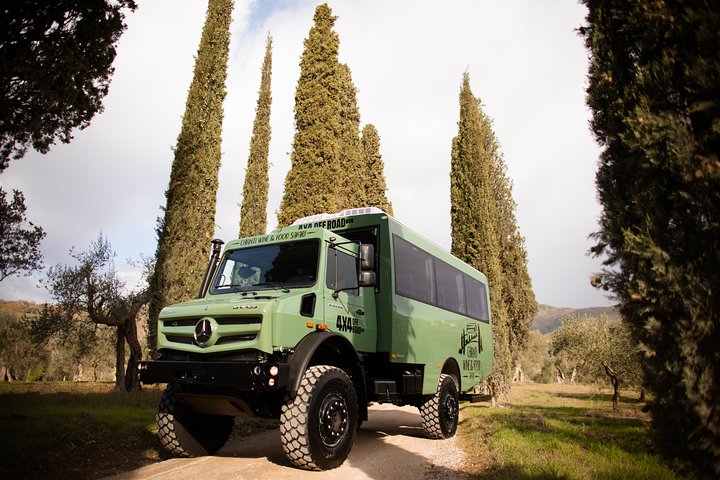
Viator · Experience
SMALL-GROUP Wine Safaris: Tuscany Wine Tasting Tour from Florence
Best for: Wine-curious travellers without a car
- Free cancellation within the provider window
Why we selected it: Transport solves the designated-driver problem; compare full meal versus tasting inclusions.
Check live price and availability
Check live availabilityAffiliate disclosure: Italy2Love may receive a commission from qualifying bookings, at no additional cost to you. Availability, prices and conditions are controlled by the provider.
Official resources for planning Florence
Opening arrangements and access rules can change. Before finalising your itinerary, check the official Uffizi Galleries website, the official Opera del Duomo guidance and FeelFlorence, the tourism portal of the Municipality and Metropolitan City of Florence.
Florence travel questions
Is Florence walkable?
Yes. Most major sights are concentrated in and around the historic centre, although stone paving, crowds and summer heat can make distances feel longer.
Should you book Florence attractions in advance?
Book timed-entry museums and climbs that matter most to you. Leave ordinary walks, squares and neighbourhood exploration flexible.
Is Florence a good base for Tuscany?
Yes for rail-connected cities and organized day trips. For small villages, wineries and rural stays, a separate countryside base or carefully planned transport may work better.