
Rome rewards curiosity, but it also demands a plan. This destination hub helps you decide what to see, how long to stay, where to base yourself and which experiences are worth booking before you arrive.
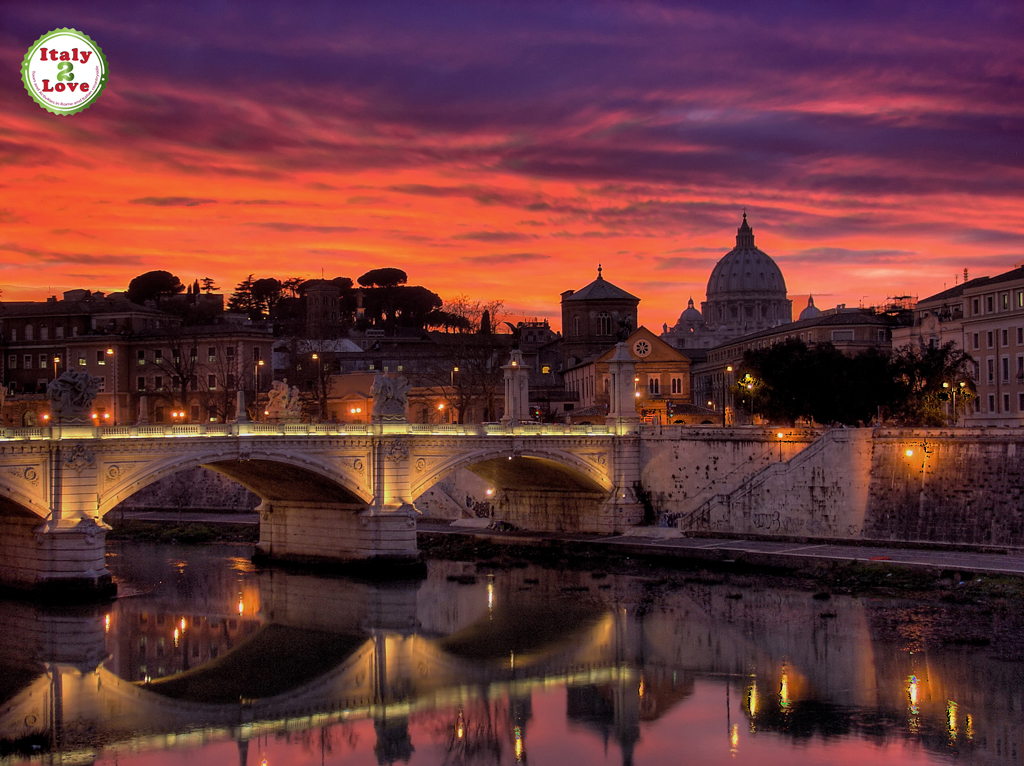
Rome at a glance
Best for
Ancient history, art, architecture, neighbourhood life, Roman food and first-time city breaks.
Ideal stay
Three full days cover the essentials. Four or five days create space for neighbourhoods, museums and a day trip.
Plan first
Reserve high-demand attractions, group nearby sights and leave unscheduled time for walking and discovery.
Why visit Rome?
Rome is one of the rare cities where the historical layers remain part of everyday life. Ancient sites, Renaissance palaces, Baroque fountains, markets and residential streets are not separate attractions: together they form the experience of the city.
First-time visitors usually come for the Colosseum, the Roman Forum, the Pantheon, the Trevi Fountain and the Vatican. The more memorable trip often emerges between those landmarks: an early walk through Monti, lunch in Testaccio, an evening in Trastevere or a quiet church entered without a checklist.
What to see in Rome
Ancient Rome
The Colosseum, Roman Forum and Palatine Hill form Rome’s essential archaeological core. Treat them as one historical landscape rather than three unrelated stops. A guided visit can add context and reduce the effort of understanding a complex site. Read our guide to the Roman Forum, then compare it with the bookable Colosseum experience connected to this hub.
The Vatican and Renaissance Rome
The Vatican Museums, Sistine Chapel and St Peter’s Basilica require their own planning window. Do not combine them with Ancient Rome unless your time is extremely limited. Around the historic centre, Piazza Navona, the Pantheon and the streets towards Campo de’ Fiori reveal a different Rome built around papal power, civic spaces and daily life.
Baroque Rome and the historic centre
The Trevi Fountain, Spanish Steps and surrounding streets are busiest in the middle of the day. Visit early or return after dinner, when the city has a different rhythm. Walking is not merely transport here: it is the best way to understand how monuments, squares and neighbourhoods connect.
What to do beyond the landmarks
Rome becomes more rewarding when sightseeing is balanced with experiences. Consider a neighbourhood food walk, a cooking class, a specialist archaeology tour or a guided visit that explains what you are seeing rather than simply moving you through a queue.
Food-led travelers can start with our guide to the best food tours in Rome, explore cooking lessons in Rome or discover olive oil tasting near the Pantheon.
How many days do you need in Rome?
Rome in one day
Choose one major historical area and one evening neighbourhood. Trying to cover the Colosseum, Vatican and every central landmark in a single day produces more transit than understanding.
Rome in three days
Use one day for Ancient Rome and Monti, one for the Vatican and Prati, and one for the historic centre, Trastevere and a food experience. This is the strongest first-visit framework because each day has a clear geographical logic.
Rome in four or five days
Add museums, neighbourhoods such as Testaccio or the Aventine, and one nearby destination. The extra time also makes the trip more resilient when weather, queues or temporary access changes disrupt the original plan.
Where to stay in Rome
Historic centre and Monti
Choose the historic centre for maximum walkability and Monti for proximity to Ancient Rome with a more neighbourhood-oriented atmosphere. Both work well for a short first trip.
Prati, Trastevere and Testaccio
Prati suits Vatican-focused plans; Trastevere offers lively evenings; Testaccio appeals to travelers prioritising Roman food and a more residential base.
Accommodation inventory will be added through Italy2Love’s provider-neutral offer layer. Until that integration is approved, this hub will not present invented prices or availability.
What to eat in Rome
Roman cooking is direct, seasonal and deeply connected to the city’s neighbourhoods. Carbonara, cacio e pepe, amatriciana and gricia are the famous pasta dishes, but the broader tradition also includes artichokes, supplì, pizza al taglio and offal-based cucina romana.
A useful rule is to choose places with a focused menu and a visible local clientele. Avoid selecting a restaurant only because it sits beside a major attraction. Markets and food tours can provide context, but they should complement rather than replace independent exploration.
When to visit Rome
Spring and autumn usually offer a more comfortable balance between walking weather and daylight. Summer brings heat and heavy demand at major attractions, while winter can offer quieter streets outside holiday periods. Availability, events and opening conditions change, so confirm time-sensitive details with official sources before travel.
For a wider seasonal comparison, use our guide to the best time to visit Italy. If you are planning a festive trip, see our dedicated guide to Christmas in Rome.
Getting around Rome
Central Rome is best explored through a combination of walking and public transport. Build each day around one area, wear shoes suitable for uneven surfaces and allow more time than a map suggests. Taxis can be useful for early departures or cross-city transfers, but they do not replace careful route planning in the historic centre.
Day trips and the territory around Rome
Rome can connect naturally to Tivoli, Ostia Antica, the Castelli Romani, Orvieto and the hill towns north of Lazio. Choose a day trip because it adds contrast to your itinerary, not because a crowded schedule demands another box to tick.
Travelers continuing through central Italy can explore Tuscia, discover Ciociaria or continue with the Florence travel guide and Naples travel guide.
Book experiences in Rome
Italy2Love connects editorial guidance with selected commercial inventory. Offers are supplied by external partners, may change without notice and should always be checked on the provider’s booking page.
Plan your visit
Selected booking options
Compare the current details on the provider's website before booking.

Viator · Experience
Skip-the-Line Vatican, Sistine Chapel & St. Peter's | Small Group
Best for: First-time Vatican visitors
- Free cancellation within the provider window
Why we selected it: Strong when interpretation and museum routing matter; Basilica access can vary.
Check live price and availability
Check live availability
Viator · Experience
Rome 3 in 1 Cooking Class: Fettuccine, Ravioli & Tiramisu
Best for: Food-focused couples, friends and solo travellers
- Free cancellation within the provider window
Why we selected it: Interactive contrast to monument-heavy days; dietary suitability requires confirmation.
Check live price and availability
Check live availability
Viator · Experience
Pompeii from Rome with Optional Mt. Vesuvius & Pizza Lunch
Best for: Rome visitors who cannot stay in Naples
- Free cancellation within the provider window
Why we selected it: A demanding full day; confirm whether Vesuvius is operating for the selected date.
Check live price and availability
Check live availabilityAffiliate disclosure: Italy2Love may receive a commission from qualifying bookings, at no additional cost to you. Availability, prices and conditions are controlled by the provider.
Plan your Rome trip with confidence
Start with the number of days available, group sights geographically and reserve only the experiences that genuinely improve your understanding of the city. Rome does not need to be completed: it needs to be experienced at a pace that leaves room for discovery.