
BLOG · Italy2Love Magazine Guide
Italian Wine Regions: A Traveler’s Guide to Wines, Grapes, Bases and Tours (2026)
Italian wine regions for travelers: the signature wines, main grapes, best base towns and how to visit Piedmont, Tuscany, Veneto, Sicily, Friuli, Alto Adige, Campania, Puglia and Umbria.
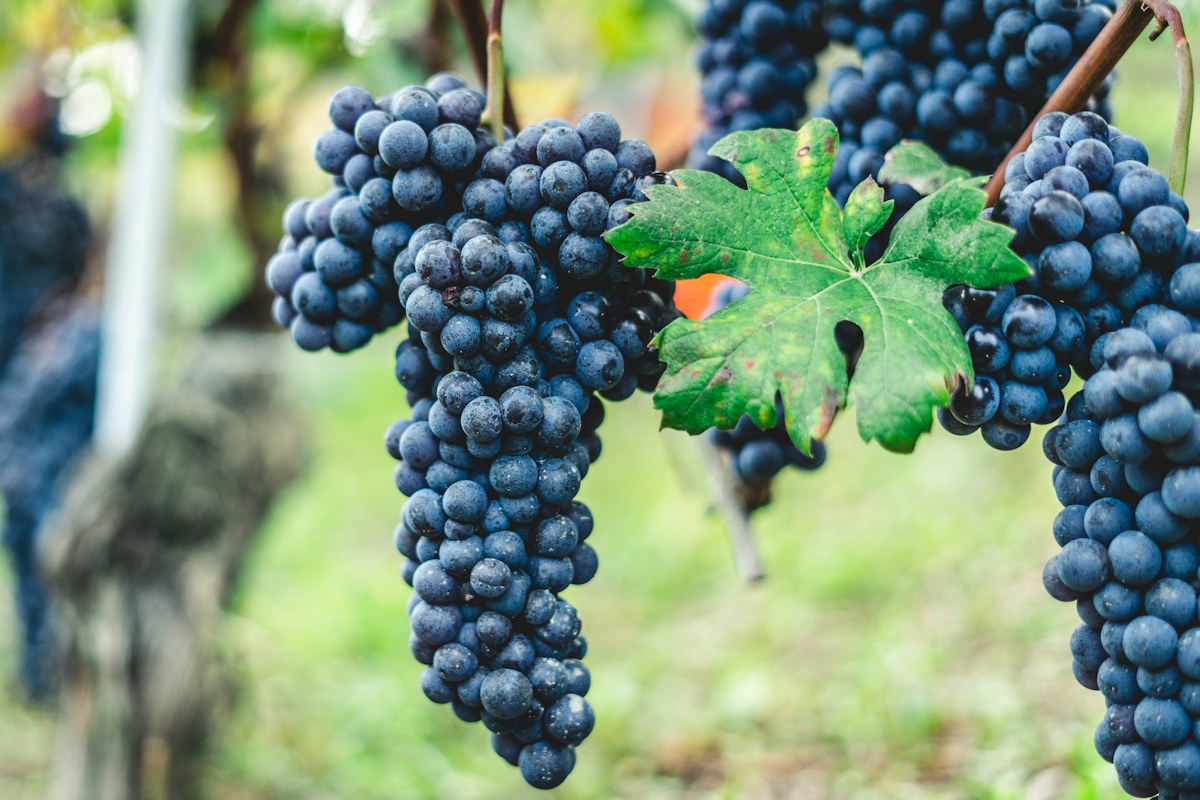
Italian wine regions are everywhere you look, since every one of Italy’s 20 regions makes wine. For a visitor, however, only a handful combine famous bottles, wineries open to guests and a practical base town. This guide covers ten of them, from the Langhe to Etna, with the signature wines, the main grape, where to sleep and how to visit.
The short answer: For a first wine trip, pick one region that fits your route. Tuscany (Chianti, Montalcino, Montepulciano) is easiest from Florence or Siena. Piedmont’s Langhe suits Barolo lovers and fall truffle season. Near Venice and Verona, the Prosecco hills and Valpolicella work as day trips. In Sicily, Etna pairs volcano views with wine. Book a guided tour or a driver: Italy’s alcohol limit is 0.5 g/l, and zero for new drivers.
Last updated: September 26, 2026
Italian wine regions at a glance
Use this table to match Italian wine regions to your itinerary.
| Region | Signature wines | Main grape | Base | Our guide |
|---|---|---|---|---|
| Piedmont (Langhe) | Barolo, Barbaresco | Nebbiolo | Alba | Barolo wine tours |
| Tuscany (Chianti) | Chianti Classico | Sangiovese | Florence or Siena | Chianti wine tours |
| Tuscany (Montalcino) | Brunello, Rosso di Montalcino | Sangiovese | Siena or the Val d’Orcia | Montalcino wine tours |
| Tuscany (Montepulciano) | Vino Nobile di Montepulciano | Sangiovese | Montepulciano or the Val d’Orcia | Montepulciano wine tours |
| Veneto (Valpolicella) | Amarone, Ripasso, Valpolicella | Corvina, Corvinone, Rondinella | Verona | Valpolicella wine tasting |
| Veneto (Prosecco hills) | Conegliano Valdobbiadene Prosecco Superiore | Glera | Conegliano, Treviso or Venice | Prosecco hills tours |
| Sicily (Etna) | Etna Rosso, Etna Bianco | Nerello Mascalese, Carricante | Taormina or Catania | Etna wine tours |
| Friuli (Collio) | Friulano, Ribolla Gialla, Collio Bianco | Friulano and other whites | Cormons or Gorizia | — |
| Alto Adige | Lagrein, Schiava, Gewürztraminer | Lagrein, Schiava | Bolzano | — |
| Campania (Irpinia) | Taurasi, Fiano di Avellino, Greco di Tufo | Aglianico | Avellino or Naples | — |
| Puglia (Salento) | Primitivo di Manduria, Negroamaro | Primitivo, Negroamaro | Lecce | — |
| Umbria (Montefalco) | Montefalco Sagrantino, Montefalco Rosso | Sagrantino | Perugia or Montefalco | Montefalco winery tour |
How Italian wine regions name their wines
Most Italian wines take their name from a place, not a grape. For example, Barolo is a village, Chianti is an area, and Montepulciano is a town. As a result, the label tells you where before it tells you what.
Two acronyms also help. DOC means a protected designation with production rules, and DOCG adds a further level of control. In addition, each appellation has its own rulebook, set by its consortium and approved by the state. For a tour of the producers behind the labels, see our guide to Italian wine brands.
Piedmont: Barolo and Barbaresco in the Langhe
The Langhe hills south of Alba are the home of Nebbiolo. According to the Barolo consortium (checked September 2026), Barolo is 100% Nebbiolo from 11 municipalities, three of them fully inside the zone. Its production rules require at least 38 months of aging, 18 of them in wood. Barbaresco, the neighbor on the other side of Alba, is younger at release.
Then there is the base: Alba works best, since it sits between the two zones. In fall, the town also hosts the International White Truffle Fair, which runs from October 10 to December 6, 2026, according to the official fair site (checked September 2026). Estates are spread across steep hills, so a tour or a driver works best.
Tuscany: Chianti, Montalcino and Montepulciano
Tuscany is the easiest of the Italian wine regions for first-timers, because Florence and Siena sit at its edge. Sangiovese rules here, but each area has its own style.
- Chianti Classico: the hills between Florence and Siena. Every bottle must carry the Black Rooster, according to the Chianti Classico consortium (checked September 2026). Greve, Castellina and Radda are also the classic stops.
- Montalcino: south of Siena, home of Brunello. The Brunello consortium notes that Sangiovese is locally called “Brunello” (checked September 2026). The wine goes on sale only from January 1 of the sixth year after the harvest.
- Montepulciano: a hill town farther east. Vino Nobile must contain at least 70% Sangiovese, according to the Vino Nobile consortium (checked September 2026). Historic cellars under the town make it easy to taste on foot.
For the wider picture, read our overview of Tuscan wines. From Florence, Chianti is the short hop; Montalcino and Montepulciano suit a night or two in the countryside.
Veneto: Valpolicella and the Prosecco hills
Similarly, Veneto gives you two very different wine days from two famous cities. Northwest of Verona, Valpolicella makes red wines from Corvina, Corvinone and Rondinella, according to the Valpolicella consortium (checked September 2026). Its star is Amarone, made from grapes dried for 100 to 120 days until they lose at least half their weight, as set in the Amarone rules.
North of Venice, the hills between Conegliano and Valdobbiadene make Prosecco Superiore from the Glera grape. In fact, UNESCO listed this landscape of steep “hogback” hills as World Heritage in 2019 (checked September 2026). Conegliano has a train station, while the hill villages need a car or a tour.
Sicily: wine on the slopes of Etna
On Sicily’s volcano, the official Etna wine consortium sets Nerello Mascalese at a minimum of 80% in Etna Rosso and Carricante at a minimum of 60% in Etna Bianco (checked September 2026). In addition, the consortium’s terroir page counts 133 contrade, the rural districts that can appear on labels.
As for a base, most visitors choose Taormina or Catania. The classic wine villages line the north slope, so most visitors join a tour that combines a winery with the volcano.
Friuli and Alto Adige: the white wine north
Friuli: the Collio
The Collio hills near Gorizia, on the border with Slovenia, are white wine country. According to the Collio consortium (checked September 2026), the area has about 1,500 hectares of vines and became a DOC in 1968. In the glass, look for Friulano, Ribolla Gialla and the blend called Collio Bianco. Cormons, home of the consortium, makes a quiet base.
Alto Adige
In South Tyrol, over 96% of vineyards fall under DOC protection, according to Alto Adige Wines (checked September 2026). Meanwhile, the regional tourism board describes the South Tyrolean Wine Road as a 150-kilometer route through 15 villages, including Eppan, Kaltern and Tramin. Above all, look for the native red Lagrein, Schiava (Vernatsch in German) and aromatic Gewürztraminer. Bolzano is the base, with the Wine Road starting right outside town.
Southern and central Italian wine regions: Campania, Puglia and Umbria
Campania: Irpinia
Inland from Naples, the hills of Irpinia make Taurasi, a powerful red. According to the Irpinia wine consortium (checked September 2026), it contains at least 85% Aglianico and ages at least three years, including 12 months in wood. The same consortium protects two whites, Fiano di Avellino and Greco di Tufo. Avellino is the base; from Naples, it works as a long day.
Puglia: Salento
By contrast, the heel of Italy is red wine country, with Primitivo and Negroamaro as its main grapes. According to the Puglia region (checked September 2026), the sweet Primitivo di Manduria Dolce Naturale comes only from Primitivo, in the provinces of Taranto and Brindisi. Lecce makes a lively base.
Umbria: Montefalco
In central Umbria, the hill town of Montefalco is the home of Sagrantino. According to the municipality of Montefalco (checked September 2026), Montefalco Sagrantino is made only from Sagrantino and became a DOCG in 1992. Also, it comes dry or as a sweet passito, made from dried grapes. Montefalco Rosso blends Sangiovese with Sagrantino.
Choosing among Italian wine regions
- Rome, Florence and Venice trip: add Chianti from Florence and the Prosecco hills or Valpolicella from Venice or Verona.
- Northern loop: Piedmont and Valpolicella combine well with Milan and Lake Garda; Alto Adige fits a Dolomites stay.
- Southern trip: Etna pairs with Taormina, Irpinia with Naples, and Salento with Lecce.
- Slow Tuscany: Montalcino and Montepulciano reward two nights in the Val d’Orcia.
Timing matters too. For example, the harvest in Chianti Classico usually runs from late September into October, according to the consortium’s harvest page (checked September 2026). Estates are busy then, so book early. Finally, the train reaches most base towns, not the wineries. See our guide to trains in Italy for fares and regional lines.
Driving yourself: the legal limit
Italy’s general limit is 0.5 grams of alcohol per liter of blood. However, it drops to zero for drivers under 21, for drivers in their first three years with a license and for professional drivers, according to the Automobile Club d’Italia (checked September 2026). So the only safe plan is a designated driver who does not drink, a hired driver or a guided tour. Back in town, an evening aperitivo, the pre-dinner drink with snacks, is the relaxed way to keep tasting.
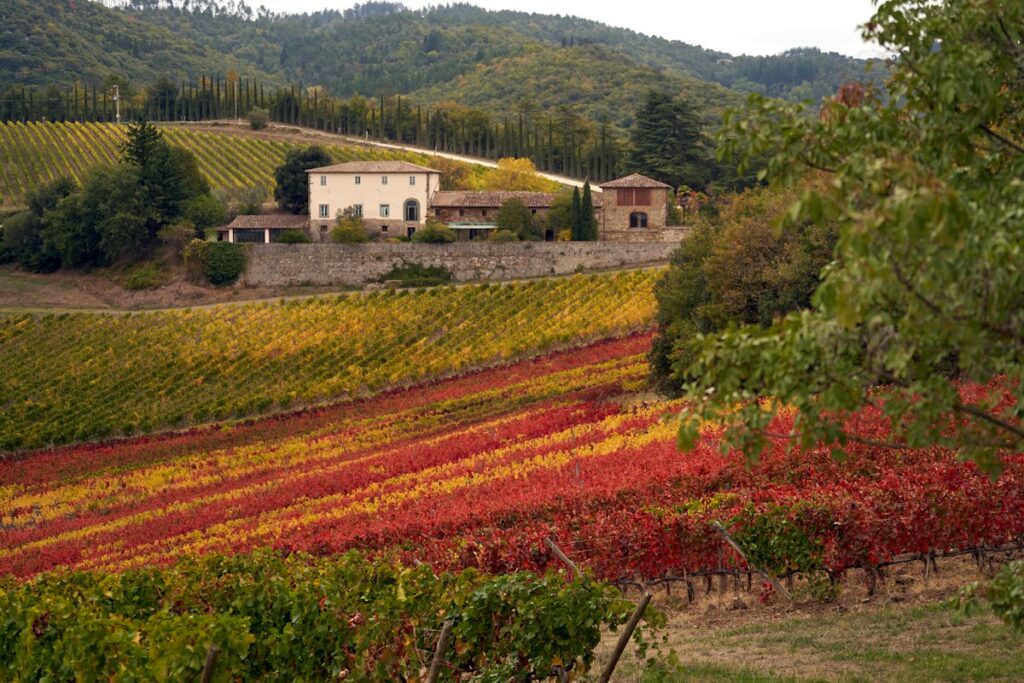
Book a wine tour in Italy
These experience pages on our site cover the most visited regions. Each lists prices and ratings read on Viator:
- Barolo wine tour in the Langhe: Nebbiolo country in Piedmont.
- Chianti wine tour from Florence: the classic Tuscan wine day.
- Montalcino Brunello wine tour: Brunello in southern Tuscany.
- Valpolicella wine tour: Amarone country near Verona.
- Prosecco hills wine tour from Venice: a day in the UNESCO hills.
- Etna wine tour from Taormina: volcanic wines on the slopes of Etna.
- Montefalco winery and oil mill tour: Sagrantino and olive oil in Umbria.
To compare every format and region in one place, browse our wine tours in Italy.
Italian wine regions: frequently asked questions
How many wine regions does Italy have?
Every one of Italy’s 20 administrative regions makes wine. For visitors, the most practical are Piedmont, Tuscany, Veneto and Sicily, followed by Friuli, Alto Adige, Campania, Puglia and Umbria.
Which Italian wine region is best for a first trip?
Tuscany is the simplest, because Chianti is a short trip from Florence and Siena. If your trip centers on Venice or Verona, the Prosecco hills or Valpolicella are just as easy.
Can I visit Italian wineries without a car?
Trains reach base towns such as Alba, Verona, Conegliano and Florence, but rarely the estates. A guided tour or a private driver covers the last stretch.
What is the drink-driving limit in Italy?
The general limit is 0.5 g/l. It is zero for drivers under 21, for drivers in their first three years with a license and for professional drivers.
When is the best time to visit Italian wine regions?
Fall is popular for the harvest and, in Piedmont, the Alba truffle fair. Estates are busy at harvest, so book ahead.
Plan your wine trip
Find your Italian wine tour
Compare wine tours in Piedmont, Tuscany, Veneto, Sicily and Umbria, with prices and ratings read on Viator.
Book it: experiences for this trip
Matched to this article by place and interest, then ordered by Viator rating and number of reviews (checked September 2026). Prices and availability are shown live on Viator.
Keep exploring Italy