
BLOG · Italy2Love Magazine Guide
Agriturismo in Italy: How to Choose an Authentic Farm Stay
Agriturismo in Italy explained: verify an authentic farm stay, compare types, food, transport and seasons, and use a practical booking checklist.
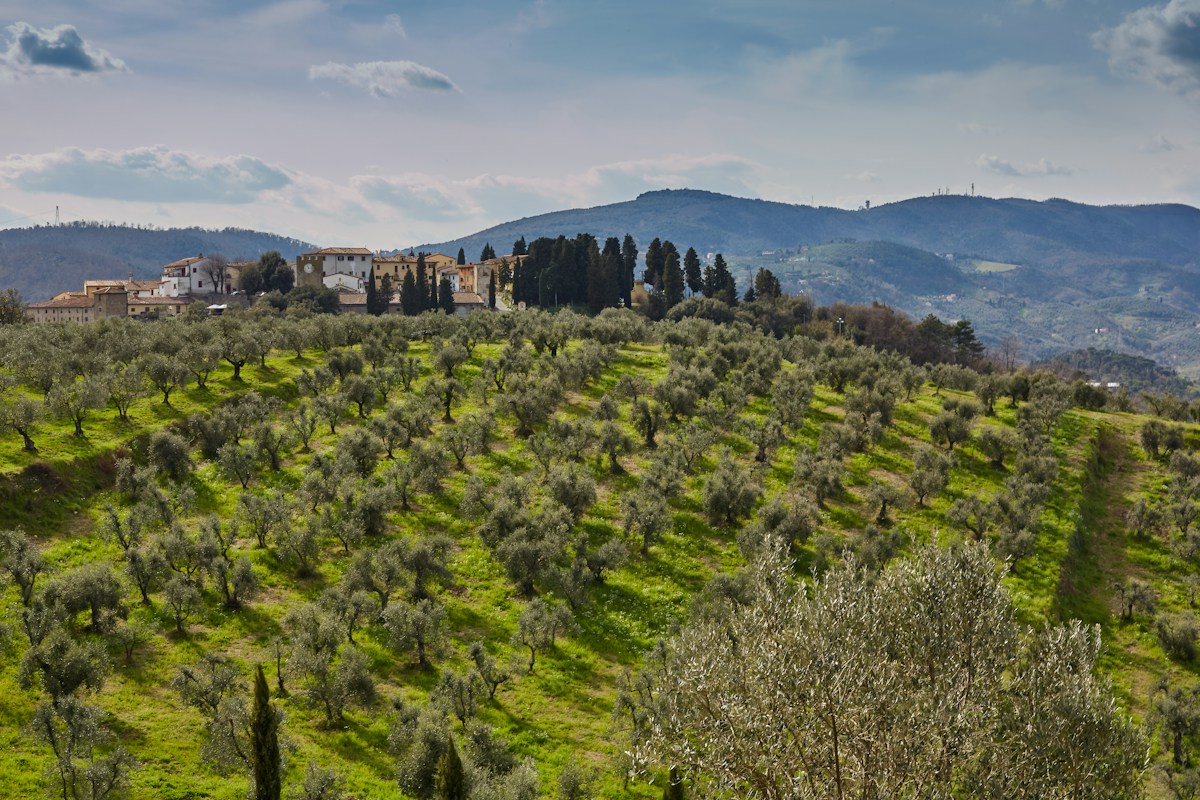
Agriturismo in Italy is not simply a rustic hotel: legally, it is hospitality connected to a working farm. The best choice is therefore not the prettiest stone house, but the property whose farm activity, food offer, location and service level match the trip you actually want.
Quick answer: verify that the property is an authorised agriturismo, identify what it farms or produces, check exactly which meals and activities operate during your dates, and map the last kilometre before booking. Then decide whether you need a room, a self-catering apartment, a restaurant-led stay or a higher-comfort country estate.
- Choose it for: countryside, local food, space, quiet and a slower base.
- Do not assume: daily farm work, dinner every night, air conditioning, a pool, animal access or public transport.
- Best authenticity check: look for official recognition, named agricultural production and specific—not generic—descriptions of what guests can experience.
What is an agriturismo in Italy?
Italy’s national framework treats agritourism as hospitality run by agricultural entrepreneurs in connection with farming, forestry or animal husbandry. Accommodation may be part of the offer, but an agriturismo can also serve food, organise tastings, host educational or recreational activities, or provide camping space when authorised. The agricultural activity remains the defining element.
The official Agriturismo Italia explanation is the useful reference here. It also explains why a country house, rural B&B or resort can look similar without being an agriturismo. Regional rules then govern the practical requirements and limits, so the exact offer varies across Italy.
This distinction matters to travellers. “Farmhouse” is a style; agriturismo is a regulated relationship between hospitality and a farm. Authenticity is not about rough linen, old tools on a wall or a host performing a cliché. It is about a real agricultural business whose land, products and season shape the stay—even when the rooms are polished and the pool is excellent.
How to verify that it is a genuine agriturismo
Start with the property’s legal name and municipality. Italy’s official portal has a National Register search for recognised farms, with filters for accommodation, restaurant, tastings, camping, activities and type of farming. A missing result is not automatically proof of a problem—regional data and business names can differ—but it is a reason to ask for the registered name and authorisation details.
Also look for the Agriturismo Italia sunflower mark. The official system classifies authorised properties from one to five sunflowers according to comfort, variety of services and environmental context. It is useful, but it is not a simple “authenticity score”: a modest one-sunflower farm may have a very strong agricultural identity, while a five-sunflower estate signals a broader service and comfort offer. Read the official classification explanation before comparing it with hotel stars.
Seven positive signals
- The farm activity is named. The description says olives, vines, grain, fruit, dairy, livestock, honey or another real production—not only “surrounded by nature”.
- The agricultural calendar is specific. Harvests, pruning, cheese-making or animal care are described as seasonal, rather than promised every day.
- Food claims are precise. The property explains what comes from its farm, what comes from nearby producers and when meals are served.
- The host sets boundaries. Working areas, animals and machinery are not treated as an amusement park; supervised access is explained clearly.
- The location is transparent. Driving time, final road conditions, parking and the nearest village or station are easy to establish.
- Reviews describe the same reality. Recent guests repeatedly mention the farm, hosts, food, access and atmosphere—not only the pool or room decor.
- Photos show the working landscape. Buildings, fields, produce and shared spaces appear alongside bedrooms and sunset shots.
Red flags worth a second check
- No agricultural activity is named anywhere.
- “Farm-to-table” is advertised, but menus, meal days and sourcing are unclear.
- The map pin is vague, yet the listing promises easy access without explaining transport.
- Every experience is advertised as always available, regardless of season or weather.
- The property calls itself both a resort and an agriturismo, but never explains the farm.
The main types of farm stay
There is no single agriturismo format. Two properties in the same valley can serve completely different trips, so choose the operating model before the region.
| Type | What to expect | Best for | Confirm before booking |
|---|---|---|---|
| Rooms with breakfast | Private room in a farmhouse or converted rural building | Short stays, couples, travellers who eat out | Breakfast days, private bathroom, check-in window |
| Self-catering apartment | Kitchen and more independence, sometimes in a separate building | Families, longer stays, dietary control | Kitchen equipment, cleaning, heating or cooling, nearest shop |
| Restaurant-led agriturismo | Meals are central; rooms may be secondary | Food travellers, weekend stays | Restaurant opening days, set menu, dietary requests, table reservation |
| Wine or olive estate | Vineyards or groves, tastings and product sales | Couples, food and wine itineraries | Tasting schedule, driving after wine, harvest access |
| Family and educational farm | Animals, gardens or supervised activities | Families with children | Age limits, supervision, fencing, pool safety |
| High-comfort rural estate | Farm identity with hotel-level rooms, pool, spa or concierge services | Slowxury, celebrations, comfort-first trips | Which services are included, meal plan, farm connection |
| Agricampeggio | Authorised pitches or simple outdoor accommodation on a farm | Road trips, campers, low-impact stays | Vehicle access, power, bathrooms, shade and seasonal opening |
Food and restaurants: what “farm-to-table” really means
Meals are not automatic. Some agriturismi serve breakfast only, some offer dinner on selected days, some run a restaurant open to outside guests, and others provide no catering. Italian rules connect agritourism food to the farm and the local agricultural area, but the exact sourcing thresholds and service rules are regional.
Ask four direct questions: Which products come from this farm? Which come from nearby farms? On which days is dinner served? Must guests reserve in advance? If you have allergies or dietary requirements, request a written answer before paying a non-refundable rate. A genuine farm kitchen can still have a fixed menu and limited alternatives because it cooks around what is available.
Do not use “homemade” as your only quality test. A professional kitchen, a short seasonal menu, clear provenance and honest limits are stronger signals than romantic language. Conversely, a self-catering apartment can be an excellent choice if the farm sells its oil, vegetables, wine or cheese and the host directs you to local markets.
Location and transport: countryside freedom has a last-mile cost
The most common booking mistake is choosing the property first and checking the map later. An agriturismo in Italy may be close to a famous town in straight-line distance but reached by a slow rural road. Taxis may need advance booking, buses may stop in the village rather than at the gate, and restaurants may be impossible to reach safely on foot after dark.
| If you travel… | Choose this location pattern | Verify |
|---|---|---|
| Without a car | Near a town, rail station or property with a confirmed shuttle | Exact walking route, luggage transfer, evening return |
| With a rental car | Outside historic centres, with on-site parking | Final road surface, gate access, ZTL route, fuel or charging |
| With children | One base with short day trips | Pool fencing, stairs, animals, kitchen and laundry |
| For wine tasting | Estate with on-site tasting or driver options | Do not plan to drive after tasting; arrange transport first |
| For a city-and-country trip | Split the stay instead of commuting daily | Train-day hotel plus countryside farm stay |
For driving rules, restricted-traffic zones and rural logistics, read our driving in Italy guide and the separate guide to renting a car in Italy. If you prefer public transport, start with our national where to stay in Italy decision guide and choose the base before the property.
When to stay: the season changes the experience
Farm life is seasonal, and hospitality is too. Ask what is operating during your exact dates rather than relying on a generic annual description.
- Spring: green landscapes and active farms, but pools and outdoor restaurants may not yet be open. Confirm heating on cool nights.
- Summer: the broadest service window in many areas, with pools and outdoor dining. Check air conditioning, shade, insects and late check-in if you arrive after a long drive.
- Autumn: grapes, olives, chestnuts and truffles shape many regions. Harvest participation is never guaranteed; ask whether guests can observe, join or only book a related tasting. Our guide to olive oil tours in Italy explains harvest timing and how to choose a real mill or estate visit.
- Winter: a quiet, atmospheric choice when the property is designed for it. Verify heating, restaurant days, road access and whether the farm closes facilities outside weekends or holidays.
Our best time to visit Italy hub helps you choose the wider travel window. Use it for weather and crowds; use this guide for the farm-stay decision.
Which region fits your farm-stay idea?
This national guide owns the “how to choose” question. Regional guides should answer a different one: where to base yourself and which local farm landscape fits the itinerary.
| Area | Typical rural context | Choose it when… |
|---|---|---|
| Tuscany | Wine, olives, hill towns and converted stone farms | You want the widest choice and classic first-time countryside logistics |
| Umbria | Olives, woodland, medieval towns and inland valleys | You value quieter bases and central-Italy road trips |
| Puglia | Olive groves, masserie, trulli and coastal-inland combinations | Architecture and food matter as much as farm activity |
| Piedmont and the Langhe | Vineyards, hazelnuts and food-led stays | Wine villages and seasonal gastronomy anchor the trip |
| Sicily | Citrus, olives, vines and volcanic landscapes | You want a farm stay inside a larger island road trip |
| Trentino–South Tyrol | Apple farms, dairy, vineyards and mountain valleys | Hiking, cooler landscapes and highly organised rural hospitality lead |
For Tuscany, continue to our guide to where to stay in the Tuscany countryside, then use our guide to slow travel in Tuscany to set the pace and experiences. For Puglia, compare a working estate with an architectural stay in masseria or trullo in Valle d’Itria. For Piedmont, use the Langhe travel guide. These are regional spokes; they should not repeat the national authenticity and booking checklist below.
Agriturismo booking checklist
- Confirm the registered property name and official agriturismo status.
- Identify the farm’s real agricultural activity and what guests can access.
- Choose room, apartment, restaurant-led stay or high-comfort estate.
- Check meal days, reservation rules, dietary handling and the nearest alternative restaurant.
- Map the final road, parking, station transfer and evening transport.
- Verify air conditioning or heating, pool dates, Wi-Fi, laundry and kitchen equipment.
- Ask which activities actually run during your dates and whether they cost extra.
- Read recent reviews for repeated facts about hosts, access, food and noise.
- Check cancellation, late-arrival and minimum-stay terms before payment.
- Save the host’s directions offline; rural map pins are not always the correct entrance.
Compare stays and packages
Use a marketplace to compare live inventory, then return to the farm’s own description and the official register to verify what kind of property you are booking. Avoid static price claims: rates, meal plans and cancellation conditions change by date.
Affiliate disclosure: the Expedia links below are affiliate links. If you book through them, Italy2Love may earn a commission at no extra cost to you. Inventory, prices and terms are set by Expedia and the property; check the live booking page before paying.
For bookable rural experiences, browse Italy2Love Experiences & Tours. A farm visit can also be added to a city itinerary: compare the Sorrento farm cooking options or a Tuscany horseback-riding day. These are activities, not substitutes for verifying the accommodation itself.
Frequently asked questions
What is an agriturismo in Italy?
It is hospitality legally connected to a working agricultural business. It may offer rooms, apartments, food, tastings, activities or camping, but the farm—not a rural visual style—is the defining element.
Is an agriturismo always cheap?
No. The category ranges from simple rooms and campsites to highly serviced estates. Compare what is included and whether the location reduces or increases transport and meal costs.
Does every agriturismo serve dinner?
No. Some serve breakfast only, some open a restaurant on selected days, and some are self-catering. Confirm the meal plan and opening days for your exact stay.
Do I need a car for an agriturismo in Italy?
Often, but not always. A car is useful for remote farms and multi-village itineraries. Without one, choose a farm near a town or station, or obtain written confirmation of a transfer service before booking.
Are farm activities included?
Do not assume so. Tastings, cooking, riding, harvest visits and children’s activities may be seasonal, scheduled, paid separately or unavailable during active farm work.
What do the sunflower ratings mean?
The national Agriturismo Italia system uses one to five sunflowers to summarise comfort, services and environmental context. It helps compare facilities, but it is not identical to hotel stars and should be read alongside the farm’s actual activity.
The bottom line
The best agriturismo in Italy is the one whose agricultural identity, service model and location fit your route. Verify the farm first, then the meals, then the last mile. That sequence protects the experience from both rural clichés and logistical surprises—and turns a countryside stay into a coherent part of a Slowxury journey through Italy.
Book it: top-rated experiences in Italy
We don’t cover bookable experiences for this exact area yet, so these are matched by interest where possible, then ordered by Viator rating and number of reviews (checked September 2026). Prices and availability are shown live on Viator.
Keep exploring Italy