
BLOG · Italy2Love Magazine Guide
Where to Eat in Florence: Dishes, Markets and How to Choose a Restaurant (2026)
Where to eat in Florence: the Florentine dishes to order, trattorias versus restaurants, street food, the Mercato Centrale and Sant’Ambrogio markets, fine dining and how to avoid tourist traps.
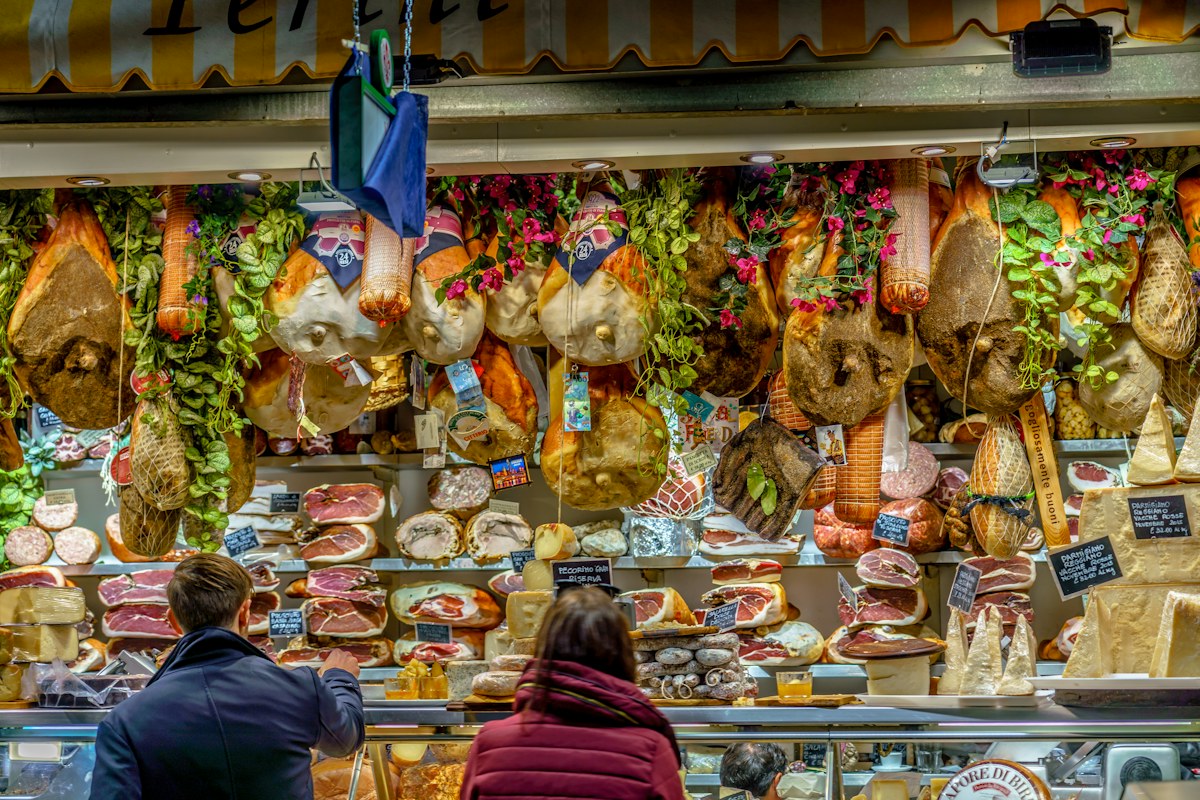
Knowing where to eat in Florence starts with knowing what to order: a thick bistecca alla fiorentina, a bowl of ribollita, a lampredotto sandwich from a street kiosk. This guide explains the dishes, the kinds of places that serve them, the city’s food markets and how to spot a good restaurant away from the tourist menus, so you can choose for yourself wherever you are staying.
The short answer: for everyday Tuscan food, look for a trattoria with a short, handwritten menu; for a quick lunch, a lampredotto kiosk or a schiacciata sandwich shop; for grazing, the first floor of the Mercato Centrale in San Lorenzo. Order the bistecca to share, by weight. For a special night, Florence has a three-Michelin-star restaurant, Enoteca Pinchiorri. Book dinner ahead on weekends.
Last updated: September 25, 2026
Where to eat in Florence at a glance
| If you want | Go to | What to order |
|---|---|---|
| A classic Tuscan dinner | A family trattoria, ideally in Santo Spirito or San Frediano | Ribollita or pappa al pomodoro, then bistecca to share |
| A fast, cheap lunch | A lampredotto kiosk or a schiacciata shop | Lampredotto sandwich, or schiacciata with cured meats |
| Variety under one roof | Mercato Centrale, first floor, in San Lorenzo | A little of everything, from pasta to Chianti |
| A local food market | Sant’Ambrogio market | Produce, cheese and a simple lunch at the market counters |
| A special occasion | A Michelin-starred restaurant | The tasting menu |
| Wine with small plates | A wine bar, or enoteca | Chianti Classico with crostini and pecorino |
The Florentine dishes to know
- Bistecca alla fiorentina: a thick T-bone steak, grilled rare and priced by weight, usually shared by two or more. Asking for it well done is not the local way.
- Ribollita: a thick bread and vegetable soup with black cabbage, best in the cooler months.
- Pappa al pomodoro: a tomato and bread soup, eaten warm or at room temperature in summer.
- Pappardelle al cinghiale: wide egg noodles with wild boar sauce.
- Lampredotto: the fourth stomach of the cow, simmered and served in a bread roll with green sauce, the city’s signature street food.
- Crostini neri: toasts with chicken liver pâté, the classic starter.
- Cantucci and Vin Santo: almond cookies dipped in sweet wine to finish.
For more dishes, read our guide to the Tuscan menu, and for the wines to pair, our guide to Tuscan wines.
Trattorias, osterias and restaurants
Deciding where to eat in Florence is easier once you know the vocabulary. A trattoria is a simple, often family-run place with home-style Tuscan cooking. An osteria was historically a tavern and today is similar in spirit, sometimes with more wine. A ristorante is usually more formal. The names are only a guide, so look at the menu and the room instead.
The Oltrarno, on the south bank of the Arno around Santo Spirito and San Frediano, is the best area to wander in the evening for traditional places away from the busiest streets. Near the Duomo and Piazza della Signoria, choose more carefully.
How to spot a good restaurant in Florence
- A short menu that changes with the season is a better sign than a long, laminated one in six languages.
- Photos of the dishes and staff calling you in from the door are warning signs.
- The bistecca price is shown per kilo or per 100 g; ask to see the steak and confirm the weight before it is cooked.
- The cover charge, coperto, is normal in Italy and must be shown on the menu.
- Local diners at 8:30 or 9 p.m. are the best recommendation of all.
- Book ahead for dinner on Friday and Saturday, especially for popular trattorias.
Street food and lunch on the go
Florentines eat lampredotto standing at kiosks, the trippai, scattered around the center. For something milder, a schiacciata, the local flat bread, is split and filled with cured meats, cheese and vegetables. It makes the easiest cheap lunch in the city.
To taste these with a guide who explains the history behind them, compare the Florence food tour.
Florence’s food markets
The Mercato Centrale, in San Lorenzo, opened in 1874 in an iron and glass hall designed by Giuseppe Mengoni, according to Italia.it, Italy’s official tourism site. The ground floor sells meat, fish, fruit and vegetables; the first floor is a food hall with counters serving Tuscan specialties and more, and it works well for groups who want different things.
The Sant’Ambrogio market, east of the center, is smaller and more local, with produce stalls and simple lunch counters. Both are good places to buy cheese, olive oil and dried porcini to take home.
Fine dining in Florence
Florence has several restaurants recognized by the MICHELIN Guide. At the top, Enoteca Pinchiorri holds three Michelin stars and is known for its wine cellar, according to the MICHELIN Guide (checked September 2026). Stars change every year, so check the current list on the MICHELIN Guide site and book well in advance.
Cook and taste it yourself
A cooking class is a good way to understand Tuscan food beyond the plate. Compare the Florence cooking class, and for wine country close to the city, the Chianti wine tour from Florence. Our list of the best tours in Florence for a first visit shows how food fits the rest of a trip.
Arriving from Rome? Our guide to the Rome to Florence train covers travel times, stations and getting from Santa Maria Novella into the center.
Where to eat in Florence: frequently asked questions
What food is Florence famous for?
Bistecca alla fiorentina, ribollita, pappa al pomodoro, pappardelle with wild boar and lampredotto, the tripe sandwich sold at street kiosks.
Where do locals eat in Florence?
Family trattorias, especially in the Oltrarno around Santo Spirito and San Frediano, and the counters of the Sant’Ambrogio market.
How is bistecca alla fiorentina sold?
By weight, usually per kilo or per 100 grams, and cooked rare. It is normally shared by two or more people.
Is the Mercato Centrale in Florence worth visiting?
Yes. The ground floor is a working food market and the first floor is a food hall with Tuscan and international counters, good for a relaxed lunch.
Do I need to book restaurants in Florence?
For dinner on weekends and at popular trattorias, yes. Lunch is usually easier.
Plan the food side of Florence
Taste Florence with a local guide
Compare food tours and cooking classes in Florence, with prices and ratings read on Viator.
Book it: experiences for this trip
Matched to this article by place and interest, then ordered by Viator rating and number of reviews (checked September 2026). Prices and availability are shown live on Viator.
Keep exploring Italy
[…] BEST RESTAURANTS IN FLORENCE ITALY – A CULINARY TOUR OF THE CITY […]