
BLOG · Italy2Love Magazine Guide
Tuscan Food: The Typical Dishes to Order in Tuscany, Course by Course (2026)
Tuscan food course by course: crostini and salumi, ribollita and pici, bistecca alla fiorentina, peposo and cacciucco, cantucci and Vin Santo, the wines to pair and where to taste them.
Tuscan food is simple country cooking built on bread, beans, olive oil, grilled meat and whatever the season brings. Many of its best-known dishes were born to use up stale bread, and a few, like the bistecca alla fiorentina, have become the reason people plan a dinner. This guide lists the typical Tuscan dishes course by course, explains what each one is and tells you where to try them.
The short answer: start with crostini toscani and a board of salumi and pecorino; for the first course, order ribollita, pappa al pomodoro, pici or pappardelle al cinghiale; for the main, the bistecca alla fiorentina to share or peposo, a peppery beef stew. On the coast, try cacciucco, the fish stew of Livorno. Finish with cantucci dipped in Vin Santo.
Last updated: September 25, 2026
Tuscan food at a glance
| Course | Dish | What it is |
|---|---|---|
| Antipasto | Crostini toscani | Toasts with chicken liver pâté |
| Antipasto | Salumi and pecorino | Tuscan prosciutto, finocchiona, lardo and sheep’s cheese |
| Primo | Ribollita | Bread, bean and black cabbage soup |
| Primo | Pappa al pomodoro | Tomato and bread soup |
| Primo | Pici | Thick hand-rolled pasta from the Siena area |
| Primo | Pappardelle al cinghiale | Wide egg pasta with wild boar sauce |
| Secondo | Bistecca alla fiorentina | Thick T-bone steak, grilled rare |
| Secondo | Peposo | Beef slow-cooked in red wine and black pepper |
| Secondo | Cacciucco | Mixed fish stew from Livorno |
| Dolce | Cantucci and Vin Santo | Almond cookies with sweet wine |
Antipasti: crostini, salumi and pecorino
A Tuscan meal usually starts with crostini toscani, slices of toasted bread spread with a coarse chicken liver pâté flavored with capers and anchovy. Alongside comes a board of cured meats: Tuscan prosciutto, saltier than the one from Parma; finocchiona, a soft salami flavored with fennel seeds; and lardo di Colonnata, pork fat cured with herbs in marble basins in the hills above Carrara.
The cheese is pecorino, made from sheep’s milk, fresh or aged. The pecorino of Pienza, in the Val d’Orcia, is the best known. Note that Tuscan bread is traditionally made without salt, which is why it pairs so well with salty salumi. For more cheeses, see our guide to Italian cheese.
Primi: the bread soups and hand-made pasta
The first courses of Tuscan food show its peasant roots. Ribollita, literally “reboiled”, is a thick soup of stale bread, cannellini beans, vegetables and cavolo nero, the black cabbage, best in fall and winter. Pappa al pomodoro is a soft tomato and bread soup with garlic and basil, and panzanella is its summer cousin: a salad of soaked bread, tomatoes, onion and basil.
For pasta, look for pici, thick hand-rolled spaghetti from the Siena area, served all’aglione with a garlicky tomato sauce or cacio e pepe. Pappardelle al cinghiale are wide ribbons of egg pasta with a slow-cooked wild boar ragù. In Florence, gnudi, also called malfatti, are dumplings of ricotta and spinach, “naked” ravioli without the pasta.
Secondi: bistecca, peposo and cacciucco
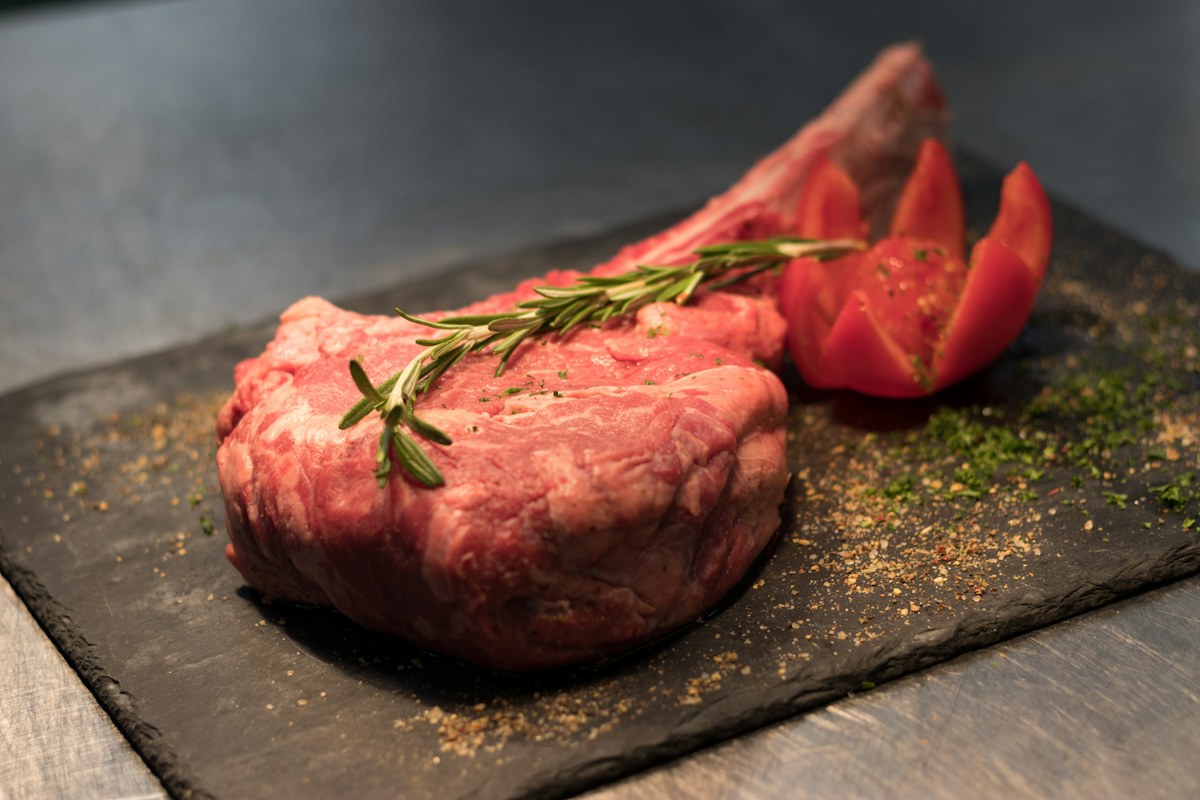
The star of the Tuscan table is the bistecca alla fiorentina, a T-bone steak cut several fingers thick, grilled over embers, salted at the end and served rare. It is priced by weight and meant to be shared. The most prized versions come from Chianina cattle, a white breed from the Val di Chiana. Our guide on where to eat in Florence explains how to order it without surprises.
Peposo is a stew of beef cooked for hours in red wine with plenty of black pepper, traditionally linked to the kilns of Impruneta, south of Florence. Other classics include roast pork loin, arista, and, in Florence, trippa alla fiorentina, tripe in tomato sauce. On the coast, cacciucco from Livorno is a rich fish and seafood stew poured over garlic toast.
Dolci: cantucci, Vin Santo and seasonal sweets
The classic Tuscan dessert is a plate of cantucci, twice-baked almond cookies, dipped in Vin Santo, an amber dessert wine. Siena has its own sweets: panforte, a dense cake of nuts, honey and spices, and ricciarelli, soft almond cookies, both traditional at Christmas. In fall, look for castagnaccio, a flat chestnut-flour cake with rosemary and pine nuts. Our guide to Italian pastries covers sweets from other regions.
Tuscan wines to pair with the menu
Most Tuscan food calls for a red based on the Sangiovese grape: Chianti Classico with salumi and pasta, Brunello di Montalcino or Vino Nobile di Montepulciano with the bistecca and peposo. With cacciucco, locals often drink a young red too, though a white Vermentino from the coast works well. Our guide to Tuscan wines explains each one.
Where to taste Tuscan food
- In a trattoria. Family-run places with a short, seasonal menu serve most of these dishes; book dinner on weekends.
- On a food tour. The Florence food tour covers lampredotto, salumi and market stalls.
- At a cooking class. The Florence cooking class usually includes fresh pasta.
- In wine country. Many estates serve lunch with their wines on the Chianti wine tour from Florence and the Montalcino Brunello wine tour.
- With a truffle hunt. In fall, the truffle hunting experience in Tuscany ends with a truffle lunch.
For the region itself, see our Tuscany travel guide.
To pair these dishes with local wine, see our guide to Montepulciano wine tours, with Vino Nobile and how tastings work.
To eat the way Italians do at home, read about Sunday lunch in Italy, the long family meal, and the Mediterranean diet.
Tuscan food: frequently asked questions
What is the most famous Tuscan dish?
The bistecca alla fiorentina, a thick T-bone steak grilled rare and shared by the table. Ribollita, the bread and bean soup, is a close second.
What is a typical Tuscan meal?
Crostini and salumi to start, a soup or pasta such as ribollita or pici, a meat main such as bistecca or peposo, and cantucci with Vin Santo to finish.
Why is Tuscan bread unsalted?
It is a long tradition; the unsalted bread balances the salty cured meats and cheeses and is the base of soups like ribollita and pappa al pomodoro.
What are pici?
Thick, hand-rolled spaghetti from the Siena area, often served with garlic and tomato sauce or with pecorino and black pepper.
What wine goes with Tuscan food?
Sangiovese-based reds: Chianti Classico with pasta and salumi, Brunello di Montalcino or Vino Nobile di Montepulciano with grilled and stewed meat.
Plan the food side of Tuscany
Taste Tuscany with a local guide
Compare food tours, cooking classes and wine tours in Tuscany, with prices and ratings read on Viator.
Book it: experiences for this trip
Matched to this article by place and interest, then ordered by Viator rating and number of reviews (checked September 2026). Prices and availability are shown live on Viator.
Keep exploring Italy