
BLOG · Italy2Love Magazine Guide
Slow Travel in Tuscany: Choose One Base, Travel Less
Slow travel in Tuscany means fewer bases, deeper experiences and time for local life. Compare the best areas, transport choices and a realistic seven-day plan.
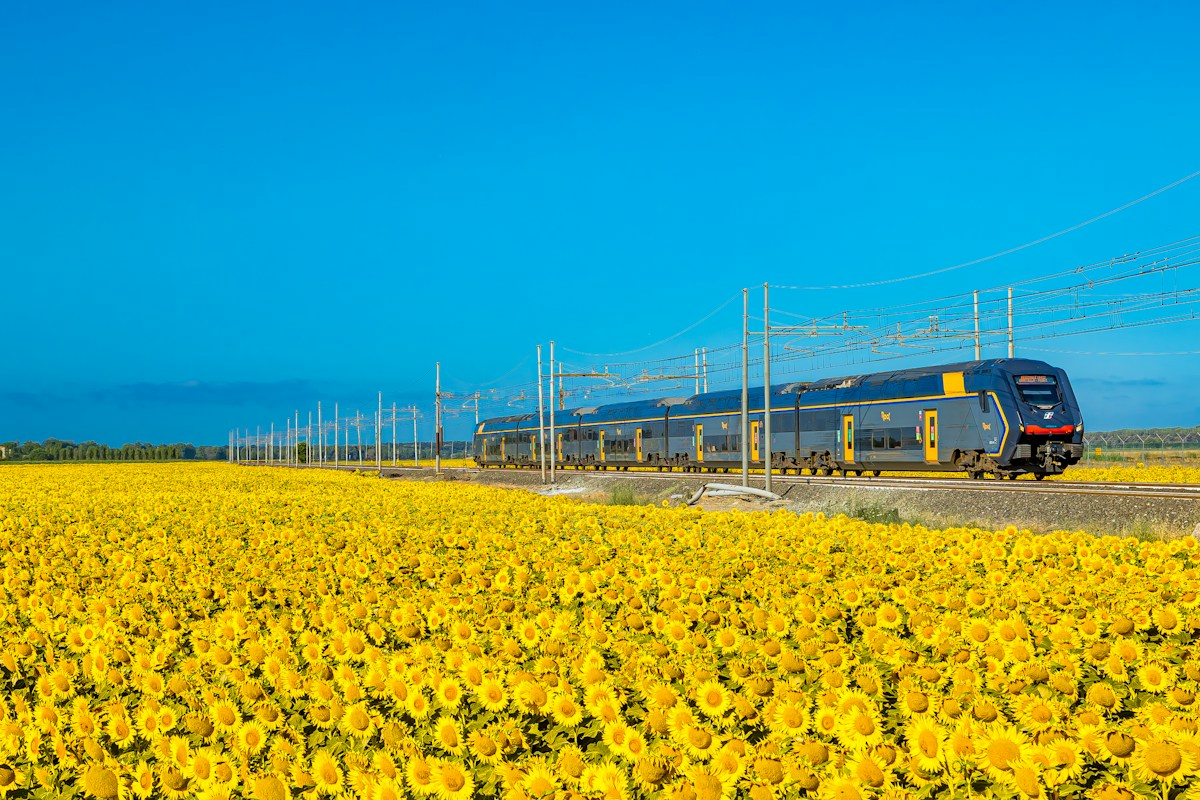
Slow travel in Tuscany starts by resisting the region’s most common mistake: treating Florence, Siena, Pisa, Lucca, San Gimignano, Chianti and the Val d’Orcia as boxes to tick in one hurried loop. Tuscany becomes more rewarding when you choose one city base, one countryside base and enough empty time to let meals, walks and conversations become part of the trip.
The short answer: give Tuscany at least seven days, use no more than two bases and plan one anchor experience per day. Spend two or three nights in Florence or Siena, then four or five nights in an agriturismo in Chianti, the Val d’Orcia, the Crete Senesi or the Maremma. Use trains for the cities and rent a car—or book one guided day—for the rural half.
Slow travel in Tuscany at a glance
| Area | Best base | Ideal pace | Car? | Choose it for |
|---|---|---|---|---|
| Siena and the Crete Senesi | Siena or an agriturismo south of the city | 3–4 nights | Helpful outside Siena | Art, markets, quiet roads and easy Val d’Orcia access |
| Val d’Orcia | San Quirico, Pienza or countryside nearby | 3–5 nights | Yes, or a driver | Landscapes, walking, thermal water and long lunches |
| Chianti | Panzano, Greve, Radda or a wine estate | 3–4 nights | Yes; do not drive after tastings | Wine, olive oil and village life |
| Lucca and Garfagnana | Lucca, Barga or Castelnuovo | 3–5 nights | Mixed | Walls, mountains, trails and a less polished Tuscany |
| Maremma | Grosseto area, Pitigliano or the coast | 4–6 nights | Yes | Wild landscapes, Etruscan towns, food and sea |
| Florence | Historic center or near a tram/train stop | 2–3 nights | No | Renaissance art and rail connections before the countryside |
This page is the regional expression of our wider Slowxury approach to Italy. It explains how to shape the rhythm and experiences of the trip. For a day-by-day choice between five, seven and ten days, with transfers and bases, use our separate Tuscany itinerary. The two pages have deliberately different jobs.
What slow travel in Tuscany actually means
Slow travel is not simply staying longer. You can spend ten days rushing through ten Tuscan towns and still miss the point. A slower trip creates depth through repetition: buying breakfast from the same bar, returning to a village after the day-trippers leave, learning what is harvested that week and allowing one local recommendation to change tomorrow’s plan.
In Tuscany, that usually means five practical decisions:
- Use two bases at most in one week. Changing accommodation consumes the middle of a day even when the drive looks short.
- Plan one non-negotiable activity per day. A museum, a vineyard, a walk or a cooking class is enough; everything else can remain optional.
- Stay somewhere connected to the land. A real agriturismo, small hotel or town apartment changes how you spend mornings and evenings.
- Travel at local scale. Pair places that share a landscape instead of crossing the region for famous names.
- Protect unstructured time. Keep at least two half-days free in a seven-day trip.
Choose one Tuscany, not every Tuscany
Tuscany is a region, not a single countryside. The vineyards of Chianti, the pale clay of the Crete Senesi, the cypress-lined Val d’Orcia, the forested Garfagnana and the coastal Maremma create different trips. Start with the landscape and daily rhythm you want, then select a base.
Siena and the Crete Senesi: the best balanced base
Siena is the strongest bridge between art city and countryside. You can spend a morning in the cathedral complex, return to the Campo for the evening passeggiata and use a car or a driver for the hills south of the city. Nearby Buonconvento, Asciano and the abbey at Monte Oliveto Maggiore give the landscape texture without forcing a long route.
Choose Siena if one traveler wants museums and restaurants while another wants roads, farms and photography. Stay inside the walls for a car-free city experience or outside town for quiet mornings and easier parking—not both on alternate nights.
Val d’Orcia: the classic slow Tuscany
The Val d’Orcia is the Tuscany many travelers imagine: broad cultivated hills, cypress trees, stone farmhouses and compact towns. Pienza works for evening walks and food shops; San Quirico d’Orcia sits well for short drives; Bagno Vignoni adds thermal water; Montalcino is the wine-focused choice.
Distances look small on a map, but the roads invite stops and the villages deserve more than an hour. Pick two towns in a day, not five. The official Visit Tuscany route through the Val d’Orcia links Buonconvento, San Quirico, Bagno Vignoni and Castiglione d’Orcia; use it as a menu, not a race.
Chianti: wine country with a logistical catch
Chianti rewards a fixed base and short loops. Greve has useful services, Panzano is compact and food-focused, while Radda places you deeper among small roads and estates. The catch is transport: wineries are dispersed, public buses are limited for tasting itineraries and the driver should not be the person drinking.
For one tasting day, a guided small-group trip can be more responsible and relaxing than driving. Italy2Love’s assessed Tuscany day trip from Florence is useful for travelers with no countryside nights; if you stay in Chianti, book fewer estates and ask your accommodation for a local driver instead.
Lucca and Garfagnana: slower and greener
Lucca offers an easy transition from city to landscape. Cycle or walk the walls, stay for dinner after day visitors leave, then move north into the Serchio Valley and Garfagnana. Barga, Castelnuovo and mountain villages feel less staged than the famous wine corridors, and the forests make this the better choice in warm weather.
This is also one of the more flexible areas without a car: Lucca is on the railway, and the regional line up the valley reaches several towns. A car still helps for trailheads and remote stays, but it does not need to define every day.
Maremma: for return visitors and real distance
Southern coastal Tuscany feels wider and wilder. The Maremma combines farms, Etruscan hill towns, hot springs, nature reserves and the Tyrrhenian coast. Pitigliano, Sovana and Sorano form one inland cluster; Grosseto and the coast form another. Trying to cover both every day defeats the purpose.
Choose the Maremma if Florence is not the main event and if you are comfortable driving. Four or five nights let you alternate a village, a beach or reserve, and an unplanned day near your accommodation.
A realistic 7-day slow travel Tuscany plan
This example uses Siena and the Val d’Orcia because they create depth without excessive driving. It is not a replacement for the full itinerary owner; it shows what the slow-travel principles look like in practice.
| Day | Base | One anchor | Leave open |
|---|---|---|---|
| 1 | Siena | Arrive, check in and walk the Campo at dusk | Dinner without a reservation if possible |
| 2 | Siena | Cathedral complex or civic museum | Afternoon neighborhood walk |
| 3 | Siena | Market, cooking class or artisan workshop | Return early; no second town |
| 4 | Val d’Orcia | Collect car and move via Buonconvento | Settle into the agriturismo |
| 5 | Val d’Orcia | Pienza and one nearby walk | Long lunch and quiet evening |
| 6 | Val d’Orcia | Winery, olive mill or thermal stop | Choose the second half of the day locally |
| 7 | Val d’Orcia | San Quirico or a Via Francigena section | Final meal near the base |
With ten days, add Lucca before Siena or three nights in the Maremma after the Val d’Orcia. Do not add both. With five days, keep Florence or Siena as the city base and choose one countryside experience rather than changing hotels twice.
Walk a section of the Via Francigena
Walking changes the scale of Tuscany more effectively than any slogan about “living like a local.” The Tuscan Via Francigena runs for almost 400 kilometers across 16 stages, from the Cisa Pass through Lucca, San Miniato, San Gimignano, Siena and the Val d’Orcia toward Lazio, according to the official Via Francigena in Tuscany guide.
You do not need to become a pilgrim for a week. Walk one signed section, arrange a luggage transfer for a longer stage or make a short out-and-back from San Quirico, Monteriggioni or another town on the route. Check distance, ascent, water and transport before setting out; a 20-kilometer stage is a real hiking day, not a casual village stroll.
Stay in an agriturismo—but choose a real one
An agriturismo can be the center of slow travel in Tuscany: breakfast from the farm, evening light over the fields and direct contact with the people working the land. It can also be an isolated room that forces two hours of driving every day. Authenticity and convenience are separate questions.
Before booking, ask what the farm produces, whether dinner is served, how often, which experiences require advance notice and how far the nearest town is after dark. Our guide to choosing an authentic agriturismo in Italy explains the legal idea and the practical checks. Then compare specific bases in our guide to where to stay in the Tuscan countryside.
Experiences worth paying for
Slow travel is not anti-booking. It is anti-random booking. Pay when access, skill or transport makes the experience deeper than a self-guided visit.
- A farm or olive-mill visit: choose a producer-led tasting, especially around the fall harvest. Our olive oil tours in Italy guide explains season, regions and what a useful tasting should include.
- An artisan workshop: ceramics, leather, marbling or another hands-on craft gives context that a shop visit cannot. See our guide to art workshops in Italy.
- A cooking class in a real kitchen: check group size, what you actually prepare and whether transport is included.
- A wine day with a driver: worthwhile in Chianti or around Montalcino when everyone wants to taste.
- A heritage railway date: Treno Natura can connect the Crete Senesi landscape with a village event. Our guide to scenic train journeys in Italy explains why the calendar must come first.
Car or no car for slow travel in Tuscany?
A car does not automatically make a trip slower; it can remove stressful connections and open rural mornings. The problem is using it inside cities or turning every day into a circuit.
Affiliate links: if you book through them, Italy2Love earns a commission at no extra cost to you.
Planning a few nights in the countryside? Compare car rentals in Florence on Expedia, and collect your car when you’re ready to leave the city for Chianti or the Val d’Orcia. Check the pick-up location, rental terms and your travel dates before booking.
Affiliate link: Italy2Love may earn a commission if you book through this link.
- No car: combine Florence, Lucca, Pisa and Siena, then add one guided countryside day. Stay near stations and avoid isolated rural properties.
- Car for half the trip: the best compromise. Explore the city first, collect the car only when leaving, then return it before the next major city.
- Car for the whole trip: useful for the Maremma, Val d’Orcia or Garfagnana, but choose accommodation with parking and understand ZTL restricted zones.
If wine tasting is central, arrange a driver, a tour or a tasting at your accommodation. Convenience is part of responsible slow travel.
The best time for slow travel in Tuscany
Late April to June offers green landscapes, long daylight and comfortable walking, although famous towns are already busy. September and October bring harvest energy, olive oil and richer colors, with strong demand for desirable agriturismi. November through March is quiet and atmospheric in cities, but some rural restaurants, wineries and accommodations reduce their hours. July and August require early starts, a pool or shaded base and fewer midday plans.
The best month is therefore the one that fits your priority: May for walking, September for wine-country energy, late October and November for olive harvest, or winter for uncrowded art cities. Verify seasonal openings before booking a remote stay.
What breaks a slow Tuscany trip
- Sleeping in a new place every night. Tuscany’s roads are slower than they look and check-in time fragments the day.
- Booking famous towns at midday only. Arrive early, stay through evening or sleep nearby.
- Choosing an isolated villa without checking dinner. A beautiful view loses charm when every meal requires a dark drive.
- Scheduling two tastings and a hill town. One producer visit plus one meal is a full countryside day.
- Using Florence as a base for everything. It works for rail trips and guided days, not for repeated independent drives into the Val d’Orcia.
- Confusing empty time with wasted time. The unplanned afternoon is often the part that makes the trip personal.
Keep planning: La Cisterna in San Gimignano.
Frequently asked questions
How many days do you need for slow travel in Tuscany?
Seven days is a useful minimum for one city base and one countryside base. Ten days allows a third area such as Lucca or the Maremma without constant packing. With five days, use one base and add only one substantial day trip.
Where is the best base for slow travel in Tuscany?
Siena is the best balanced base for art, restaurants and access to the countryside. For landscape and quiet, choose San Quirico d’Orcia, Pienza or an agriturismo in the Val d’Orcia. Lucca is better for a car-light northern Tuscany trip.
Can you slow travel in Tuscany without a car?
Yes, if you choose connected places such as Florence, Lucca, Pisa and Siena and use one guided day for rural Tuscany. The Val d’Orcia, Chianti and Maremma are much easier with a car or driver.
Is an agriturismo essential?
No. A town apartment or small hotel can support slow travel when it lets you walk to meals and local life. An agriturismo is valuable when the farm and landscape are part of the stay, not simply because the property uses the label.
Which part of Tuscany is least crowded?
Garfagnana, Lunigiana and parts of the Maremma generally receive fewer international visitors than Florence, San Gimignano and the central Val d’Orcia. “Less crowded” still depends on weekends, festivals and the season, so avoid treating any village as undiscovered.
Editorial check: destination guidance and official walking-route information reviewed in October 2026. Seasonal openings, transport and experience availability can change; confirm directly before travel.
Book it: experiences for this trip
Matched to this article by place and interest, then ordered by Viator rating and number of reviews (checked September 2026). Prices and availability are shown live on Viator.
Keep exploring Italy