
Where to Stay · Italy2Love Magazine Guide
Where to Stay in Tuscany Countryside: Best Areas and What an Agriturismo Is (2026)
Where to stay in Tuscany countryside: Chianti, the Val d’Orcia, Montepulciano, San Gimignano, the Maremma and the Lucca hills compared, plus what an agriturismo really is and tips for your stay.
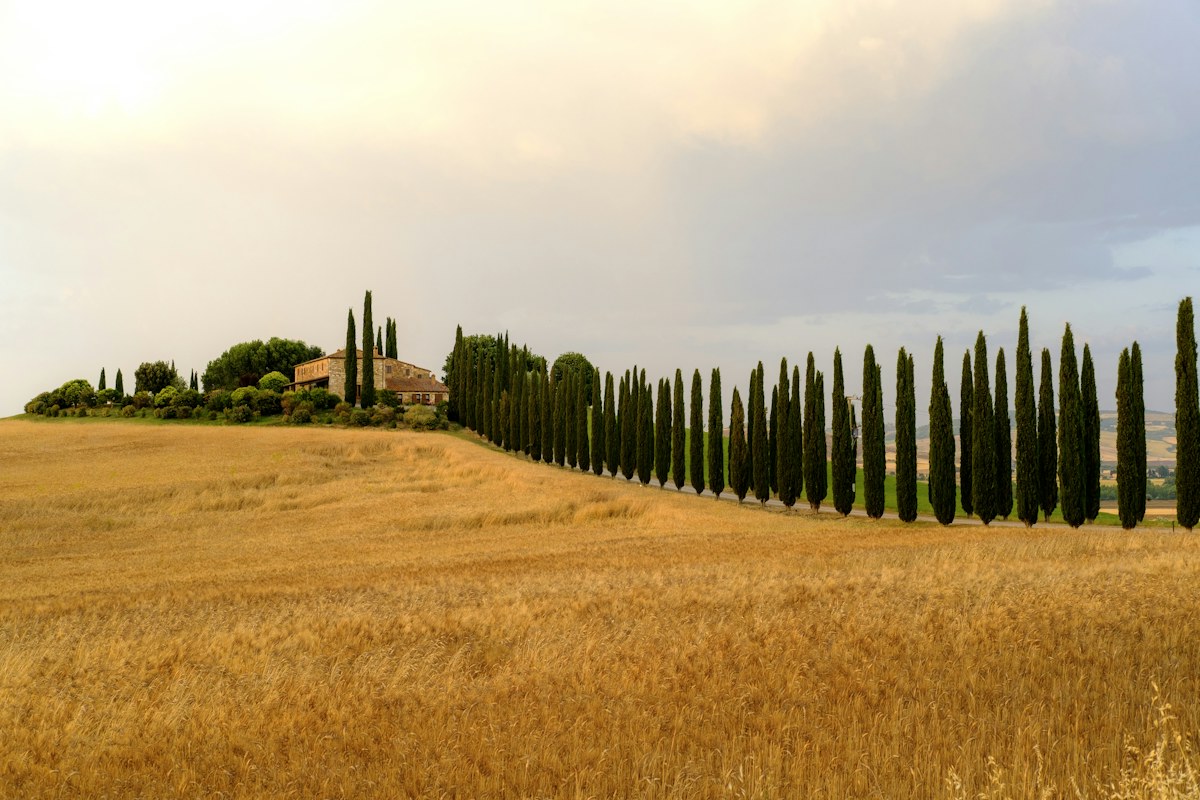
Choosing where to stay in Tuscany countryside areas comes down to one trade-off. Either you want easy access to Florence and Siena, or quieter landscapes farther south. This guide compares the main rural areas, explains what an agriturismo is and helps you pick a base. It names areas, not hotels, so you can search with the right map in mind. For the national definition, authenticity signals and booking checklist, read our guide to choosing an agriturismo in Italy.
The short answer: on a first trip, stay in Chianti, between Florence and Siena. As a result, both cities are short drives away. For the classic postcard views, choose the Val d’Orcia near Pienza and Montalcino. For towers and easy access to Pisa, try the area around San Gimignano and Volterra. In addition, the Maremma adds beaches and hot springs. Wherever you go, consider an agriturismo, a working farm with rooms, and plan to rent a car.
Last updated: October 6, 2026
Where to stay in Tuscany countryside: the areas at a glance
| Area | Best for | Towns to base near | Position |
|---|---|---|---|
| Chianti | First trips, wine, Florence and Siena | Greve, Radda, Castellina, Gaiole | Central |
| Val d’Orcia | Iconic landscapes, Brunello wine | Pienza, Montalcino, San Quirico d’Orcia | Southern, farther from Florence |
| Montepulciano and Crete Senesi | Vino Nobile, clay hills | Montepulciano, Asciano | Southern |
| San Gimignano and Volterra | Medieval towns, Pisa access | San Gimignano, Volterra, Colle di Val d’Elsa | West-central |
| Maremma | Coast, hot springs, nature park | Saturnia area, Massa Marittima | Far south-west |
| Lucca hills and Garfagnana | Villas, mountains, fewer crowds | Around Lucca, Barga | North-west |
What is an agriturismo?
First of all, an agriturismo is not simply a country hotel. Under Italy’s national law on agritourism, Law 96 of 2006, farmers offer hospitality as part of a working farm. So the farm, with its vines, olives or animals, must come first. In addition, a Tuscan regional law of 2003 adds local rules. According to the Tuscany Region (checked September 2026), the region checks the “primacy” of farming over tourism.
In practice, an agriturismo can be a few rooms in a farmhouse or a group of apartments around a pool. For example, some serve dinner with their own wine, oil and produce. By contrast, others offer only rooms. As a result, the experience varies a lot, so read the description closely. In particular, look for what the farm produces, whether meals are available and how far the nearest village is.
By contrast, a villa rental gives you a whole house, usually by the week. Meanwhile, a country hotel or restored hamlet, a borgo, offers more services but less farm life.
Chianti: the easiest first choice
For most first-time visitors, Chianti is the answer to where to stay in Tuscany countryside. According to the Chianti Classico consortium (checked September 2026), the wine zone covers 71,800 hectares between Florence and Siena. In fact, it includes all of Castellina, Gaiole, Greve and Radda in Chianti, plus parts of four other towns.
Choose the northern part, around Greve, if you plan several days in Florence. Alternatively, choose the south, around Castellina or Gaiole, to be closer to Siena. For tastings, see the Chianti wine tour from Florence or the Chianti e-bike tour.
Affiliate links: if you book through them, Italy2Love earns a commission at no extra cost to you.
Val d’Orcia, Montepulciano and the Crete Senesi
South of Siena, the Val d’Orcia is the Tuscany of cypress lines and lone farmhouses. According to UNESCO (checked September 2026), it became a World Heritage Site in 2004 as a Renaissance agricultural landscape. Its towns also include Pienza, Montalcino and San Quirico d’Orcia.
Nearby, Montepulciano makes Vino Nobile. Meanwhile, the bare clay hills of the Crete Senesi roll around Asciano. Overall, this area suits a longer, slower stay. However, Florence is a long day trip from here. For wine, consider the Montalcino Brunello wine tour, and read our guide to Tuscan wines.
San Gimignano, Volterra and the west
West of Chianti, the hills around San Gimignano and Volterra mix vineyards, towers and Etruscan history. As a result, this area works well if you also want to see Pisa or Lucca. Also, San Gimignano is very busy by day. So staying nearby lets you see it in the evening, after the tour buses leave.
Maremma, Lucca and the quieter corners
The Maremma, in the far south-west, is wilder: coast, pine woods, a natural park and the hot springs around Saturnia. So it suits travelers who want beaches and nature more than art cities. For the springs, see our guide to hot springs in Italy.
To the north-west, the hills around Lucca and the mountain valley of the Garfagnana see fewer visitors. Similarly, they make a good base for Lucca, Pisa and the coast; see our guide to things to do in Lucca.
Tips for your countryside stay in Tuscany
Once you know where to stay in Tuscany countryside areas, a few practical points make the stay easier.
- Rent a car. Buses between villages are few. Before you go, read our guides to driving in Italy and car rental in Italy. Also, watch for limited traffic zones in town centers.
- Check the last mile. Many farms sit on unpaved strade bianche, white gravel roads. They are usually fine by car, but also slow.
- Ask about meals. If the farm serves dinner, book it in advance. Otherwise, plan a short drive to the nearest village.
- Go in fall. The grape harvest runs in September and October, and the new olive oil arrives in November. Also, the heat has passed.
For experiences on the farm and in the fields, compare truffle hunting in Tuscany and horseback riding in Tuscany. For food, see our guide to Tuscan food, and for the whole region, our Tuscany travel guide.
Staying in southern Tuscany? Our guide to Montepulciano wine tours covers Vino Nobile, guided vs. self-drive and pairing a visit with Pienza.
To link these areas into a route, see our Tuscany itinerary for five, seven or ten days.
Farm stays pay a local city tax too, set by each town; our Italy tourist tax guide explains how it works.
Where to stay in Tuscany countryside: frequently asked questions
What is the best area to stay in the Tuscan countryside?
It depends on your plans. Chianti is the easiest first choice for Florence and Siena. The Val d’Orcia suits a slower stay with iconic landscapes, and the Maremma adds the coast.
What is an agriturismo in Tuscany?
It is accommodation offered by farmers on a working farm. Under Italian and Tuscan law, farming must remain the main activity. As a result, the rooms and meals depend on the farm.
Do you need a car to stay in the Tuscan countryside?
In practice, yes. Rural buses are infrequent, and many farms sit on gravel roads away from the villages.
Is Chianti or the Val d’Orcia better for a first trip?
Chianti is better if you want to visit Florence and Siena. The Val d’Orcia is better if landscapes matter more than city visits.
When is the best time to stay in the Tuscan countryside?
Spring and fall. The grape harvest runs in September and October, and the new olive oil arrives in November.
Keep planning: Italian Countryside Villas, Castello Vicchiomaggio in Greve in Chianti and Hotel La Terrazza di Montepulciano in Montepulciano.
Planning the rest of Italy? Our guide to where to stay in Italy sorts the main bases by city, countryside and lakes. For other farm and wine country, compare where to stay in the Langhe and a masseria or a trullo in Puglia.
Plan your Tuscany trip
Make the most of the Tuscan countryside
Compare wine tours, truffle hunts and countryside experiences in Tuscany, with prices and ratings read on Viator.
Book it: experiences for this trip
Matched to this article by place and interest, then ordered by Viator rating and number of reviews (checked September 2026). Prices and availability are shown live on Viator.
Keep exploring Italy