
BLOG · Italy2Love Magazine Guide
Pizza in Italy: Neapolitan, Roman and Regional Styles, and How to Order (2026)
Pizza in Italy explained: Neapolitan and Roman styles, pizza al taglio, sfincione and focaccia, the classic toppings, how Italians order and eat pizza, and where to take a pizza class.
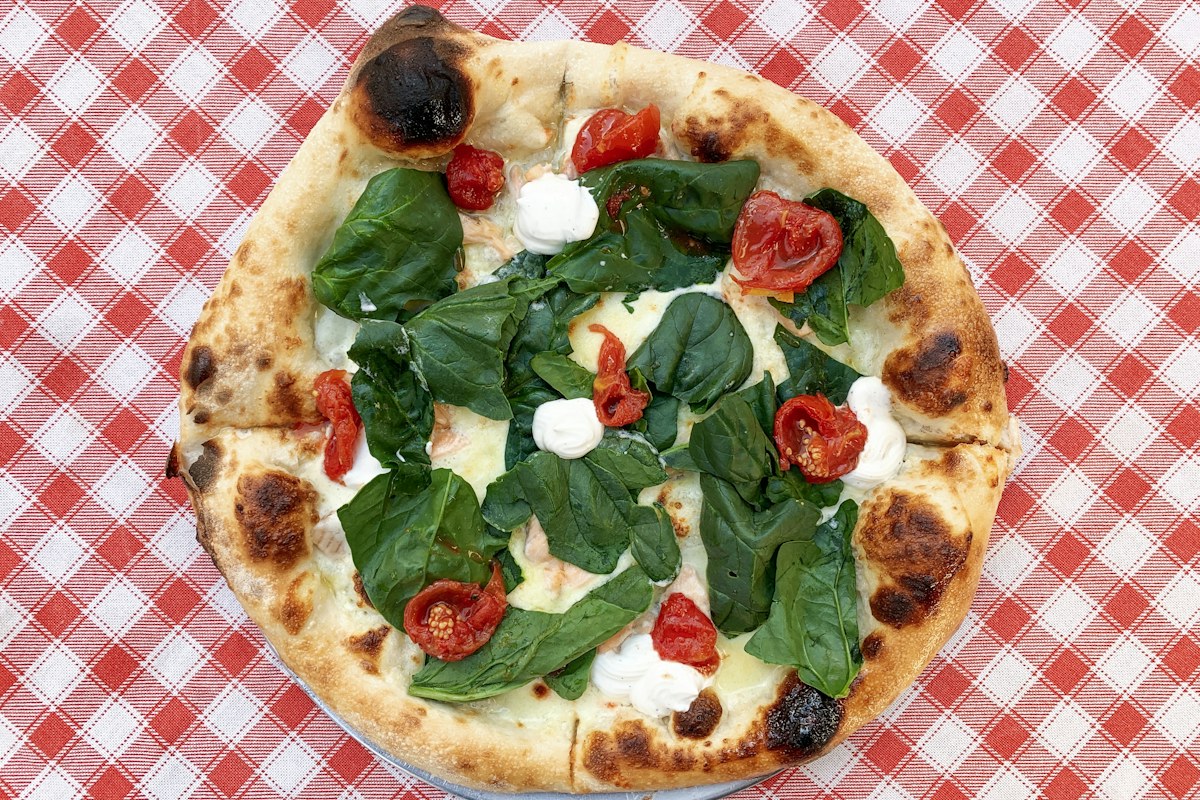
Pizza in Italy is not one dish but several: the soft, puffy Neapolitan pizza, the thin and crisp Roman one, pizza sold by the slice, and the thick, spongy sfincione of Palermo. In this guide, you will find the main styles, the classic toppings, how Italians order and eat pizza, and where to learn to make it yourself.
The short answer: in Naples, order a Margherita or a Marinara in a wood-fired pizzeria, one whole pizza per person, eaten with a knife and fork. In Rome, by contrast, try the thin pizza tonda in the evening and pizza al taglio, sold by weight, at lunch. In addition, Neapolitan pizza is an EU Traditional Speciality Guaranteed, and the art of the Neapolitan pizza maker is on UNESCO’s intangible heritage list since 2017.
Last updated: September 25, 2026
Pizza in Italy at a glance
| Style | Where | What it is like | When to eat it |
|---|---|---|---|
| Pizza napoletana | Naples and Campania | Soft, with a puffy, charred rim | Lunch or dinner, one per person |
| Pizza tonda romana | Rome | Very thin and crisp | Dinner |
| Pizza al taglio | Rome and many cities | Baked in trays, sold by weight | Lunch or a snack |
| Pizza fritta | Naples | Folded and deep-fried | Street food |
| Sfincione | Palermo | Thick and spongy, with tomato, onion and breadcrumbs | Street food |
| Focaccia | Liguria and across Italy | Flat bread with olive oil | Breakfast or a snack |
Neapolitan pizza: the original
Naples is where modern pizza took shape, and the law now protects its version. In 2010, the European Union registered Pizza Napoletana as a Traditional Speciality Guaranteed (Regulation (EU) No 97/2010), and in 2017 UNESCO added the art of the Neapolitan pizza maker, the pizzaiuolo, to its list of intangible cultural heritage. As a result, pizza in Italy has a legally defined original.
A true Neapolitan pizza uses a simple dough of flour, water, salt and yeast, stretched by hand and baked for about a minute in a very hot wood-fired oven. As a result, it is soft and slightly wet in the center, with a tall, blistered edge, the cornicione. For this reason, eat it straight away.
Two pizzas define the style. First, the Marinara has tomato, garlic, oregano and olive oil, and no cheese. Second, the Margherita has tomato, mozzarella and basil; according to tradition, it takes its name from Queen Margherita of Savoy in the late 19th century. To try your hand at it, compare the Naples pizza making class, and for the street versions, the Naples street food tour.
Roman pizza: thin and crisp, or by the slice
Rome has two pizza traditions. In the evening, pizzerias serve pizza tonda, rolled very thin and baked until crisp, often at noisy tables with fried starters such as supplì, rice croquettes filled with mozzarella. During the day, however, bakeries sell pizza al taglio, baked in long trays, cut with scissors and priced by weight. Then you point to the piece you want and say how big.
A third Roman favorite is pizza bianca, a plain white pizza brushed with oil and salt, often split and filled with mortadella. Finally, for a guided tasting, see our list of the best food tours in Rome and the Trastevere food tour.
Pizza across the rest of Italy
In Sicily, sfincione from Palermo is thick and airy, topped with tomato, onions, anchovies and breadcrumbs; the Palermo street food tour usually includes it. Further north, in Liguria, focaccia is the everyday bread, and the thin, cheese-filled focaccia di Recco is a local specialty. Meanwhile, Puglia bakes focaccia barese with cherry tomatoes and olives, a staple of the Bari street food tour.
Classic toppings to know
- Margherita: tomato, mozzarella or fior di latte, basil.
- Marinara: tomato, garlic, oregano, olive oil, no cheese.
- Diavola: tomato, mozzarella and spicy salami, the closest thing to American pepperoni.
- Capricciosa: ham, mushrooms, artichokes and olives.
- Quattro formaggi: four cheeses, usually without tomato.
- Bufala: a Margherita made with buffalo mozzarella, often added after baking.
Note, however, that peperoni in Italian means bell peppers, not salami. For the cheeses, see our guide to Italian cheese.
How to order and eat pizza in Italy
- One pizza each. Italians rarely share a pizza; each person orders their own.
- Knife and fork, or fold it. A Neapolitan pizza is usually cut with a knife and fork at the table; folding a slice a portafoglio, like a wallet, is common in Naples too.
- Pizza is mostly a dinner dish. Many pizzerias with wood-fired ovens open only in the evening, while bakeries sell pizza al taglio during the day.
- Drinks. Beer and soft drinks are the usual match; wine is fine, cappuccino is not.
- Book on weekends. Popular pizzerias fill up fast on Friday and Saturday nights.
Learn to make pizza in Italy
Learning to make pizza in Italy is one of the most popular hands-on experiences for travelers. Naturally, Naples is the obvious place to learn, but Rome, Florence and the Amalfi Coast also run classes. To choose, compare the options on our cooking classes in Italy page, including the Naples pizza making class and the Sorrento cooking class.
Want to order like a local? Our basic Italian phrases guide covers the words you will use most, with pronunciation.
Pizza in Italy: frequently asked questions
Where is the best pizza in Italy?
Naples is the home of pizza and the reference for the Neapolitan style. Rome is known for thin, crisp pizza and pizza al taglio.
What is the difference between Neapolitan and Roman pizza?
Neapolitan pizza is soft, with a tall, puffy rim, baked for about a minute in a very hot wood-fired oven. Roman pizza tonda is rolled thin and baked until crisp.
Do Italians share pizza?
Rarely. In a pizzeria, each person usually orders a whole pizza.
Is Neapolitan pizza protected?
Yes. Pizza Napoletana is an EU Traditional Speciality Guaranteed since 2010, and UNESCO listed the art of the Neapolitan pizza maker in 2017.
Can I take a pizza making class in Italy?
Yes. Naples, Rome, Florence and Sorrento all offer pizza classes that you can book in advance.
Plan the food side of your trip
Eat pizza where it was born
Compare pizza classes, cooking classes and food tours in Naples, Rome and beyond, with prices and ratings read on Viator.
Book it: experiences for this trip
Matched to this article by place and interest, then ordered by Viator rating and number of reviews (checked September 2026). Prices and availability are shown live on Viator.
Keep exploring Italy