
BLOG · Italy2Love Magazine Guide
Olive Oil Tours in Italy: Regions, Harvest and Tastings
Olive oil tours in Italy compared by region, season and format. Choose Tuscany, Umbria, Puglia, Sicily or Sorrento and know what to book.
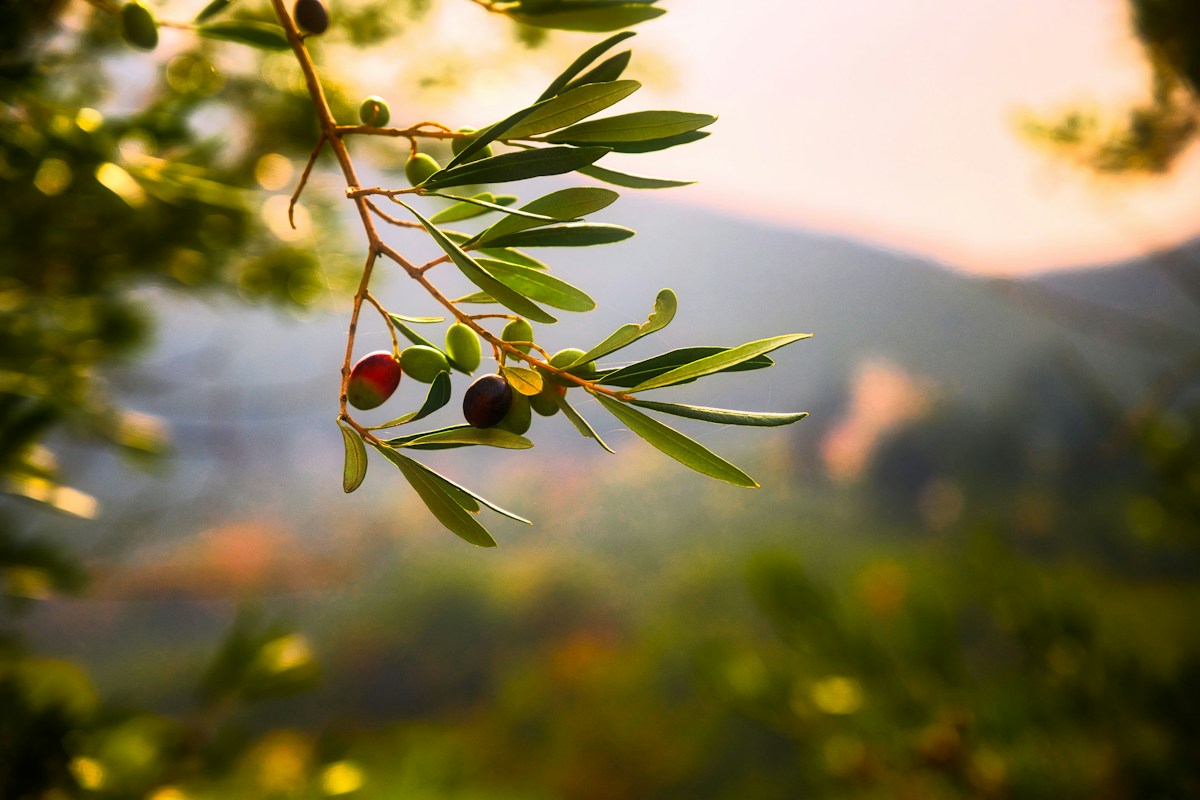
Olive oil tours in Italy are most rewarding when the visit includes three things: an olive grove, a working mill and a guided tasting that teaches you how to recognize fruitiness, bitterness, pungency and defects. Choose Tuscany for easy wine-and-oil combinations, Umbria for an oil-first rural trip, Puglia for monumental olive landscapes, Sicily for farm-to-table experiences, or Sorrento and Liguria for a shorter regional detour.
Quick answer: travel between October and early December if seeing the harvest and fresh pressing matters most, but confirm the dates directly with the producer because timing changes by region, weather and cultivar. For the rest of the year, book a mill visit and comparative tasting rather than a generic “farm stop.” Most countryside producers require a car; a tour with transport is the safer choice if wine is included.
Some links on this page are affiliate links. If you book through them, Italy2Love may earn a commission at no extra cost to you. We include an experience only when it fits the trip described.
Olive oil tours in Italy: choose your region first
| Region | Best for | Good bases | Transport reality |
|---|---|---|---|
| Tuscany | First trip, wine-and-oil days, polished estates | Florence, Siena, Montalcino, Lucca | Choose a transfer from Florence or drive |
| Umbria | Oil-first visits, small mills, hill towns | Perugia, Assisi, Spoleto, Montefalco | A car opens the best rural options |
| Puglia | Ancient olive landscapes, masserie, underground mills | Ostuni, Fasano, Monopoli, Valle d’Itria | A car is usually essential |
| Sicily | Farm lunches and grove-to-table experiences | Palermo area, southeast Sicily, Agrigento area | Check pickup or plan a rental car |
| Liguria, Garda and Sorrento | A focused tasting added to a wider trip | Western Liguria, Lake Garda, Sorrento | Highly dependent on the exact producer |
Do not select only by the name of the region. Decide whether you want production knowledge, a scenic outing, a harvest activity or a leisurely meal. The right format matters more than a famous address.
What counts as a genuine olive oil tour?
Italy formally recognizes oleoturismo, or olive-oil tourism. The national framework covers educational activities about local olive production, guided visits to groves and mills, cultural or recreational activities—including demonstration harvesting—and tastings or sales of the producer’s oil. The distinction is useful: a serious visit connects the landscape, extraction process and finished oil instead of offering a few flavored oils in a shop.
The strongest experiences normally include:
- a walk through the grove, with the cultivar and harvest method explained;
- a visit to an operating or historic mill;
- a clear explanation of crushing, malaxation, separation and storage;
- a guided tasting of at least two oils rather than bread with one unidentified oil;
- the opportunity to ask when the olives were harvested and milled;
- transparent information about language, duration, accessibility and transport.
A farm lunch, wine tasting or cooking class can add value, but it should not replace the oil component. If the listing devotes ten lines to wine and one to olive oil, it is probably a wine tour with an oil sample—not an olive oil experience.
Tuscany: the easiest first choice
Tuscany has the broadest mix of formats: short mill tastings, historic estates, harvest days, and full-day tours that combine olive oil with Chianti, pecorino or a hill town. It is the easiest region for travelers who want the experience without rebuilding their itinerary around it. Place the visit inside a wider slow travel Tuscany plan rather than adding it to an already crowded day.
From Florence, look for transport-inclusive days in Chianti or around the Florentine hills. With a car, widen the search to Montalcino, Montepulciano, the Val d’Orcia, Lucca and the Maremma. The official Italian tourism portal maps Tuscan wine and olive-oil routes, while our Tuscany travel guide helps you choose a practical base.
For most first-time visitors, Tuscany offers the simplest introduction to olive oil tours in Italy. The trade-off is that many listings foreground wine. Read the inclusions carefully and confirm whether you will enter a mill, taste several oils and meet someone who works with the product.
Umbria: the strongest oil-first journey
Umbria suits travelers who want olive oil to be the main subject rather than an extra beside wine. The regional DOP covers the entire region and is divided into five geographical mentions. Trevi, the Assisi–Spoleto olive belt, Lake Trasimeno and the Montefalco area all fit naturally into a hill-town itinerary.
The official tourism portal describes Umbria’s five oil sub-areas and cultivars in its guide to Umbrian wine and olive oil. In practical terms, this is the region to choose for small mills, focused tastings and a quieter rural day. See our Umbria travel guide and four-, five- and seven-day Umbria itineraries.
Read the full Montefalco winery and oil-mill review before booking, especially the car requirement.
Puglia: monumental trees, masserie and underground mills
Puglia turns olive oil into landscape. Around Ostuni, Fasano, Monopoli and Carovigno, the Plain of Olive Trees combines monumental groves, masserie and the remains of underground mills. Italia.it highlights this concentration of ancient trees in its Puglia olive-grove itinerary.
Base yourself in or near the Valle d’Itria if you want to combine an oil experience with white towns and a rural stay. The masseria-or-trullo comparison explains which accommodation format fits the trip. A working or food-led masseria can make the oil story part of the stay, but confirm what is produced on site: “masseria” describes the estate tradition, not a guarantee of active olive production.
Puglia is one of the best choices for visually memorable olive oil tours in Italy, but rural distances are easy to underestimate. Check the exact map pin, final road, parking and whether the experience includes pickup. Use our Puglia travel guide to fit the visit into a wider route.
Sicily, Liguria and Sorrento: choose for the wider trip
Sicily works well for travelers who want a family farm, grove walk and lunch in one booking. Experiences are scattered rather than concentrated around one universal base, so choose the farm after deciding whether your itinerary centers on Palermo, western Sicily or the southeast. Start with the Sicily travel guide, then look for an experience on the route rather than crossing the island for a tasting.
Western Liguria offers a more compact story centered on the Taggiasca olive, terraced landscapes and small-scale mills. The official tourism portal notes that harvested Taggiasca olives are selected and sent for pressing the same day. Around Sorrento, oil tastings are often combined with citrus, limoncello, gardens or a farm meal. Around Lake Garda, an oil visit works as a northern alternative when Tuscany or Umbria is not part of the trip.
These secondary regions are best treated as place-led choices. Book them because they strengthen an itinerary you already want—not because a list calls one oil universally “the best.”
When is the olive harvest in Italy?
Harvest usually moves across Italy from early autumn into the beginning of winter, but there is no single national week. Southern areas and early cultivars may begin first; altitude, latitude, ripeness goals and weather all influence the calendar. For trip planning, treat October and November as the core window and late September or early December as possible edges—not guarantees.
During harvest, olive oil tours in Italy can include picking demonstrations, active machinery and a taste of newly pressed oil. They can also be busier, noisier and less predictable. A mill may restrict access when production is intense, and a rainy week can move the harvest schedule.
- October–November: best chance of harvest activity and new oil.
- December–March: quieter visits and fresh oil, but fewer rural properties operate daily.
- April–June: green landscapes and comfortable grove walks; the mill may not be running.
- July–September: long daylight, but heat can make midday grove visits uncomfortable.
If harvest atmosphere is the priority, contact the producer shortly before the visit and ask whether olives will actually be arriving at the mill. Our guide to Italy in fall covers weather, harvests and regional planning.
How a guided olive-oil tasting works
A proper tasting is sensory, not a test of culinary knowledge. The International Olive Council’s vocabulary identifies three positive attributes you are likely to discuss: fruity, the aroma of sound fresh olives; bitter, a taste associated especially with green or turning olives; and pungent, the throat-catching sensation common in oils made early in the crop year.
- Warm the covered tasting glass gently in your hand.
- Smell before tasting and look for fresh vegetal or fruit aromas.
- Sip a small amount and draw in air to spread the aromas.
- Notice bitterness on the tongue and pungency in the throat.
- Compare oils without assuming that a softer oil is automatically better.
- Learn to distinguish positive intensity from defects such as rancidity.
Bread, cheese and vegetables are useful after the technical comparison, when you explore pairings. If every oil is served immediately on strongly flavored food, you will learn less about the oil itself.
Which tour format should you book?
| Format | Choose it when | Main risk |
|---|---|---|
| One-hour mill tasting | You already have a car and want focused learning | The machinery may be idle outside harvest |
| Grove and mill visit | You want the complete production story | Uneven ground and limited accessibility |
| Harvest experience | The agricultural activity is the reason for the trip | Weather and harvest dates can change |
| Wine-and-oil day | You want transport and a broader food experience | Oil may become a minor add-on |
| Farm lunch and tasting | You value people, food and a slower pace | Less technical depth |
| Private driver or custom day | Your group wants several rural stops without driving | Higher cost and more planning |
Traveling without a car? Start with transport, not with the prettiest mill. In Tuscany and the Sorrento area, joining a day trip can solve the last-mile problem. In Umbria and Puglia, staying at an agriturismo or masseria that arranges its own tasting can reduce driving—but verify the service before booking.
The booking checklist
Before booking olive oil tours in Italy, ask questions that reveal what the listing title leaves out:
- Will we enter an olive grove and an oil mill?
- Is the mill operating on our date? If not, how is production explained?
- How many oils will we taste? Are they all made by the host?
- Who leads the tasting? Producer, miller, guide or trained taster?
- Is transport included? If not, is a car required for any part of the visit?
- Is wine included? If yes, who will drive afterward?
- Which languages are offered? Do not infer English from an English booking page.
- How accessible is the route? Ask about gravel, slopes, steps and the mill floor.
- What happens in rain? This matters for grove walks and harvest sessions.
- Can oil be shipped? Ask about cost, destination and breakage policy rather than planning luggage around it.
If you rent a car, read our guides to car rental in Italy and driving in Italy. Rural roads, evening light and alcohol tastings deserve more attention than the driving time shown on a map.
In Umbria, the Frantoi Aperti festival opens working mills on fall weekends until November 15, 2026.
Frequently asked questions
Where is the best place for an olive oil tour in Italy?
Tuscany is the easiest first choice because it has many formats and transport-inclusive day trips. Choose Umbria for a more oil-focused journey, Puglia for monumental olive landscapes and masserie, or Sicily for a farm-and-lunch experience within a wider island itinerary.
What month is the olive harvest in Italy?
October and November are the most useful planning window, but harvest can begin in late September or continue into December. Region, cultivar, altitude, weather and the producer’s ripeness target all affect the date.
Can you visit an olive-oil mill outside harvest season?
Yes. Many producers offer grove walks, mill explanations and tastings year-round, but the extraction machinery will usually be idle. Confirm seasonal opening days, especially in winter.
Do olive-oil tours include food?
Some include only oil and bread; others add local foods, wine or a full meal. Read the inclusions rather than assuming “tasting” means lunch.
Do you need a car for an olive-oil tour?
Often, yes. Mills and estates are commonly outside towns and public transport rarely covers the final distance. Choose a transfer-inclusive experience if you do not drive or if the visit also includes wine.
Is bitter or peppery olive oil bad?
No. Bitterness and pungency are positive attributes recognized in professional sensory vocabulary. Balance, intensity and the absence of defects matter more than softness alone.
Choose the experience, then build the route
The best olive oil tours in Italy do not merely end with a bottle. They explain why the grove is where it is, how fast the fruit reaches the mill, what extraction changes and how two oils can taste completely different. Choose Tuscany for convenience, Umbria for depth, Puglia for landscape or Sicily for a farm-led day—then place the experience inside a realistic itinerary.
For more rural travel ideas, continue with Slowxury in Italy or browse the Italy2Love experiences collection.
Sources and freshness
- CREA, olive-oil tourism report: national definition and permitted oleotourism activities.
- International Olive Council sensory vocabulary: fruity, bitter, pungent and defects.
- Italia.it, Tuscany wine and olive-oil routes.
- Italia.it, Umbria wine and olive oil.
- Italia.it, Plain of Olive Trees in Puglia.
Research checked October 6, 2026. Harvest dates, mill operations, languages, accessibility, prices and availability change; confirm them with the producer or booking platform for your date.
Book it: experiences for this trip
Matched to this article by place and interest, then ordered by Viator rating and number of reviews (checked September 2026). Prices and availability are shown live on Viator.
Keep exploring Italy