
BLOG · Italy2Love Magazine Guide
Italian Liqueurs: A Traveler’s Guide from Limoncello to Amaro (2026)
Italian liqueurs explained for travelers: limoncello, amaro, sambuca, mirto, genepì and more, when Italians drink them, and how to bring bottles home, checked September 2026.
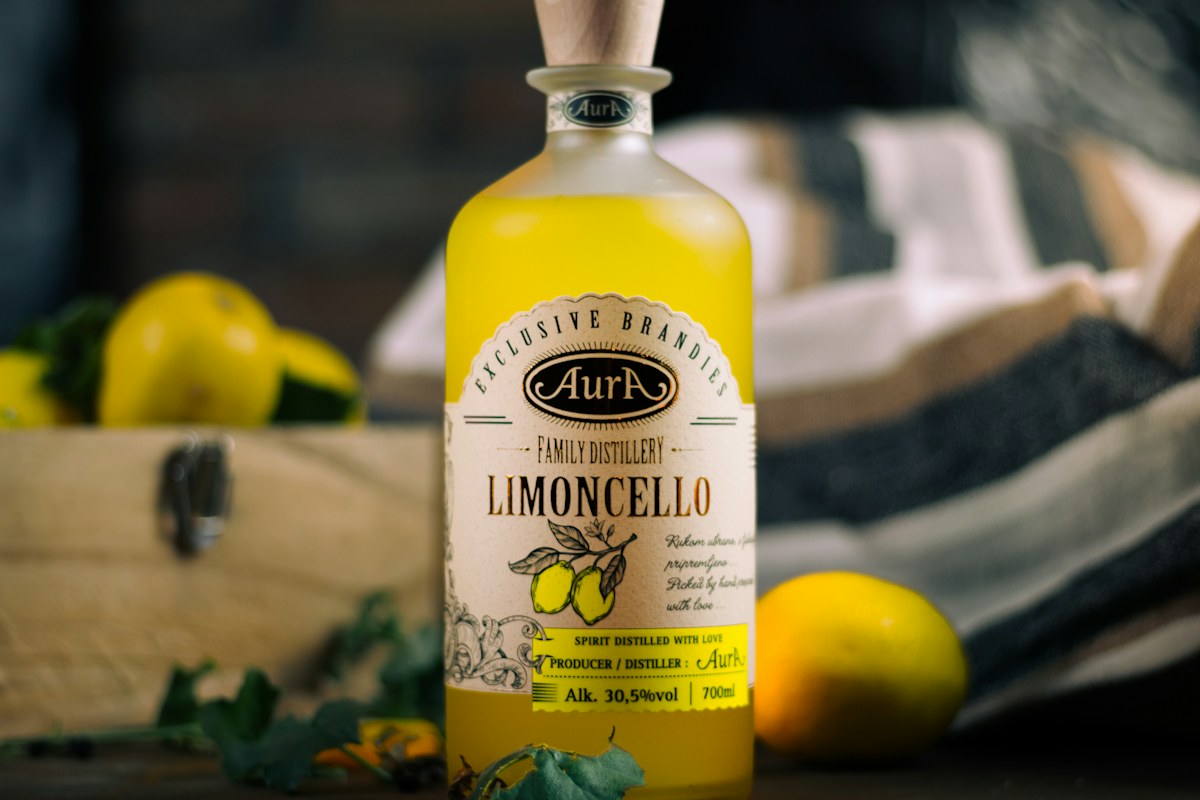
Italian liqueurs are part of how Italy eats, not a separate bar culture. A bitter aperitivo opens the evening, and a digestivo closes the meal. In between, every region has its own bottle, from Sorrento lemons to Sardinian myrtle and Alpine herbs. This guide explains what each liqueur is, where it comes from, when Italians drink it, and how to bring a bottle home.
The short answer: Italians drink bitter liqueurs such as Campari and Aperol before dinner, usually in a spritz or with soda. After dinner, they reach for a digestivo: an herbal amaro, a chilled limoncello, a sambuca or a regional specialty such as mirto or genepì. Order it at the end of the meal, after coffee or instead of it. Finally, if you fly home with bottles, pack them in checked luggage and check your customs allowance.
Last updated: September 26, 2026
Italian liqueurs at a glance
| Liqueur | Region | Base or flavor | When Italians drink it |
|---|---|---|---|
| Limoncello | Campania (Sorrento, Amalfi Coast, Capri) | Lemon peel infused in alcohol, with sugar and water | Ice-cold, after dinner |
| Amaro | All of Italy, with regional styles | Herbs, roots, bark and citrus; bittersweet | After dinner, neat or with ice |
| Sambuca | Lazio, especially Civitavecchia | Anise, sweet and strong | After dinner, or in coffee |
| Nocino | Emilia-Romagna (Modena) | Green walnuts, often with spices | After dinner, in small glasses |
| Mirto | Sardinia | Myrtle berries (red) or leaves and berries (white) | Chilled, after dinner |
| Genepì | Alps (Piedmont, Aosta Valley) | Alpine wormwood (Artemisia) | After dinner, often in mountain huts |
| Strega | Campania (Benevento) | About 70 herbs and spices, colored with saffron | After dinner, or in desserts |
| Maraschino | Veneto (Torreglia, near Padua) | Marasca cherries, distilled; clear | In cocktails and desserts |
| Amaretto | Lombardy (Saronno) | Almond flavor, sweet | After dinner, or with ice |
| Campari and Aperol | Lombardy and Veneto | Bitter orange and herbs | Before dinner, at aperitivo |
| Grappa | All of Italy, especially the north | Grape pomace spirit (not a liqueur) | After dinner, or in coffee |
Aperitivo or digestivo: when to drink what
Italian drinking follows the clock and the meal. In the early evening, aperitivo, the pre-dinner drink with snacks, calls for something bitter and light. Bitters such as Campari and Aperol are designed for this moment. They usually come mixed, for example in a spritz.
After dinner, by contrast, the mood changes. The digestivo, an after-dinner drink believed to settle the stomach, is small, strong and usually sipped neat. It follows the espresso, or it replaces it. In fact, a caffè corretto, an espresso “corrected” with a splash of grappa or sambuca, combines both. For the coffee side of the ritual, see our guide to coffee in Italy.
Limoncello: Sorrento, Amalfi and the protected lemons
Limoncello is the best-known of all Italian liqueurs abroad. Makers steep lemon peel in alcohol, then add sugar and water.
The lemons matter, and two of them have protected status in the EU. The Sorrento lemon PGI comes from the “femminello ovale” type, also called “Ovale di Sorrento”, according to the Sorrento PGI lemon supply chain. It grows only on the Sorrento peninsula, from Vico Equense to Massa Lubrense, plus Capri and Anacapri. Meanwhile, the Limone Costa d’Amalfi PGI uses the sfusato amalfitano variety. According to the Campania Region, it was recognized under EC Regulation 1356 of 2001. It grows in the 12 towns of the Amalfi Coast, from Positano to Vietri sul Mare (both checked September 2026).
In addition, the liqueurs themselves have protected names. The Ministry of Agriculture keeps the official list of Italian spirit-drink geographical indications. It includes “Liquore di limone di Sorrento” and “Liquore di limone della Costa d’Amalfi” (checked September 2026). So look for those names on the label if you want a bottle tied to the place.
For the rest of the area, read our guide to things to do in Sorrento.
Amaro: the bitter heart of Italian liqueurs
Amaro means “bitter”, and it is the widest family of Italian liqueurs. Each one is a secret blend of herbs, roots, bark, citrus peel and spices, sweetened and aged. As a result, no two taste the same.
Styles loosely follow geography. For example, southern amari tend to be rounder and sweeter, often with citrus. Alpine amari, by contrast, lean on mountain herbs and can be sharper. Well-known examples include Averna from Sicily, Lucano from Basilicata, Montenegro from Bologna and Braulio from Valtellina. These are examples, not a ranking. Above all, ask for a local amaro. In fact, many restaurants keep a regional bottle behind the bar.
Regional Italian liqueurs worth knowing
Sambuca (Lazio)
Sambuca is a sweet, clear anise liqueur, strongly linked with Lazio and the port of Civitavecchia. Bars usually serve it neat, sometimes con la mosca, “with the fly”, meaning with three coffee beans floating in the glass. Italians also add a splash to espresso, for example after lunch.
Nocino (Emilia-Romagna)
Nocino is a dark liqueur made from green, unripe walnuts. “Nocino di Modena” is a protected spirit drink on the ministry list. Tradition says the walnuts are picked on June 24, the feast of Saint John the Baptist.
Mirto (Sardinia)
Mirto is Sardinia’s signature liqueur. The red version comes from ripe myrtle berries, and “Mirto di Sardegna” is also on the protected list. A white version exists too. Locals usually serve it chilled after dinner. For the island itself, see our guide to things to do in Sardinia.
Genepì (the Alps)
Genepì is an herbal liqueur from the western Alps, made with small alpine plants of the Artemisia family. “Genepì del Piemonte” is a protected name. As a result, it is a classic end to a meal in a mountain hut, particularly after a day of skiing or hiking.
Strega (Campania)
Strega means “witch”, a nod to the legends of Benevento. According to the official Strega site, it was created in Benevento in 1860 from about 70 herbs and spices. Saffron gives it its yellow color (checked September 2026).
Maraschino and amaretto
Maraschino is a clear liqueur distilled from sour marasca cherries. The Luxardo family, one of its best-known makers, founded its distillery in Zara, Dalmatia, in 1821 and later moved to Torreglia, near Padua. Similarly, amaretto is a sweet, almond-flavored liqueur associated with Saronno, near Milan. Italians sip it with ice or use it in desserts.
The bitters: Campari, Aperol and the spritz
Campari and Aperol are technically bitter liqueurs, but Italians treat them as aperitivo drinks. According to Campari, the red bitter was invented in 1860. Aperol, by contrast, launched at the Padua International Fair in 1919. Its creators were the brothers Luigi and Silvio Barbieri, according to Campari Group (both checked September 2026).
The spritz is most at home in the Veneto. For the aperitivo ritual in Venice, read our guide to cicchetti in Venice.
Distillery visits and tastings you can verify
Few liqueur makers run regular public tours. These options have clear official details.
- Galleria Campari, Sesto San Giovanni (Milan). The brand museum sits in Campari’s first factory, built in 1904, and asks visitors to book in advance, according to Campari (checked September 2026).
- Luxardo museum, Torreglia (Padua). According to the Luxardo museum site, entry is free, booking is recommended, and each slot takes up to 12 people. Opening days change with the season (checked September 2026).
- Limoncello tastings on the Sorrento peninsula. Many shops offer them informally. Otherwise, a Sorrento cooking class or an Amalfi Coast cooking class puts you in lemon country. Check each tour page for what is included.
For a day on the water between tastings, look at the Capri boat tour to the Blue Grotto. Then browse all food tours in Italy.
How to order a digestivo
- Wait until the end. Finish your dessert first. The waiter may ask “caffè, digestivo?”, which is your cue.
- Ask for local. Say “un amaro, per favore”, or ask what they have that is local.
- Expect it neat. Amaro comes at room temperature or with ice; limoncello, mirto and genepì often come chilled.
Grappa often sits on the same tray, although it is a spirit rather than a liqueur. Our guide to Italian grappa explains the difference.
Bringing Italian liqueurs home
Security. At most airports, you cannot carry liquids in containers over 100 ml through security, although some airports now allow larger containers. However, liquids bought after security can travel in hand luggage in a sealed security bag with the receipt visible. Do not open the bag until your final destination, according to GOV.UK (checked September 2026). As a result, the safest option is to wrap bottles well and pack them in checked luggage.
United States. According to U.S. Customs and Border Protection, your returning resident exemption covers one liter of alcohol (checked September 2026). You must be at least 21, and it must be for personal use. Beyond that liter, the same page says the extra alcohol is dutiable at 3 percent, plus any Internal Revenue Tax. Your arrival state may also set its own limits.
United Kingdom. Arriving in Great Britain, you can bring 4 liters of spirits and liqueurs over 22% alcohol, or 9 liters of drinks up to 22%, according to GOV.UK (checked September 2026). You can also split this allowance. Most limoncello, amaro and mirto is over 22%, so check the label.
Bitters like Aperol and Campari belong to the pre-dinner ritual. Our guide to aperitivo in Italy covers spritz, Negroni and what food to expect.
To see where the coast’s lemons grow, our Amalfi lemon tour page compares the Path of Lemons walk from Maiori with a family lemon farm above Amalfi, both with a tasting.
Italian liqueurs: frequently asked questions
What is the most popular liqueur in Italy?
There is no official ranking, but limoncello and amaro are the ones most travelers meet. Amaro is the everyday after-dinner choice across Italy, while limoncello is strongest on the Sorrento peninsula and the Amalfi Coast.
When do Italians drink limoncello?
After dinner, as a digestivo, served ice-cold in a small glass. Italians do not usually drink it before or with a meal.
How much liqueur can I bring back to the US from Italy?
U.S. Customs and Border Protection allows one liter of alcohol in the returning resident exemption if you are at least 21. Extra alcohol is dutiable, and your arrival state may have its own limits.
Can I take limoncello in my hand luggage?
Only in containers up to 100 ml at most airports, unless you buy it after security in a sealed bag with the receipt. Otherwise, pack full bottles in checked luggage.
Taste Italy one glass at a time
Find a food experience for your trip
Compare food tours, tastings and cooking classes from Sorrento to Venice, with prices and ratings read on Viator.
Book it: experiences for this trip
Matched to this article by place and interest, then ordered by Viator rating and number of reviews (checked September 2026). Prices and availability are shown live on Viator.
Keep exploring Italy