
BLOG · Italy2Love Magazine Guide
Italian Jewelry Brands: The Great Houses, Gold Towns and Hallmarks (2026)
Italian jewelry brands explained for travelers: Bulgari, Buccellati, Damiani and Pomellato, who owns them today, the gold towns to visit and how to read Italian hallmarks.
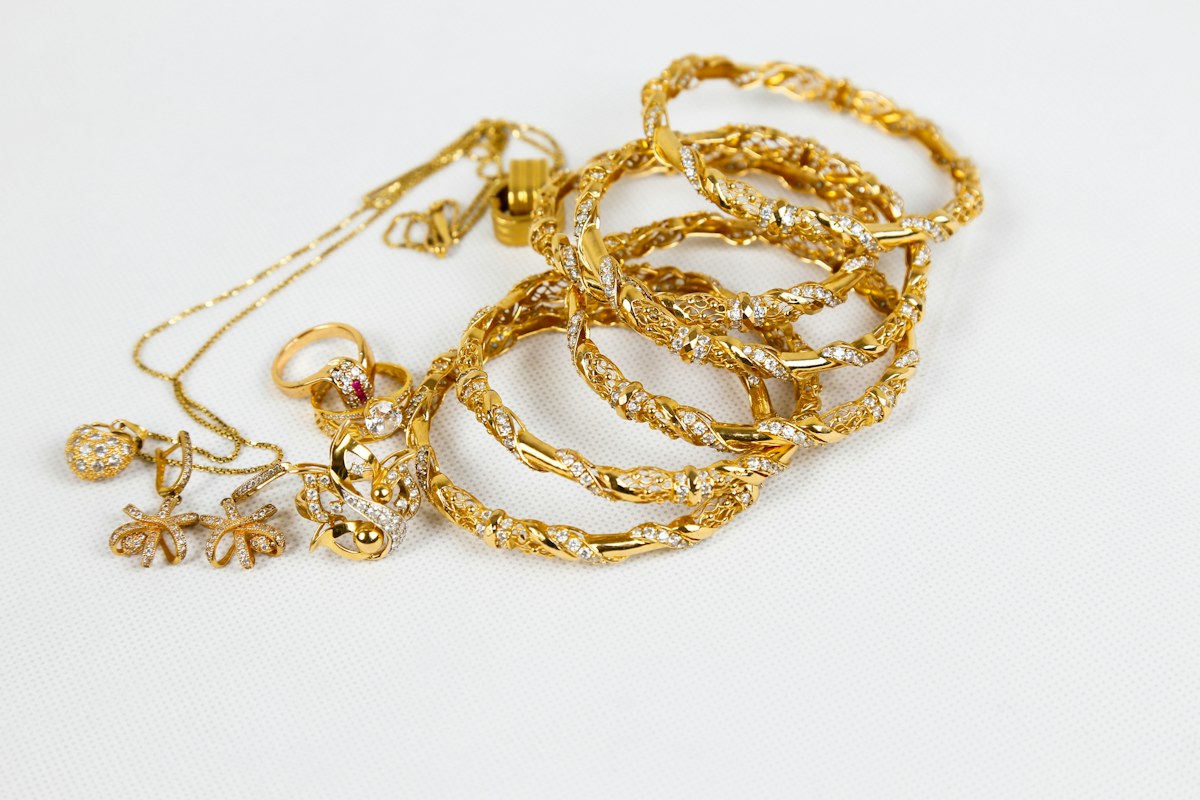
Italian jewelry brands grew out of a few goldsmith towns and a handful of family workshops. Some are now global names inside French and Swiss groups. Others, by contrast, are still family businesses. This guide covers the main houses, the jewelry towns and how to check that gold is genuinely Italian.
The short answer: the best-known Italian jewelry brands are Bulgari, Buccellati, Pomellato and Damiani. Bulgari belongs to LVMH, Buccellati to Richemont and Pomellato to Kering, while Damiani remains a family group. For a travel angle, visit the Ponte Vecchio in Florence and the jewelry museum in Vicenza. Then check every gold piece for the Italian fineness mark and maker’s mark.
Last updated: September 25, 2026
Italian jewelry brands at a glance
| Brand | Founded | Style | Owner today | Where to see it |
|---|---|---|---|---|
| Bulgari | Rome, 1884 | Bold color, Roman motifs, the Serpenti snake | LVMH, since 2011 | Via dei Condotti, Rome |
| Buccellati | Milan, 1919 | Hand-engraved gold with a lace-like texture | Richemont, since 2019 | Milan and Rome boutiques |
| Damiani | Valenza, 1924 | Diamond jewelry and bridal | The Damiani family | Valenza and major city boutiques |
| Pomellato | Milan, 1967 | Colored stones and chunky gold chains | Kering, since 2013 | Milan boutiques |
| Vhernier | Milan | Sculptural contemporary pieces | Richemont | Milan boutiques |
The big Italian jewelry houses
Bulgari
Bulgari opened in Rome in 1884 and later moved to Via dei Condotti, in 1905. The shop at number 10 is still the flagship, at the foot of the Spanish Steps. In 2011, the family sold a majority stake to LVMH. Today, the house makes jewelry and watches for a global market. Our guide to the Spanish Steps covers the street around it.
Buccellati
According to Richemont (checked September 2026), Mario Buccellati founded the house in Milan in 1919. Richemont bought it in 2019. Above all, its signature is hand engraving that makes gold look like lace or fabric. As a result, each piece takes many hours of bench work.
Damiani
Damiani, meanwhile, is the family house among the big names. According to the Damiani Group history (checked September 2026), Enrico Grassi Damiani founded it in Valenza in 1924. Even today, the family leads it, and it keeps its base in the town.
Pomellato and Vhernier
Pomellato brought a more casual style to fine jewelry in Milan in 1967, with colored stones and heavy chains. Then Kering acquired it in 2013. Similarly, Vhernier makes sculptural pieces in Milan and is now part of Richemont.
Where Italian jewelry is made
Most Italian jewelry brands rely on a few specialist districts. As a result, knowing them helps you choose where to shop and what to look for.
- Valenza, Piedmont: a small town between Milan and Turin, known for high jewelry and stone setting.
- Vicenza, Veneto: a major gold-working center, and the home of a jewelry museum. It is an easy train ride from Venice; see our day trips from Venice.
- Arezzo, Tuscany: a large goldsmith district, known especially for gold chains.
- Torre del Greco, near Naples: the traditional center of coral and shell cameo carving.
- Florence: the goldsmiths on the Ponte Vecchio, where jewelers have kept shops on the bridge since the late 1500s.
Where to see Italian jewelry brands on your trip
The most famous stop is the Ponte Vecchio in Florence. Its tiny shops line both sides of the bridge. Many of them display both antique and contemporary gold. Also, you can combine it with a Florence walking tour of the David and the Duomo. For more ideas, see our guide to the places to go in Florence.
Next, in Vicenza, the Museo del Gioiello sits inside the Basilica Palladiana on the main square. According to the official museum site (checked September 2026), it opens Tuesday to Sunday and closes on Mondays, except for special openings. Its current display, Gioiello – Italia, runs through 2027 and traces Italian jewelry from the 5th century BC to today.
In Venice, meanwhile, glass beads from Murano are a more affordable souvenir than gold. To see the glassmakers at work, try a Murano and Burano tour. Alternatively, read our guide on what to do in Murano.
How to recognize genuine Italian gold jewelry
Italian law requires at least two marks on precious metal jewelry sold in Italy. First, there is a fineness number, such as 750 for 18-karat gold. Second, there is a maker’s mark. According to the Chamber of Commerce of Gran Sasso d’Italia (checked September 2026), the maker’s mark shows a star, a number and a province code. A polygon frames all three.
- Read the province code. AR points to Arezzo, VI to Vicenza, AL to Alessandria, the province of Valenza, and FI to Florence.
- Know what 750 means. It stands for 750 parts of gold per 1,000, the 18-karat standard common in Italy.
- Ask for a receipt and certificate. Also, for important gemstones, ask for an independent grading report.
- Check the “Made in Italy” claim. By law, a product sold as entirely Italian must have its design, processing and packaging done in Italy.
In addition, non-EU visitors can often reclaim VAT on larger purchases, so keep the paperwork. Our guide to the VAT refund in Italy explains the steps. For discounted fashion jewelry, see our list of outlets in Italy. For more Italian design, also read our guides to Italian watch brands and what Made in Italy means.
Some Italian houses make both jewelry and watches. See our guide to Italian watch brands, from Panerai to Bulgari.
Italian jewelry brands: frequently asked questions
What are the most famous Italian jewelry brands?
Bulgari, Buccellati, Pomellato and Damiani are the best known. Vhernier is a smaller Milan house with a strong following.
Are Italian jewelry brands still Italian-owned?
Some are not. LVMH owns Bulgari, Richemont owns Buccellati and Vhernier, and Kering owns Pomellato. Damiani remains a family group based in Valenza.
What does 750 mean on Italian gold?
It means the metal contains 750 parts of gold per 1,000, which is 18-karat gold. A maker’s mark with a star, a number and a province code should sit next to it.
Where is the best place to buy jewelry in Florence?
The Ponte Vecchio is the historic choice, with goldsmiths lining the bridge. Via de’ Tornabuoni has the boutiques of the big brands.
Is there a jewelry museum in Italy?
Yes. The Museo del Gioiello in Vicenza sits inside the Basilica Palladiana on Piazza dei Signori. It opens Tuesday to Sunday, with special openings on some Mondays.
Plan your shopping stops
Walk the goldsmith streets with a guide
Compare walking tours in Florence, Rome and Venice that pass the historic jewelry streets, with prices and ratings read on Viator.
Book it: experiences for this trip
Matched to this article by place and interest, then ordered by Viator rating and number of reviews (checked September 2026). Prices and availability are shown live on Viator.
Keep exploring Italy