
Discover Perugia beyond the obvious: Etruscan gateways, medieval squares, remarkable art, Umbrian food and a city made for unhurried exploring.
The short answer: Perugia is worth two nights for most first-time visitors. Explore Piazza IV Novembre, Palazzo dei Priori, the National Gallery of Umbria, Rocca Paolina and Etruscan gateways; then enjoy regional food and the lively university-city atmosphere. You do not need a car to visit the historic centre, but a car is useful for smaller villages and the countryside.
Is Perugia Worth Visiting?
Yes — particularly for travellers who love art, medieval architecture, atmospheric streets and local food. Umbria’s capital is a working university city rather than an outdoor museum. Perugia rewards a slower itinerary: museum visits by day, a passeggiata along Corso Vannucci, and time to discover smaller streets away from the busiest square.
Best for: art and history, couples, cultural city breaks, regional food and slow travel. Ideal stay: two nights for the city, three or four with regional excursions. Think twice if: you require an almost entirely flat walking route; Perugia is steep and includes steps and cobbled streets.
Best Things to See in Perugia
Start in Piazza IV Novembre, where the sculpted medieval Fontana Maggiore stands between the cathedral and Palazzo dei Priori. This civic square is the natural orientation point for your first morning.
Palazzo dei Priori and the Galleria Nazionale dell’Umbria: the Gothic palace houses one of central Italy’s most significant art collections, with medieval and Renaissance works. Allow proper museum time if art is a main reason for your trip.
Cathedral of San Lorenzo: the city’s principal cathedral faces the main square and is easily combined with nearby civic landmarks.
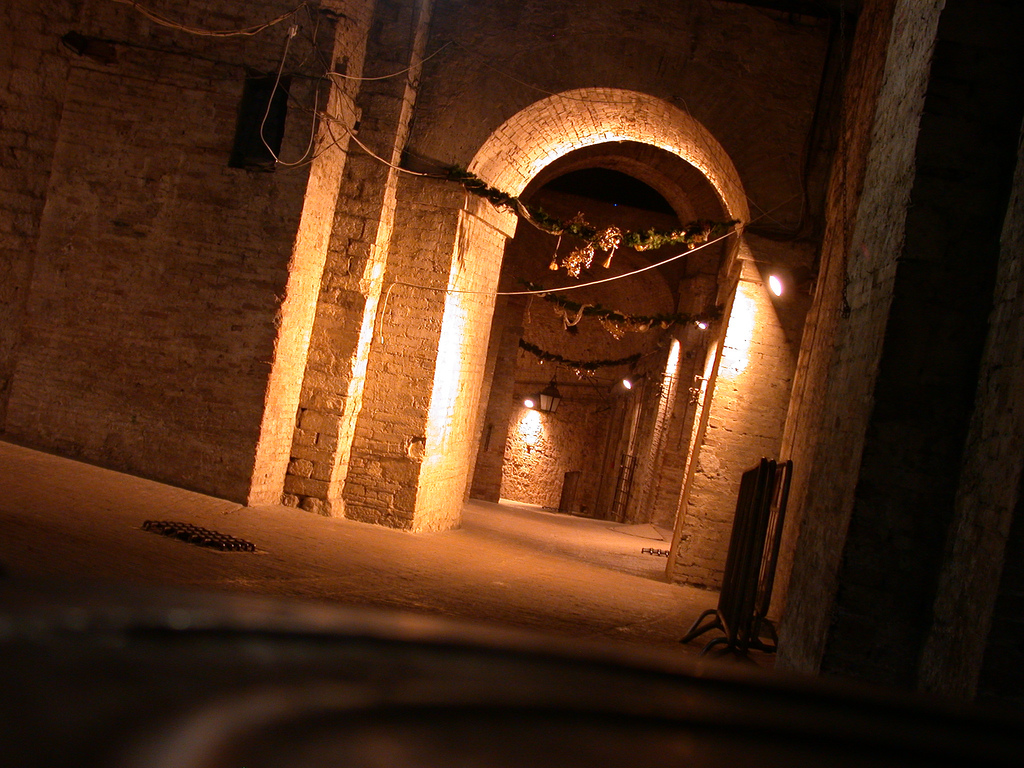
Rocca Paolina: passageways incorporated into a sixteenth-century papal fortress reveal an unusual underground layer of the older city. The experience is as much about urban history as it is about architecture.
Arco Etrusco: the ancient gateway, also called the Arch of Augustus, reveals Perugia’s pre-Roman roots. Continue towards the quieter upper historic streets.
Corso Vannucci and Piazza Italia: a rewarding route for cafés, people-watching and wide views at the southern edge of the historic centre.
For more attractions, context and ideas, explore our dedicated Things to Do in Perugia guide. This destination hub focuses on choosing and planning a stay rather than duplicating that article.
Where to Stay in Perugia: Best Areas for Your Trip
Historic centre / Corso Vannucci: our first choice for a short city break. You can walk to the main sights and return after dinner without planning another transfer. Check luggage access and stairs before booking.
Porta Sole and the upper old town: atmospheric lanes and excellent viewpoints suit travellers who value historic character. Expect steep approaches and uneven paving.
Fontivegge railway station area: practical for frequent rail journeys or an early departure, but it feels different from the medieval hilltop and requires a transfer to reach many central sights.
Countryside around Perugia: consider a farmhouse or agriturismo if you have a car and want rural landscapes, food experiences and quiet evenings. Avoid relying on spontaneous public transport for remote properties.
Our Where to Stay in Perugia guide compares neighbourhoods, accessibility, transport, accommodation types and practical trade-offs for different travellers. Until then, see places to stay in Umbria for relevant accommodation options.
How Many Days in Perugia?
Half a day: focus on Piazza IV Novembre, Corso Vannucci and a viewpoint. This is a taste of Perugia rather than an in-depth visit.
One full day: add Rocca Paolina and either the National Gallery or a longer walk towards the Etruscan Arch.
Two days: enjoy the historic centre without rushing, visit the museum, explore quieter streets, and make time for Umbrian food and an evening in town. Two nights are a strong first-visit choice.
Three or four days: combine two city days with an excursion to Assisi, Lake Trasimeno or another Umbrian town. Choose excursions based on the transport you actually have rather than attempting a checklist of distant places.
A Practical One-, Two- and Three-Day Perugia Itinerary
Day 1 — Medieval Perugia: start at Fontana Maggiore and Piazza IV Novembre, explore Palazzo dei Priori or the National Gallery, have lunch in the centre, then continue through Corso Vannucci to Rocca Paolina. Finish with regional cuisine and an evening stroll.
Day 2 — Art, Etruscan history and local life: begin at the Etruscan Arch, explore lesser-visited historic streets and allow time for a second museum or church. Break up your walk with cafés and views rather than treating the town as a race between monuments.
Day 3 — Discover Umbria: consider Assisi for religious and artistic heritage, Lake Trasimeno for relaxed lakeside scenery, or another nearby town if it fits your transport and interests. Read our Umbria destination guide to decide which route suits you.
What to Eat in Perugia: Umbrian Specialities
Torta al testo is a traditional Umbrian flatbread that can be filled with cured meats, cheese or vegetables — an easy lunch between sights.
Strangozzi and other local pastas showcase central Italian cooking. Sauces and seasonal ingredients vary by restaurant.
Umbrian cooking also highlights olive oil, truffles, legumes, mushrooms and cured meats, reflecting the surrounding countryside. Choose places displaying seasonal regional menus rather than assuming every dish will be available year-round.
Perugia’s chocolate-making identity is another reason visitors recognise the city. If your dates coincide with the festival, consult our Eurochocolate Perugia guide and the organiser for confirmed programming.
Best Day Trips from Perugia
Assisi: the most compelling first excursion for many travellers, thanks to its medieval streets, art and Franciscan heritage. Its rail station is below the historic centre, so plan the onward connection.
Lake Trasimeno: choose it for lakeside walks, villages and a gentler change of scenery. Public transport works better for some towns than others.
Gubbio: dramatic stone architecture and a strong medieval atmosphere. Check connections carefully if you do not have a car.
Spello: an attractive small-town alternative known for historic streets and photogenic details, often paired with Assisi.
Montefalco: appealing for Umbrian food and Sagrantino wine. A guided experience or designated driver is preferable if you plan tastings.
Some of these trips are straightforward without a car; others are substantially more practical by road. Compare realistic journey times before committing to multiple stops.
Best Time to Visit Perugia
Spring: comfortable walking weather is an advantage for Perugia’s hills and for exploring the green countryside. Expect some changeable days.
Summer: longer evenings and cultural festivals bring energy, but daytime heat can make steep sightseeing routes more tiring. Umbria Jazz is an important part of the city’s cultural identity; always check the official dates.
Autumn: a strong season for food, countryside excursions and cultural travel. Chocolate-themed events can attract significant visitor numbers, so compare accommodation availability early.
Winter: enjoy museums, restaurants and a quieter urban atmosphere, accepting shorter days and colder conditions.
For the wider seasonal choice, use our Best Time to Visit Italy guide. Event dates and opening hours should always be confirmed before travel.
How to Get to Perugia and Travel Without a Car
By train: Perugia Fontivegge is below the old town. Depending on your origin, you may need a change. Check current rail services through Trenitalia.
From the station to the centre: local buses and the Minimetrò connect different levels and parts of the city. Check operating hours and where to change before arrival.
By car: driving helps with rural Umbria, but the historic centre contains restricted traffic zones and difficult access streets. Confirm parking and any accommodation access permissions in advance.
On foot: central Perugia is best enjoyed walking, but distances on a map underestimate the effort caused by slopes and steps. Check step-free transport arrangements if mobility is an issue.
Perugia for Couples, Families and Slow Travellers
Couples: two nights in the historic centre leave space for atmospheric streets, viewpoints and an unhurried dinner.
Families: combine short walking segments with piazzas, art or history stops and the underground atmosphere of Rocca Paolina. Be realistic about hills and pushchairs.
Art and history lovers: prioritise the National Gallery, Palazzo dei Priori, churches and ancient gateways.
Slow travellers: use Perugia as one comfortable base, spend longer at fewer attractions and take one thoughtful day trip instead of attempting every Umbrian town at once.
Perugia vs Assisi: Which City Should You Choose?
Choose Perugia for a larger city, museums, everyday university life, a wider restaurant scene and a practical multi-day base.
Choose Assisi if your main interests are Franciscan heritage, churches and a smaller medieval-town atmosphere.
For many travellers, the best choice is not either-or: sleep in Perugia and dedicate a day to Assisi, provided travel connections work for your schedule.
Perugia Tours and Selected Experiences
A guided walking tour can add context to the Etruscan and medieval layers of the historic centre. A self-guided audio experience may be more suitable if you prefer a flexible pace. Food-focused experiences are particularly appropriate for longer visits.
Explore our Best Tours in Perugia guide for verified guided and self-guided experiences and our walking-tour comparison for product-level details. We only recommend specific booking products after confirming their current provider information, working affiliate links and conditions.
Affiliate disclosure: Italy2Love may earn a commission from qualifying partner bookings, at no additional cost to you.
Frequently Asked Questions About Perugia
Is Perugia worth visiting for one day? Yes. A full day allows you to explore the main historic square and streets, visit Rocca Paolina and choose one cultural attraction. Stay longer for museums and relaxed dining.
How many nights should I spend in Perugia? Two nights are ideal for many first-timers; add more if you want excursions across Umbria.
Can I visit Perugia without a car? Yes, especially if you stay in the historic centre and use public transport for selected excursions. A car offers more flexibility for rural attractions.
Is Perugia a good base for Umbria? Yes. Its accommodation, cultural attractions and transport connections make it a useful base, though some remote villages are easier by road.
Is Perugia expensive? Spending varies by dates, hotel category and dining choices. Major festivals can affect rates; compare live prices for your exact stay.
What is Perugia famous for? Etruscan history, Gothic architecture, Umbrian art, universities, chocolate traditions and its cultural events.
Should I visit Perugia or Assisi? Perugia suits a lively city break and multi-day base; Assisi is especially compelling for religious and medieval heritage. They work well together.
Plan Your Perugia Trip
Begin with the historic centre, stay long enough to enjoy the atmosphere after sunset, and choose regional day trips that fit your schedule.
Continue planning: Things to Do in Perugia · Umbria Travel Guide · Places to Stay in Umbria · Explore All Destinations.
Photo: Giovanni Dall’Orto / Wikimedia Commons, licensed for reuse with attribution. Original: Piazza IV Novembre, Perugia. Image scaled by WordPress.
Read before you go
More Perugia travel guides
Guides, events and experiences in and around Perugia, most recently updated first.
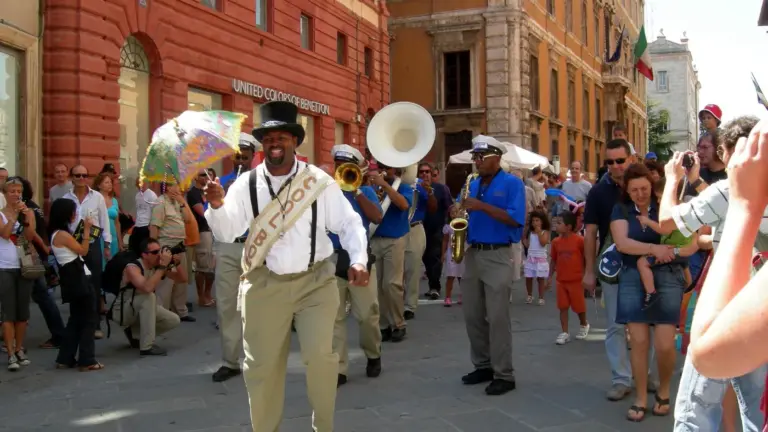
Umbria Jazz 2027: Dates, Tickets and Tips for Perugia
Umbria Jazz 2027 runs from July 9 to 18 in Perugia, and Umbria Jazz Winter plays Orvieto over New Year. Tickets, venues,…
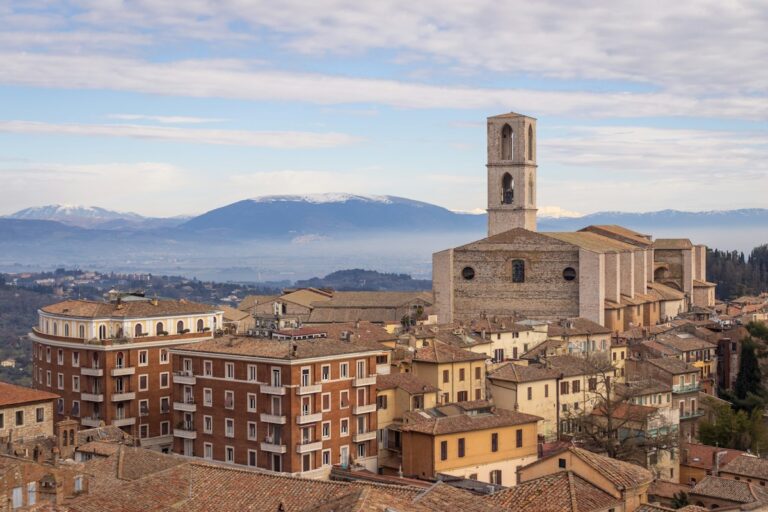
Things to Do in Perugia: Fountains, Frescoes and Etruscan Gates (2026)
Things to do in Perugia, Umbria: the Fontana Maggiore, the Galleria Nazionale dell’Umbria, Perugino’s frescoes, the underground Rocca Paolina, Etruscan gates and…


Eurochocolate Perugia 2026: Dates, Events and Travel Guide
Eurochocolate Perugia 2026 with confirmed dates, what to expect, how to get there, where to stay and practical tips for the chocolate…