
BLOG · Italy2Love Magazine Guide
Barolo vs Barbaresco: Which Wine Area Should You Visit?
Barolo and Barbaresco share Nebbiolo but offer different wine-country experiences. Compare villages, wine styles, itineraries and logistics to choose the right Langhe area for your trip.
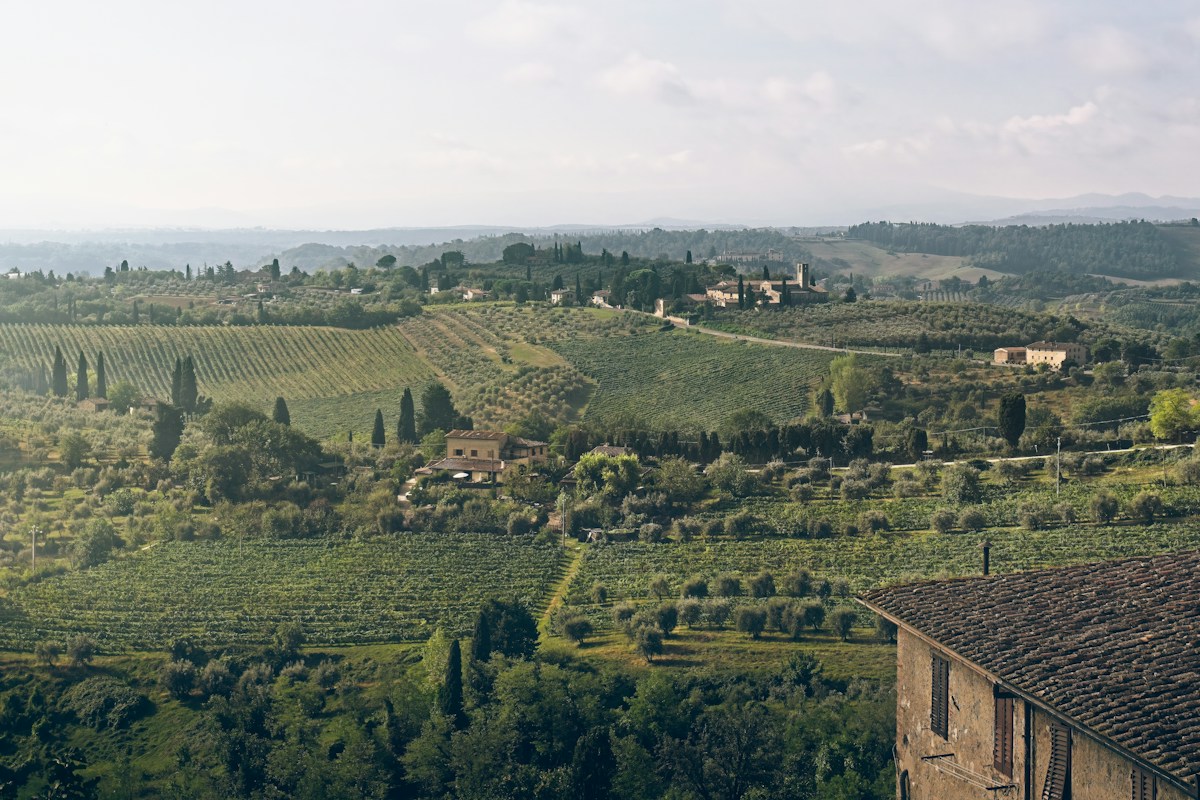
Barolo vs Barbaresco is not simply a contest between two famous bottles. For travelers, it is a choice between two neighboring wine landscapes in Piedmont: Barolo offers a broader, more varied circuit of celebrated villages and crus, while Barbaresco is more compact, intimate and easy to combine with Alba. Both wines are made entirely from Nebbiolo, but the best area for your trip depends on how much time you have, the atmosphere you prefer and the style of cellar visit you want.
The short answer: choose Barolo for an iconic first encounter with the Langhe, dramatic hill towns and a wider range of winery stops. Choose Barbaresco for a quieter day, shorter transfers and an elegant route through Barbaresco, Neive and Treiso. If wine is a central reason for your trip, give the two areas separate days instead of treating one as a substitute for the other.
Barolo vs Barbaresco at a glance
| Question | Barolo | Barbaresco |
|---|---|---|
| Grape | 100% Nebbiolo | 100% Nebbiolo |
| Travel character | Expansive, iconic and village-to-village | Compact, quieter and easy to navigate |
| Key places | Barolo, La Morra, Monforte d’Alba, Serralunga d’Alba, Castiglione Falletto | Barbaresco, Neive, Treiso and San Rocco Seno d’Elvio |
| Typical wine impression | Often broader, firmer and slower to unfold | Often more immediately perfumed and approachable |
| Minimum ageing before release | 38 months, including at least 18 in wood | 26 months, including at least 9 in wood |
| Best for | First-time Langhe visitors, collectors and longer wine itineraries | Couples, slow travelers and visitors with half a day or one relaxed day |
| Practical advantage | More villages and contrasting vineyard landscapes | Shorter distances and an easy link with Alba |
These are useful tendencies, not rigid rules. A fragrant Barolo from La Morra can feel more graceful than a structured Barbaresco from a powerful site, and producer choices, vintage and bottle age can outweigh any simple regional stereotype.
What is the difference between Barolo and Barbaresco?
Barolo and Barbaresco are neighboring DOCG wines made from Nebbiolo in the Langhe. Their main differences come from their delimited production zones, vineyard exposures, soils, mesoclimates and ageing rules. Barolo generally covers a larger and more varied territory; Barbaresco occupies a smaller area east of Alba and reaches the market sooner.
Nebbiolo naturally brings high acidity, pronounced tannin, a pale garnet color and aromas that can move from rose, red cherry and orange peel toward tobacco, spice, earth and truffle with age. Yet the grape is exceptionally sensitive to place. That is why comparing Barolo and Barbaresco only by tasting notes misses much of the story: each name represents a landscape, a group of villages and a network of individual vineyard sites.
The official rules also differ. Barolo must age for at least 38 months, including 18 months in wood; Barolo Riserva requires 62 months. Barbaresco must age for at least 26 months, including 9 months in wood; Barbaresco Riserva requires 50 months. These are minimum legal periods, not guarantees that every bottle will be ready at release. A producer’s style, the vintage and the specific vineyard remain decisive.
What visiting the Barolo area feels like
The Barolo zone rewards travelers who enjoy moving slowly between hill towns. Its production area spans eleven municipalities, and the best-known route is not a single road but a web of ridges, castles, vineyard amphitheaters and sharply different exposures. Even when two villages appear close on a map, the experience can change considerably from one slope to the next.
- Barolo: the symbolic village, home to the Wine Museum and an easy introduction to the denomination.
- La Morra: panoramic, lively and convenient for combining viewpoints, lunch and cellar visits.
- Monforte d’Alba: an atmospheric base with restaurants, a historic center and access to important vineyard slopes.
- Serralunga d’Alba: dramatic castle views and a reputation for structured, long-lived expressions of Nebbiolo.
- Castiglione Falletto: compact, central and ideal for understanding how tightly villages and vineyards interlock.
Barolo is the stronger choice when you want the classic “wine hills of Piedmont” journey and have at least one full day. It is also the better area for travelers who want to compare several village identities rather than visit one headline winery. Our complete Langhe travel guide explains how these villages fit into a wider stay around Alba, truffles and the UNESCO-listed vineyard landscape.
What visiting the Barbaresco area feels like
Barbaresco feels more concentrated. The denomination centers on Barbaresco, Neive and Treiso, plus San Rocco Seno d’Elvio in the municipality of Alba. Transfers are shorter, the rhythm can be gentler, and it is easier to build a satisfying route without spending most of the day in the car.
- Barbaresco: small, wine-focused and crowned by a medieval tower overlooking the Tanaro valley.
- Neive: one of the area’s most attractive historic villages, with a polished but still intimate atmosphere.
- Treiso: quieter and rural, surrounded by vineyard roads and the landscape of the Rocche dei Sette Fratelli.
- San Rocco Seno d’Elvio: a useful bridge between Alba and the Barbaresco hills.
Barbaresco works especially well for couples, returning visitors and travelers who value conversation with producers over a checklist of famous names. It is also easier to pair with time in Alba, making it a practical choice if your itinerary includes the Alba White Truffle Fair or a truffle-hunting experience.
Does Barolo taste stronger than Barbaresco?
Barolo is often described as the more powerful wine and Barbaresco as the more elegant one. That shorthand can help a beginner, but it should not become a rule. Both can be perfumed, tannic and capable of long ageing. Within Barolo alone, a wine from La Morra may be very different from one grown around Serralunga d’Alba or Monforte. Barbaresco also contains distinct vineyard sites that range from lifted and floral to deep and firmly structured.
If you prefer intensity, structure and the prospect of long cellar ageing, begin with Barolo—but tell the winery what you normally drink. If you enjoy aromatic detail, precision and wines that may show their character somewhat earlier, begin with Barbaresco. The most useful tasting compares wines of a similar vintage and quality level rather than one young Barolo with one mature Barbaresco.
Which wine area is better for a first visit?
For most first-time visitors, Barolo is the default choice. The name is more familiar, the landscape contains several instantly recognizable villages, and a full-day route delivers the broadest introduction to the Langhe. It is especially rewarding if this may be your only wine day in Piedmont.
Choose Barbaresco instead when you have less time, prefer a quieter route or want to combine wine tasting with Alba and Neive. It can also be the smarter choice during crowded autumn weekends, although reservations remain essential throughout harvest and truffle season.
Choose Barolo if you…
- want the most iconic first-day experience in the Langhe;
- enjoy comparing several villages and vineyard styles;
- have a full day and do not mind longer transfers;
- are particularly interested in structured, age-worthy Nebbiolo.
Choose Barbaresco if you…
- prefer a compact route with less time in the car;
- want to stay close to Alba or include Neive;
- favor intimate villages and a slower pace;
- want a focused half-day that still feels complete.
Can you visit Barolo and Barbaresco in one day?
Yes, but it should be a tasting day rather than a village-collecting race. Allow roughly 45–60 minutes between the core areas, depending on your exact wineries and traffic. Two pre-booked tastings—one in each denomination—are realistic with a private driver or a carefully planned route. Three or four tastings plus several villages usually creates more driving than enjoyment.
A balanced one-day plan could begin with a morning tasting near Barbaresco or Neive, continue with lunch in Alba, and finish with an afternoon estate near La Morra or Barolo. If you are driving yourself, keep the tasting programme conservative. The roads are scenic but winding, and cellar pours are not symbolic.
The better plan is two days: Barbaresco and Alba on day one, then Barolo, La Morra and one additional Barolo village on day two. That rhythm fits the Slowxury approach to traveling in Italy: fewer appointments, more meaningful time in each place and space for an unplanned lunch or viewpoint.
Where should you stay?
Alba is the most flexible base if you want to visit both Barolo and Barbaresco. It has the widest choice of restaurants and services, and it keeps you between the two zones. Stay in Barolo, La Morra or Monforte when wine-country atmosphere matters more than evening variety. Choose Neive or Barbaresco for a quieter stay and easier access to the eastern Langhe. Our dedicated guide to where to stay in the Langhe compares the bases by transport, atmosphere and trip style.
A countryside agriturismo or wine resort can be memorable, but check the distance to dinner and whether taxis are realistically available. In rural Langhe, “a few kilometers away” can still mean dark, narrow roads after a long tasting menu.
How to plan winery visits well
- Book before you arrive. Many Langhe wineries receive visitors only by appointment, especially small family estates.
- Limit the schedule. Two substantial visits in a day leave room for lunch and the landscape; three require discipline.
- Mix perspectives. Pair a historic producer or cooperative with a smaller estate rather than booking two near-identical formats.
- State your interests. Tell the host whether you care most about vineyard sites, traditional versus modern cellar choices, older vintages or food pairing.
- Plan transport first. A guided tour or private driver allows everyone to taste and removes the stress of parking and navigation.
To compare available formats, starting points and what a wine day actually includes, use our guide to Barolo wine tours in the Langhe. It covers private and small-group options, Alba departures and itineraries that also include Barbaresco.
When is the best time to visit?
Late spring and early autumn usually offer the best balance of vineyard color, comfortable temperatures and active village life. September and October are beautiful but busy because of harvest and truffle season; winery schedules can be restricted while producers work. November is atmospheric and food-focused, particularly around Alba, but daylight is shorter and some countryside services reduce their hours.
Summer brings long days and greener views, although afternoons can be hot. Winter is quiet, rewarding for serious tastings and dining, but requires more advance checking. Whichever season you choose, confirm every cellar appointment directly and avoid building the day around opening hours found on old directory listings.
The Italy2Love verdict
In the Barolo vs Barbaresco decision, Barolo wins for breadth and first-trip impact; Barbaresco wins for intimacy and efficiency. Neither is inherently the “better” wine area. They express the same demanding grape through different places, and the most rewarding trip respects that difference instead of reducing it to king versus queen.
If you have one day, choose the area that matches your travel style and visit it properly. If you have two days, do both. Start with the Langhe travel guide, then use the broader Italian wine regions guide if Piedmont is part of a longer wine journey through Italy.
Where to stay
Planning to spend the night in the Langhe? Book a central base and you will lose less time in transit, especially if you start early. Not sure which area to pick? Our guide to where to stay in the Langhe compares the best areas.
Affiliate links: if you book through them, Italy2Love earns a commission at no extra cost to you.
Compare places to stay in the Langhe →Frequently asked questions
Are Barolo and Barbaresco made from the same grape?
Yes. Both DOCG wines are made from 100% Nebbiolo. Their differences arise from the production zones, individual vineyard sites, climate, soils, ageing requirements and producer choices.
Is Barbaresco better than Barolo?
No objective hierarchy works across all producers and vintages. Barolo often offers greater structure and a wider range of village expressions, while Barbaresco can provide exceptional perfume, precision and finesse. Personal taste and the specific bottle matter more than prestige alone.
Which is usually more expensive?
Barolo generally has a broader high-price market, but renowned Barbaresco producers and vineyard-designated wines can be equally expensive. Producer reputation, vintage, vineyard and bottle age are more useful price indicators than the denomination by itself.
Can you visit the Langhe without a car?
You can reach Alba by train, but winery travel is difficult without road transport. The simplest car-free plan is to stay in Alba and book a guided wine tour or private driver for Barolo, Barbaresco or both.
How many days do you need for Barolo and Barbaresco?
Two days is the ideal minimum: one for Barbaresco, Neive and Alba, and one for the Barolo villages. A single day is possible with two carefully selected tastings and pre-arranged transport.
Sources and further reading
- Consorzio di Tutela Barolo Barbaresco Alba Langhe e Dogliani
- Official Barbaresco DOCG production regulations
- UNESCO: Vineyard Landscape of Piedmont—Langhe-Roero and Monferrato
Affiliate disclosure: some experience pages linked from Italy2Love may contain affiliate links. If you book through them, we may earn a commission at no additional cost to you.
Book it: experiences for this trip
Matched to this article by place and interest, then ordered by Viator rating and number of reviews (checked October 2026). Prices and availability are shown live on Viator.
Keep exploring Italy