
BLOG · Italy2Love Magazine Guide
Villages in Italy in the Fall: 6 Hidden Small Towns (2026)
Hidden villages in Italy for a fall trip: Civita di Bagnoregio, Pitigliano, Montefalco, Neive, Santo Stefano di Sessanio and Castelmezzano, with why to go and how to get there.
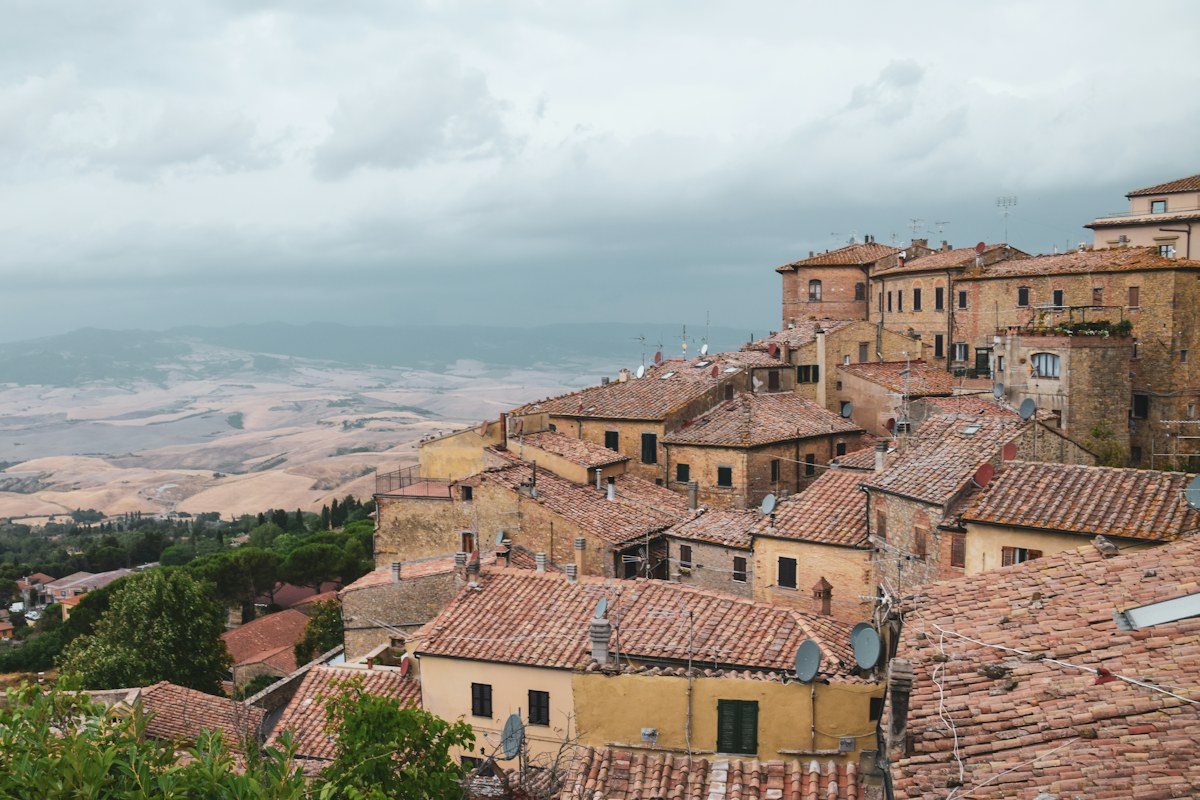
Hidden villages in Italy are at their best in the fall, when the summer crowds leave and the harvest fills the calendar. Instead of a long list, this guide picks six small villages from north to south. We chose each one by three criteria: a few thousand residents or fewer, a location off the classic first-trip route, and a clear reason to go between September and November.
The short answer: for drama, see Civita di Bagnoregio in Lazio and Castelmezzano in Basilicata. For wine, choose Montefalco in Umbria or Neive in Piedmont’s Langhe, where fall also brings the truffle season. For history, visit Pitigliano in southern Tuscany. Finally, for mountain silence, head to Santo Stefano di Sessanio in Abruzzo. Most of these villages are much easier to reach with a car.
Last updated: September 25, 2026
Hidden villages in Italy at a glance
| Village | Region | Why go in fall | Nearest city |
|---|---|---|---|
| Civita di Bagnoregio | Lazio | Misty mornings over the valley | Orvieto |
| Pitigliano | Tuscany | Tufa town and local wine | Grosseto |
| Montefalco | Umbria | Sagrantino harvest and olive oil | Perugia |
| Neive | Piedmont | Barbaresco vineyards and truffle season | Alba |
| Santo Stefano di Sessanio | Abruzzo | Lentils and mountain walks | L’Aquila |
| Castelmezzano | Basilicata | Rock peaks and quiet lanes | Potenza, Matera |
Civita di Bagnoregio, Lazio
First, Civita sits on a crumbling hill of tuff, and a long footbridge is the only way in. According to Italia.it, people call it “the dying city” because erosion keeps eating the hilltop (checked September 2026). In fact, the Etruscans founded it more than 2,500 years ago. In the fall, however, fog often fills the valley at dawn, so the village seems to float. Because the day-trip crowds arrive late, go early. It lies close to Orvieto, so combine them with an Orvieto day trip from Rome. For the area, see our Tuscia travel guide.
Affiliate links: if you book through them, Italy2Love earns a commission at no extra cost to you.
Pitigliano, Tuscany
Further north, Pitigliano rises straight out of a tufa cliff in the Maremma. Locals also call it “Little Jerusalem” because of its long Jewish history. According to Wikipedia, its synagogue dates from 1598, and the town counted about 3,600 residents in 2022 (checked September 2026). Also, look for the vie cave, deep sunken roads cut into the rock by the Etruscans. In fall, the local white wine, Bianco di Pitigliano, pairs with the season’s mushrooms. Our Tuscany travel guide covers the region.
Montefalco, Umbria
Montefalco earned the name “the balcony of Umbria” for its views over the valley. Above all, it is the home of Sagrantino, a powerful red grape. According to Wikipedia, Sagrantino di Montefalco became a DOCG wine in 1992 (checked September 2026). In addition, the church of San Francesco, now a museum, holds a fresco cycle by Benozzo Gozzoli on the life of Saint Francis. In fall, the harvest and the new olive oil season follow one another. So book a Montefalco winery and olive oil mill tour and read our Umbria travel guide.
Neive, Piedmont
Meanwhile, Neive is a small hill village in the Langhe, next to Barbaresco and a short drive from Alba. Moreover, it belongs to the association of “I Borghi più belli d’Italia”, the most beautiful villages of Italy. Fall is its peak season: vineyards turn red and gold, and Alba hosts its white truffle fair. For dates and tips, see our guide to the Alba White Truffle Fair. Then taste the wines of the area on a Barolo wine tour in the Langhe.
Santo Stefano di Sessanio, Abruzzo
This stone village sits at about 1,250 meters in the Gran Sasso and Monti della Laga National Park. It lies near the high plain of Campo Imperatore. Sadly, the 2009 L’Aquila earthquake brought down its Medici tower. Since then, however, many old houses have become an albergo diffuso. That is a hotel spread across several village buildings. Also, the village grows prized small lentils, which the Slow Food movement recognizes. For the region, read our hidden gems of Abruzzo and the Abruzzo travel guide.
Castelmezzano, Basilicata
Finally, in the south, Castelmezzano clings to the sandstone peaks of the Lucanian Dolomites, facing the village of Pietrapertosa. Its best-known attraction is the Volo dell’Angelo, a zip line across the valley between the two villages. According to Wikipedia, it runs seasonally, from May through November (checked September 2026). Still, confirm dates before you go, because weather can stop it. In fall, then, the lanes are quiet. It pairs well with Matera, and a Matera Sassi walking tour completes the trip.
How to visit hidden villages in Italy in the fall
- Rent a car. Buses to small villages are rare, especially on Sundays. Read our guide to driving in Italy before you go.
- Check the local calendar. Many villages hold a sagra, a food festival, in the fall, but dates change every year.
- Book lunch. Village trattorie, simple family restaurants, often open only a few days a week out of season.
- Pack layers. Mornings in the hills can be cold, even when the afternoon is warm.
For more ideas, browse the hidden villages and towns hub and our guide to Italy in October.
For weather, harvest timing and the 2026 dates that shape a trip, read our guide to Italy in fall.
Thinking about September instead? See Italy in September for the weather, the harvest and where to go.
Seen La Dolce Villa? Its village is fictional, but the town scenes were filmed in San Quirico d’Orcia. Find out whether Montezara is a real town.
Hidden villages in Italy: frequently asked questions
What is the best time to visit hidden villages in Italy?
Fall, from September to November. The crowds thin out, and the harvest brings wine, olive oil and truffles.
Do I need a car to visit small Italian villages?
Usually yes. Buses to small villages run rarely, especially on Sundays and out of season.
Why is Civita di Bagnoregio called the dying city?
Because erosion keeps wearing away its tuff hill. Over the centuries, buildings at the edge have collapsed.
Which hidden village is best for wine lovers?
Montefalco for Sagrantino in Umbria, or Neive in the Langhe, next to Barbaresco, during the fall truffle season.
Can I combine a village with a city?
Yes. Civita pairs with Orvieto, Castelmezzano with Matera, and Neive with Alba.
Plan your fall trip
Slow travel, village by village
Compare wine tours and small-group experiences near Italy’s villages, with prices and ratings read on Viator.
Book it: experiences for this trip
Matched to this article by place and interest, then ordered by Viator rating and number of reviews (checked September 2026). Prices and availability are shown live on Viator.
Keep exploring Italy