BLOG · Italy2Love Magazine Guide
Made in Italy Meaning: What the Label Really Guarantees (2026)
The Made in Italy meaning explained: EU customs origin rules, the stricter 100% Made in Italy claim, DOP and IGP for food, Made in Italy Day and how to shop smart on your trip.
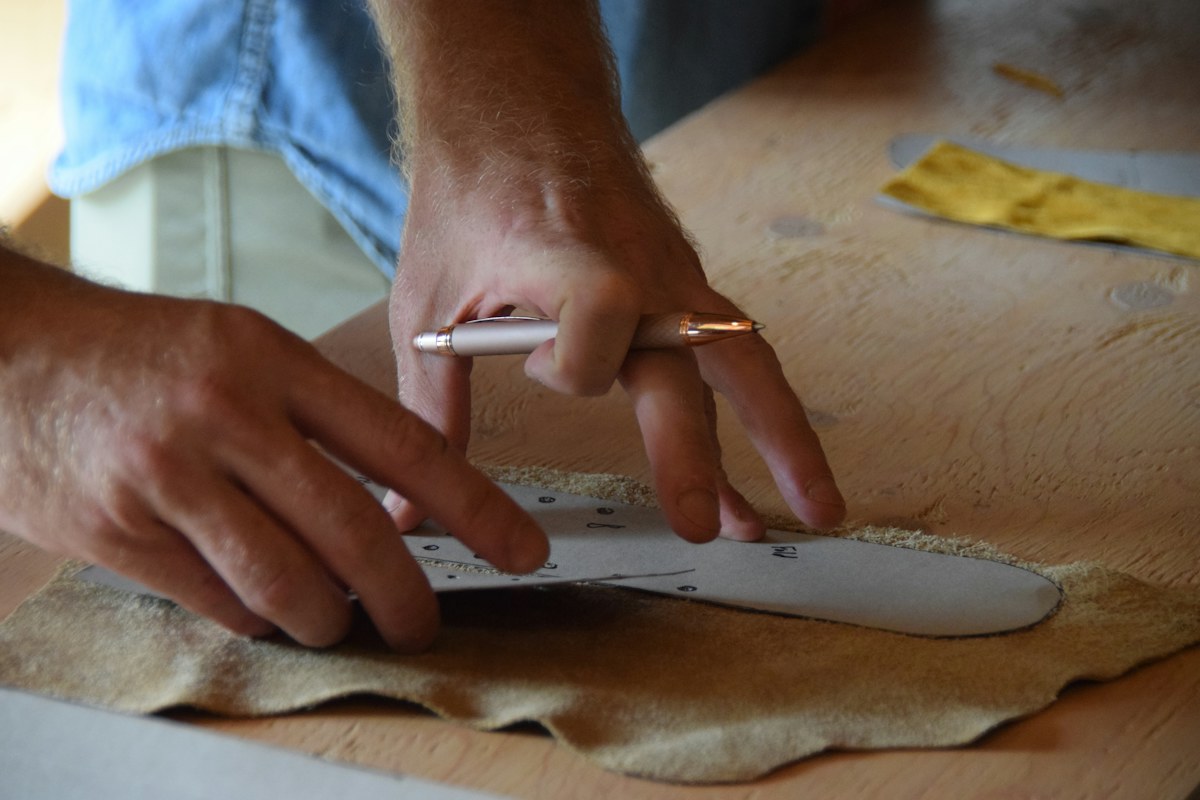
The Made in Italy meaning is more precise than most shoppers think. In fact, “Made in Italy” is a legal statement of origin, not a promise of quality. A stricter “100% Made in Italy” claim also has its own rules. This guide explains what each label really guarantees and how to shop smarter on your trip.
The short answer: under EU customs rules, a product counts as Italian if it comes wholly from Italy or had its last substantial processing there. So some parts may come from abroad. By contrast, “100% Made in Italy” means design, planning, processing and packaging all took place in Italy, and false use is a crime. For food, a DOP or IGP label is the strongest guarantee of origin.
Last updated: September 25, 2026
Made in Italy meaning at a glance
| Label | What it legally means |
|---|---|
| Made in Italy | Italian origin under customs rules: wholly obtained, or last substantial processing in Italy |
| 100% Made in Italy / tutto italiano | Design, planning, processing and packaging all in Italy |
| DOP (PDO) | Food made entirely in a defined Italian area under set rules |
| IGP (PGI) | Food with at least one key production stage in the named area |
| “Italian style”, “Italian design” | A description, not a statement of origin |
What “Made in Italy” means under customs rules
Origin labels follow EU customs law, and Italy applies it through its customs agency. First, under Article 60 of the Union Customs Code, goods that come wholly from one country take its origin. Second, when several countries take part, goods take the origin of the country of their last substantial, economically justified processing.
That processing must happen in a company equipped for it, according to the Italian Customs Agency (checked September 2026). In practice, a bag assembled in Italy from imported leather may qualify. However, detailed product rules decide what counts as “substantial”, and they vary by product.
The stricter “100% Made in Italy” claim
However, Italian law adds a higher tier. Article 16 of Decree-Law 135 of 2009, converted by Law 166 of 2009, defines a product “made entirely in Italy”. It qualifies only if its design, planning, processing and packaging all took place exclusively in Italy.
The same article also protects the wording “100% Made in Italy”, “100% Italia” and “tutto italiano”. Under the text of the decree, misuse carries the penalties of Article 517 of the Penal Code plus a third (checked September 2026). As a result, a “100%” claim is a stronger promise than the plain label.
Made in Italy meaning for food and wine
For food, the Made in Italy meaning is narrower than it looks. The plain origin label says little about where the raw ingredients came from. Instead, look for the EU quality marks:
- DOP: every stage happens in the named area, as with Parmigiano Reggiano or Prosciutto di Parma.
- IGP: at least one key stage happens there, as with Aceto Balsamico di Modena.
- DOC and DOCG: the controlled designations for wine.
Meanwhile, abroad you will also meet “Italian sounding” products: names, flags and colors that suggest Italy without any Italian origin. So read the label, not the packaging. For the classics, see our guide to Italian cheese. Then taste them at the source on the Parma food tour with Parmigiano and prosciutto.
Made in Italy Day and the 2023 law
In 2023, Italy passed a broad law to promote and protect its products. Law 206 of December 27, 2023 also created a national Made in Italy Day on April 15. The date marks the birthday of Leonardo da Vinci, as Panorama explains (checked September 2026). Schools, museums and companies hold events around the date, so spring visitors may find open workshops and exhibitions.
Made in Italy meaning for shoppers: how to buy smart
- Read the label and ask. A good shop will tell you where the item comes from and, often, who crafted it.
- Look for “100%” claims on leather and textiles. The claim carries legal weight, so it signals full Italian production.
- Visit the workshop. Many artisans in Florence, Naples and Venice work behind the shop; watching them is the best proof.
- Be wary of very low prices for “Italian leather” in tourist markets.
- Claim your VAT refund. Non-EU visitors can often reclaim VAT on larger purchases; see our guide to the VAT refund in Italy.
For leather, start with our guide to shopping for Italian leather. Then compare the outlets in Italy and our list of Italian shoe brands.
Watch Italian craft up close
In short, the Made in Italy meaning comes alive in the workshop. For example, watch glassblowers at work on a Murano and Burano tour from Venice. Similarly, car fans can book a Ferrari tour in Maranello. Meanwhile, food lovers can follow balsamic vinegar from barrel to bottle on the Modena balsamic vinegar tour.
Into design on four wheels? Our guide to Italian car brands explains who owns them and where to see them in Italy.
Made in Italy meaning: frequently asked questions
What does Made in Italy mean legally?
It is a statement of origin under EU customs rules. The product comes wholly from Italy, or its last substantial, economically justified processing happened there.
Can a Made in Italy product have foreign parts?
Yes. Components can come from abroad as long as the last substantial processing happened in Italy. Only a 100% Made in Italy claim requires every stage in Italy.
What does 100% Made in Italy mean?
Under Article 16 of Decree-Law 135/2009, design, planning, processing and packaging all took place exclusively in Italy. Misuse is a criminal offense.
Does Made in Italy guarantee quality?
Not by itself. It certifies origin, not quality. For food, DOP and IGP labels also set production rules.
What date is Made in Italy Day?
April 15, the birthday of Leonardo da Vinci. Law 206 of 2023 created it.
Meet the makers
See Italian craft up close
Compare workshop visits, food producer tours and glassblowing trips across Italy, with prices and ratings read on Viator.
Book it: experiences for this trip
Matched to this article by place and interest, then ordered by Viator rating and number of reviews (checked September 2026). Prices and availability are shown live on Viator.
Keep exploring Italy