
BLOG · Italy2Love Magazine Guide
Italian Wine Brands: 17 Producers by Region, and Which You Can Visit
The best-known Italian wine brands, region by region: flagship wines, history in each producer’s own words, and which wineries you can visit, checked September 2026.
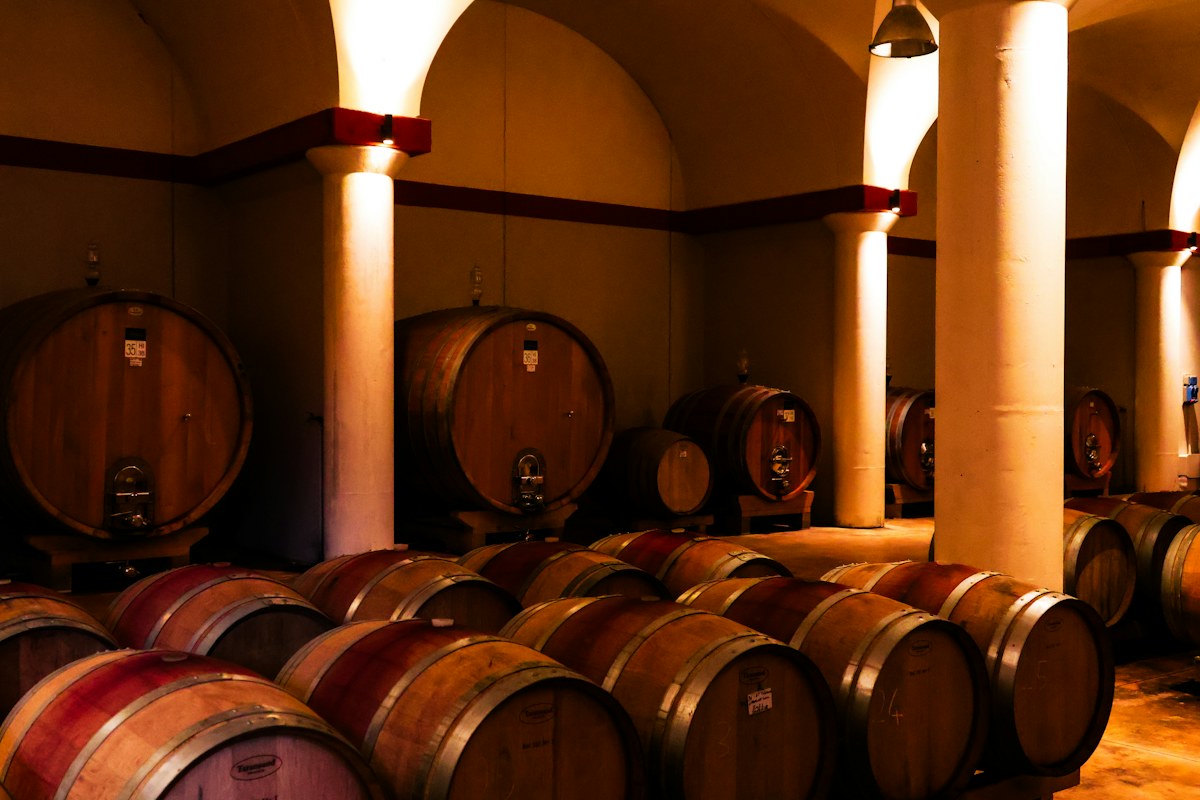
The short answer: the best-known Italian wine brands are family estates tied to one place: Antinori and Frescobaldi in Tuscany, Biondi-Santi and Banfi in Montalcino, Sassicaia in Bolgheri, Marchesi di Barolo and Pio Cesare in Piedmont, Masi and Allegrini for Amarone, Ferrari for sparkling wine, Planeta and Donnafugata in Sicily. Most of them welcome visitors, but two of the most famous, Biondi-Santi and Tenuta San Guido, do not offer tours. We checked every producer’s own website in September 2026.
Last updated: September 25, 2026
In Italy, a wine “brand” is almost always a family and a hill. The name on the label tells you who made the wine; the denomination (Barolo, Brunello di Montalcino, Amarone) tells you where. This guide lists 17 well-known producers, region by region, with the wine each one is famous for, how far back its history goes in its own words, and, the part other lists leave out, whether you can actually visit.
How we chose these 17 producers
This is not a ranking and no winery paid to be here. We included producers that meet three conditions: they make a flagship wine of a recognized Italian denomination; their history and visiting policy are stated on their own official website; and together they cover nine wine regions, from Piedmont to Sicily. Every fact below was read on the producer’s site on September 25, 2026. Where a site did not state something, we say so instead of guessing.
Italian wine brands at a glance
| Producer | Region | Known for | History, in its own words | Can you visit? |
|---|---|---|---|---|
| Marchesi Antinori | Tuscany | Tignanello, Solaia (Toscana IGT) | Since 1385, 26 generations | Yes |
| Frescobaldi | Tuscany | CastelGiocondo Brunello di Montalcino | 700 years, 30 generations | Yes |
| Biondi-Santi | Tuscany (Montalcino) | Brunello di Montalcino | 1888, first Brunello vintage | No |
| Tenuta San Guido | Tuscany (Bolgheri) | Sassicaia (Bolgheri Sassicaia DOC) | First vintage released: 1968 | No |
| Castello Banfi | Tuscany (Montalcino) | Poggio all’Oro Brunello Riserva | Estate bought in 1977 | Yes |
| Marchesi di Barolo | Piedmont | Barolo crus Cannubi and Sarmassa | Six generations | Yes |
| Pio Cesare | Piedmont | Barolo and Barbaresco “Pio” | Founded in 1881 | By appointment |
| Ferrari Trento | Trentino | Perlé, Giulio Ferrari (Trentodoc) | Since 1902 | Yes |
| Bortolomiol | Veneto | Valdobbiadene Prosecco Superiore DOCG | Founded in 1949 | Yes |
| Masi | Veneto | Costasera Amarone Classico DOCG | In Valpolicella since 1772 | Yes |
| Allegrini | Veneto | Amarone Classico DOCG, La Poja | In Fumane since the 1500s | Yes |
| Arnaldo Caprai | Umbria | 25 Anni Montefalco Sagrantino DOCG | Since 1971 | Yes |
| Masciarelli | Abruzzo | Villa Gemma Montepulciano d’Abruzzo Riserva | Founded in 1981 | Not stated |
| Feudi di San Gregorio | Campania | Taurasi, Greco di Tufo, Serpico | Since 1986 | Yes |
| Mastroberardino | Campania | Taurasi DOCG | Since the 1750s | Not stated |
| Planeta | Sicily | Wines from five Sicilian estates | Menfi, Vittoria, Noto, Etna, Capo Milazzo | Yes |
| Donnafugata | Sicily | Ben Ryé Passito di Pantelleria | Founded in 1983 | Yes |
Sources: each producer’s official website, checked September 25, 2026. Feudi di San Gregorio: feudi.com. Mastroberardino: the Istituto Grandi Marchi producers’ association, because the winery’s own site did not load during our check.
Tuscany: Chianti, Montalcino and Bolgheri
Tuscany has more famous names than any other region, and they split into three areas. Around Chianti Classico, between Florence and Siena, Marchesi Antinori traces its family in wine back to 1385 and makes Tignanello and Solaia, both labeled Toscana IGT. Antinori runs visits at several estates; the “Vintners” tasting at Antinori nel Chianti Classico lasts about 45 minutes and costs €30 per person (checked September 2026). Frescobaldi, a Florentine family that speaks of 700 years and 30 generations, owns nine Tuscan estates and offers visits to the underground cellars of Castello di Nipozzano, east of Florence.
South of Siena, Montalcino is the home of Brunello di Montalcino, made from Sangiovese. Biondi-Santi dates the first Brunello vintage to 1888, but its estate does not offer tours or tastings, as its website states. Castello Banfi, which bought its land in 1977, is the easy visit: its public tour with tasting costs €60 per person (checked September 2026).
On the coast, Tenuta San Guido makes Sassicaia, first planted with Cabernet Sauvignon in 1944 and first released with the 1968 vintage. It does not organize guided visits either, so plan Bolgheri as a scenic drive, not a cellar tour.
Book it: from Florence, the easiest way into these hills is a guided day: compare the Chianti wine tours from Florence or, for Brunello, the Montalcino wine tours from Siena and Florence. For more on the region’s wines, read our guide to the best wines of Tuscany.
Piedmont: Barolo and Barbaresco
Barolo comes from 100% Nebbiolo grapes grown in 11 villages of the province of Cuneo, according to the Langhe wine consortium. Marchesi di Barolo, in the village of Barolo itself, belongs to the family that took over the historic cellars in 1929; it is open to visitors every day from 10:30 am to 6 pm, as its website states. In Alba, Pio Cesare has made wine in the town center since 1881 and receives visitors by appointment, Monday to Saturday mornings.
Book it: compare the Barolo wine tours, a day trip from Milan or a private day in the Langhe. In the fall, the same hills host the Alba White Truffle Fair.
Veneto and Trentino: Amarone, Prosecco and sparkling wine
Amarone della Valpolicella comes from 19 municipalities in the province of Verona and is made mainly from Corvina and Rondinella grapes, according to the Valpolicella consortium. Masi, in Valpolicella Classica since 1772, is famous for Costasera and runs the Masi Wine Experience; Allegrini, in Fumane since the 16th century, offers guided tastings.
To taste it where it is made, our Valpolicella wine tour page compares two family wineries with transport from Verona with a tasting at one estate (checked September 2026).
North of Venice, the hills between Conegliano and Valdobbiadene make Prosecco Superiore DOCG. Bortolomiol, founded in Valdobbiadene in 1949, hosts visits at its Parco della Filandetta. Farther north, in Trento, Ferrari has made sparkling wine since 1902, under the Trentodoc name; its “Black&White” tour with tasting costs €35 (checked September 2026).
Book it: from Venice, compare the Prosecco hills wine tours. If you are in Venice for one evening only, a cicchetti and wine tour is the short version.
Umbria and Abruzzo: Sagrantino and Montepulciano
In Umbria, Arnaldo Caprai has farmed in Montefalco since 1971 and makes 25 Anni, a Montefalco Sagrantino DOCG; it offers seven visit formats every day. On the Adriatic side, Masciarelli, founded in 1981, makes Villa Gemma Montepulciano d’Abruzzo Riserva; its website did not describe public cellar visits when we checked.
Book it: the Montefalco winery and olive mill tour covers Sagrantino in two to three hours.
Campania and Sicily: Taurasi, Etna and Pantelleria
Inland from Naples, the hills of Irpinia make Taurasi, from Aglianico. Feudi di San Gregorio, at Sorbo Serpico since 1986, offers a winery tour with wine and local products for €45 (checked September 2026). Mastroberardino, in Atripalda, appears in the listings of the Istituto Grandi Marchi association as a family business dating to the 1750s.
In Sicily, Planeta farms five estates across the island, from Menfi to Mount Etna; its “Discover Planeta” visit in Menfi lasts an hour and costs €60 per person. Donnafugata, founded in 1983, is famous for Ben Ryé, a sweet wine from the island of Pantelleria, and runs visits in Marsala (€55) and on Pantelleria (€40), prices checked September 2026.
Book it: the Etna wine tour from Taormina visits two wineries on the volcano in one day.
How to read an Italian wine label
- DOCG (Denominazione di Origine Controllata e Garantita) is the strictest category: Barolo, Brunello di Montalcino and Amarone are all DOCG.
- DOC is the next level, with its own production rules: Bolgheri Sassicaia is a DOC.
- IGT (Indicazione Geografica Tipica) gives winemakers more freedom with grapes. Some celebrated wines, like Tignanello and Solaia, carry the IGT label.
- The producer is usually the biggest name on the label; the denomination tells you where the grapes grew.
Visiting Italian wineries: what to know
- Book ahead. Most estates take visitors by reservation only, and small ones may not open on weekends.
- Do not plan on the most famous names. Biondi-Santi and Tenuta San Guido do not offer visits; their neighbors in Montalcino and Bolgheri do.
- Nobody should drive after a tasting. A guided wine tour includes the driver; compare them by region in our guide to wine tours in Italy.
- Prices are per person, in euros. The ones above were read on each winery’s website in September 2026 and can change.
To see where these labels come from, read our guide to Italian wine regions, from the Langhe to Etna.
Frequently asked questions
What are the most famous Italian wine brands?
Among the best known are Marchesi Antinori (Tignanello), Frescobaldi, Biondi-Santi and Castello Banfi for Brunello di Montalcino, Tenuta San Guido (Sassicaia), Marchesi di Barolo and Pio Cesare in Piedmont, Masi and Allegrini for Amarone, Ferrari for sparkling wine, and Planeta and Donnafugata in Sicily.
Which famous Italian wineries can you visit?
Antinori, Frescobaldi, Castello Banfi, Marchesi di Barolo, Pio Cesare (by appointment), Ferrari, Bortolomiol, Masi, Allegrini, Arnaldo Caprai, Feudi di San Gregorio, Planeta and Donnafugata all offer visits, according to their websites in September 2026. Biondi-Santi and Tenuta San Guido do not.
What is the oldest Italian wine brand?
Of the producers on this list, Marchesi Antinori states the longest history: the family has been in the wine trade since 1385, across 26 generations. Frescobaldi speaks of 700 years and 30 generations.
What does DOCG mean on Italian wine?
DOCG stands for Denominazione di Origine Controllata e Garantita, the strictest Italian wine category. Barolo, Brunello di Montalcino and Amarone della Valpolicella are all DOCG wines.
How much does a winery tasting cost in Italy?
At the wineries on this list that publish prices, a basic visit with tasting costs from €30 at Antinori to €60 at Castello Banfi and Planeta, checked in September 2026. A guided wine tour with transport costs more, because it includes the driver and often lunch.
From the label to the vineyard
Taste these wines at the source
Compare wine tours in Chianti, Montalcino, the Langhe, the Prosecco hills, Montefalco and on Mount Etna.
Book it: experiences for this trip
Matched to this article by place and interest, then ordered by Viator rating and number of reviews (checked September 2026). Prices and availability are shown live on Viator.
Keep exploring Italy