
ART & HISTORY · Italy2Love Magazine Guide
The Last Supper by Leonardo da Vinci: Story, Details and How to See It (2026)
The Last Supper Leonardo painted in Milan: its story, why it is so fragile, what to look for in your 15 minutes and how booking works, checked September 2026.
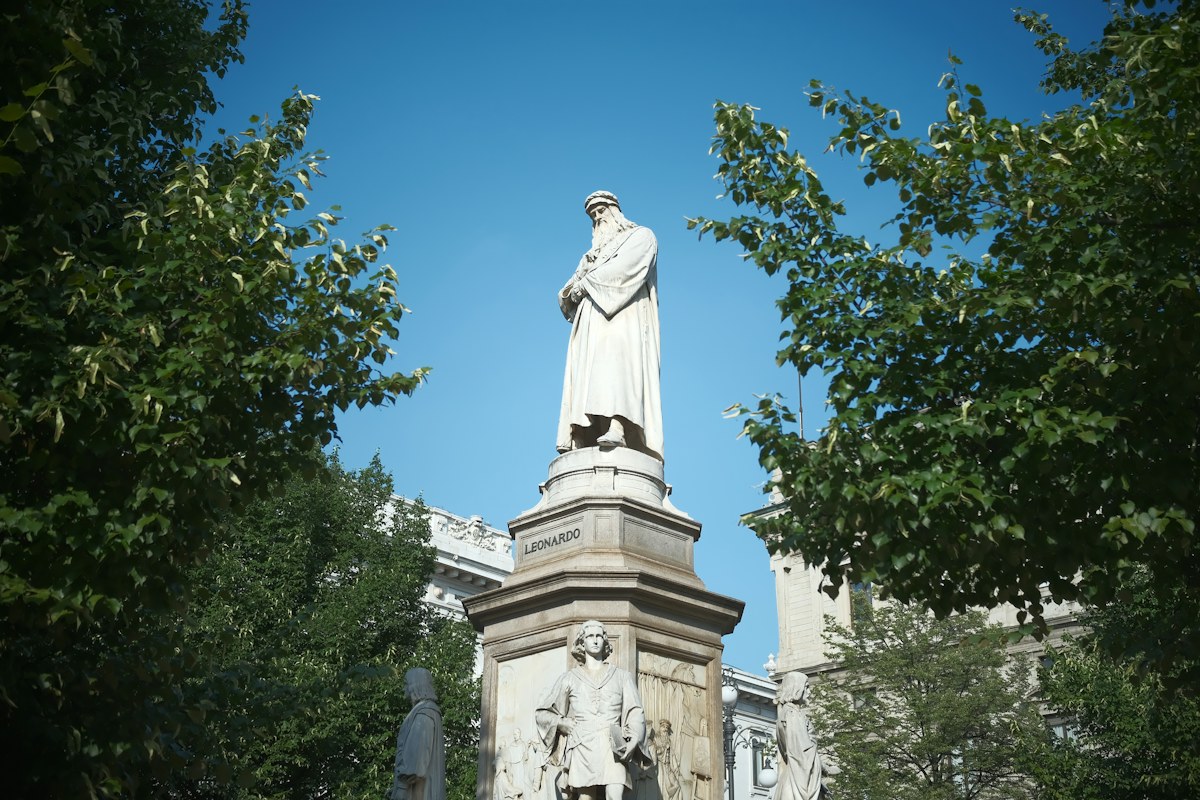
The Last Supper Leonardo da Vinci painted in a Milan dining hall is one of the most famous images in the world. It is also one of the hardest to see. It survived decay, war and centuries of bad repairs. In this guide, you will find its story, what to look for in your fifteen minutes and how booking works in 2026.
The short answer: Leonardo painted The Last Supper between about 1494 and 1498 on the refectory wall of Santa Maria delle Grazie in Milan. It is not a true fresco, which explains why it faded so fast. Today, you see it in groups of up to 40 people for 15 minutes, and every visitor needs a reservation. The official ticket costs €15 for adults aged 25 and over. Book as early as you can, because slots sell out.
Last updated: September 25, 2026
The Last Supper at a glance
| What | Details |
|---|---|
| Where | Refectory of Santa Maria delle Grazie, Milan |
| Painted | About 1494 to early 1498 |
| Technique | Dry wall painting, not true fresco |
| Size | 460 × 880 cm (about 15 × 29 feet) |
| UNESCO | World Heritage Site since 1980, with the church and convent |
| Visit | 15 minutes, up to 40 people at a time, reservation required |
| Official ticket | €15 (ages 25+), €2 (ages 18–24), free under 18 with a booking |
| Open | Tuesday to Sunday, 8:15 am to 7 pm; closed Mondays |
Ticket and opening details come from the official Cenacolo Vinciano museum site (checked September 2026).
The story behind the Last Supper Leonardo painted
Leonardo arrived in Milan in the early 1480s and worked for the city’s ruler, Ludovico Sforza, known as il Moro. Ludovico wanted Santa Maria delle Grazie to become a showcase for his family. As a result, the Dominican friars’ dining hall, the refectory, received a painting on its north wall.
The subject was traditional for a refectory: the friars ate their meals facing Christ’s last meal with the apostles. However, Leonardo broke with tradition. Earlier painters showed a calm, static table. By contrast, he chose a single dramatic instant and filled it with movement, so the scene works almost like a frame from a film.
According to the museum’s page on the work (checked September 2026), the painting measures 460 by 880 centimeters and dates from between 1494 and the beginning of 1498.
What to look for in the fifteen minutes
Fifteen minutes go fast, so arrive with a plan. First, look at the whole wall from the back of the room. Then move closer and follow these details:
- The moment. Christ has just said that one of the apostles will betray him. Each figure reacts, and the shock ripples outward along the table.
- Groups of three. Leonardo arranged the twelve apostles in four groups of three, two on each side of Christ.
- Judas. In older paintings, Judas sits alone on the near side of the table. Here, instead, he sits among the others, leaning back into shadow and clutching a small bag.
- The perspective. The lines of the ceiling and walls lead your eye to Christ’s head, framed by the window behind him.
- The opposite wall. Turn around before you leave. Giovanni Donato da Montorfano painted a large Crucifixion there in 1495, and it is in far better condition, because it is a true fresco.
Why the Last Supper is so fragile
True fresco means painting quickly on wet plaster, so the color binds with the wall. Leonardo, however, worked slowly and liked to revise. Instead, he painted on dry plaster, which let him build up detail and shading. The museum site confirms that he did not use the traditional fresco technique.
In other words, the Last Supper Leonardo left us was fragile from the start. The paint began to flake within decades. Later, humidity and clumsy restorations made things worse. Then, in August 1943, Allied bombs hit the convent. According to UNESCO (checked September 2026), the complex suffered severe damage, yet the painting survived.
Finally, a long restoration between 1978 and 1999 removed centuries of overpainting and dirt. Today, an air-treatment system protects the room, and the museum strictly controls access. That is why groups are small and visits are short.
How to visit the Last Supper: booking rules
The rules are strict, and the official site states them clearly (checked September 2026):
- Everyone needs a reservation, including infants and visitors who enter free.
- Tickets are for a fixed time. You cannot change the date or time, and there are no refunds.
- Each buyer can book online up to five tickets per calendar year.
- Arrive 30 minutes early. If you arrive late, you lose your ticket.
- Sales open in quarterly batches: in September for November to January, in December for February to April, in March for May to July and in June for August to October.
- Extra tickets appear every Wednesday at noon for the following week.
Our dedicated guide to Last Supper tickets explains the release calendar in detail and what to do when the official slots are gone.
Getting there and planning your day
Santa Maria delle Grazie is a short walk from the Cadorna and Conciliazione stops on metro line 1 (red). Cadorna also serves line 2 (green). Alternatively, tram 16 stops right outside. Leave large bags at your hotel, because the museum does not allow bulky luggage, food or drinks.
Also, remember the closing days: every Monday, January 1 and December 25. Many visitors pair the Last Supper with the Duomo on the same day. Our list of the best tours in Milan for first-timers shows how to combine them. Meanwhile, our guide to things to do in Milan covers the rest of the city.
Guided tours that include the Last Supper
If the official tickets sell out, a guided tour with the entry included is the reliable alternative. In addition, a good guide fills your fifteen minutes with context you would otherwise miss. Compare the options on our Last Supper tour page. Then, for the cathedral, see the Duomo and rooftop tour. For more Renaissance art across the country, browse our art and history guides and the Lombardy travel guide.
Plan the rest of Milan. Seeing Leonardo’s masterpiece takes fifteen minutes. Milan then deserves at least a day or two more.
- Milan itinerary: one, two or three days by area.
- Milan Duomo tickets: lift or stairs, which pass, hours and prices.
- Porta Nuova: the Bosco Verticale and modern Milan on foot.
- day trips from Milan: Lake Como, Bergamo, Verona and more.
Looking for a base in Milan? Compare places to stay below.
Affiliate links: if you book through them, Italy2Love earns a commission at no extra cost to you.
In addition, our guide to where to stay in Milan shows which base saves you the most time.
The Last Supper Leonardo painted: frequently asked questions
Where is The Last Supper by Leonardo?
It is on the wall of the former refectory of Santa Maria delle Grazie, a church and convent in the west of central Milan.
How long can you see The Last Supper?
Fifteen minutes, in groups of up to 40 people, according to the official museum site.
Do you need to book The Last Supper in advance?
Yes. Everyone needs a reservation, including children who enter free, and you cannot change or refund a ticket.
Is The Last Supper a fresco?
Not a true one. Leonardo painted on dry plaster rather than wet plaster, which is why the paint began to deteriorate so early.
Is The Last Supper open on Mondays?
No. The museum opens Tuesday to Sunday, 8:15 am to 7 pm, and closes on Mondays, January 1 and December 25.
Plan your Milan visit
See the Last Supper with a guide
Compare guided visits with the entry included, with prices and ratings read on Viator.
Book it: experiences for this trip
Matched to this article by place and interest, then ordered by Viator rating and number of reviews (checked September 2026). Prices and availability are shown live on Viator.
Keep exploring Italy