
ART & HISTORY · Italy2Love Magazine Guide
Italian National Anthem: History, Meaning and When You Will Hear It (2026)
The Italian national anthem explained: who wrote Il Canto degli Italiani in 1847, what the words mean, how it became official by law in 2017, the 2025 rules and where to hear it.
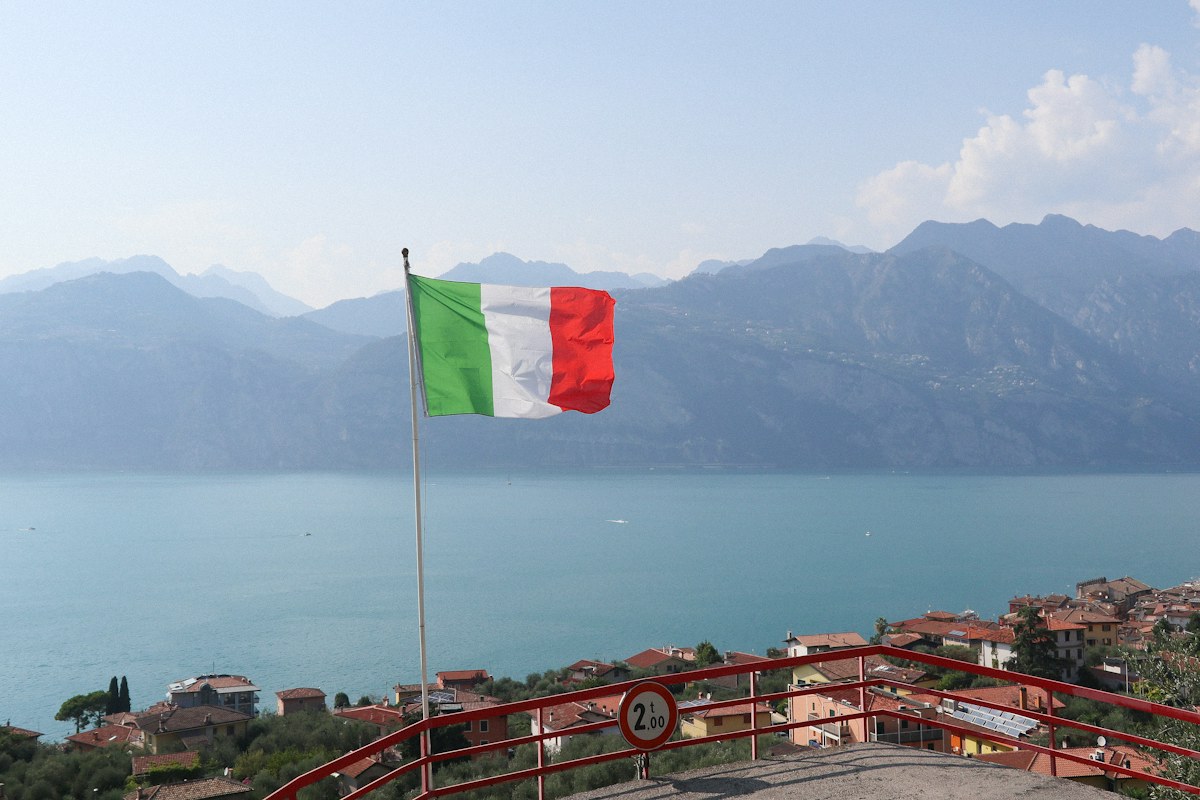
The Italian national anthem is Il Canto degli Italiani, “The Song of the Italians”, which most Italians simply call the Inno di Mameli or Fratelli d’Italia after its first words. Two young Genoese patriots wrote it in 1847. However, it only became the official anthem by law in 2017.
The short answer: Goffredo Mameli wrote the words in the fall of 1847, and Michele Novaro set them to music in Turin soon after. The Republic adopted the song as its anthem provisionally on October 12, 1946. Then Law 181 of December 4, 2017 made it official. In practice, you will hear the opening verse and chorus at sports events, national holidays and state ceremonies, and it is polite to stand.
Last updated: September 25, 2026
The Italian national anthem at a glance
| Question | Answer |
|---|---|
| Official title | Il Canto degli Italiani |
| Popular names | Inno di Mameli, Fratelli d’Italia |
| Words | Goffredo Mameli, fall 1847 |
| Music | Michele Novaro, Turin, 1847 |
| Anthem since | Provisionally October 12, 1946; by law since 2017 |
| Law | Law no. 181 of December 4, 2017 |
| Length | Six stanzas; usually only the first verse and chorus are sung |
Who wrote the Italian national anthem
Goffredo Mameli was a 20-year-old student and patriot from Genoa when he wrote the text. He wrote it in the fall of 1847, according to the Quirinale, the office of the President (checked September 2026). Shortly afterward, another Genoese, Michele Novaro, composed the music in Turin.
Mameli did not live to see a united Italy. He fought for the short-lived Roman Republic and died of an infected wound in Rome in July 1849, aged 21. Today his remains rest in the Garibaldi mausoleum on the Janiculum hill, above Trastevere.
What the words mean
The song opens with a call to unity: “Fratelli d’Italia, l’Italia s’è desta”, or “Brothers of Italy, Italy has awoken”. Then it draws on ancient Rome. For example, the first verse mentions the helmet of Scipio, the Roman general who defeated Hannibal, and it pictures Victory offering herself to Rome.
The chorus ends with “l’Italia chiamò”, “Italy has called”. Meanwhile, the later stanzas recall battles against foreign rule, from the Lombard League to the revolt of Genoa in 1746. The words date from 1847, so they are in the public domain. Still, the full text runs to six stanzas, and even most Italians only know the first.
How it became the official Italian national anthem
After the 1946 referendum that created the Republic, the government adopted the song provisionally on October 12, 1946. For the next 71 years, that temporary status never changed. Finally, Parliament passed Law 181 of December 4, 2017, which recognizes Il Canto degli Italiani as the national anthem, as published in the Gazzetta Ufficiale (checked September 2026).
In 2025, a presidential decree set rules for performing the anthem at official events. As a result, the shouted “Sì” that many people add at the end is now left out at state and military ceremonies, as Sky TG24 reported. That word is not in Mameli’s original text. At football matches, however, you will still hear crowds shout it.
When you will hear the Italian national anthem on a trip
- June 2, Republic Day: the military parade in Rome and ceremonies across the country.
- March 17: the day of National Unity, the Constitution, the Anthem and the Flag.
- Sports events: national team matches and big tournaments; for tennis in Rome, see our guide to the Italian Open.
- Official ceremonies: flag-raisings, state visits and remembrance days.
The etiquette is simple. Stand, stay quiet or sing along, and remove your hat. In addition, the anthem often plays alongside the flag; read the story of the Italian flag to understand the colors.
Places linked to the anthem
You can follow the anthem’s story through three cities. In Genoa, the birthplace of both authors, the Istituto Mazziniano keeps Mameli’s annotated first draft. Combine it with our guide to Genoa and a Genoa food tour. In Turin, where Novaro composed the music, the Museum of the Risorgimento covers the story of unification. Then pair it with a Turin food tour.
Finally, in Rome, walk up the Janiculum to the Garibaldi mausoleum and the terrace with its view over the domes. For the rest of the city, see our Rome travel guide and our list of the best tours in Rome.
Italian national anthem: frequently asked questions
What is the Italian national anthem called?
Its official title is Il Canto degli Italiani. Most Italians call it the Inno di Mameli or Fratelli d’Italia.
When did it become the official anthem?
It served provisionally from October 12, 1946. Law 181 of December 4, 2017 made it the official national anthem.
Who wrote the Italian national anthem?
Goffredo Mameli wrote the words in 1847, and Michele Novaro composed the music in Turin the same year. Both came from Genoa.
What does Fratelli d’Italia mean?
It means “Brothers of Italy”. The first line continues “l’Italia s’è desta”, meaning “Italy has awoken”.
Why do Italians shout “Sì” at the end?
It is a popular addition, not part of Mameli’s text. Under 2025 rules, official state and military ceremonies leave it out.
See the history for yourself
Walk through Italy’s story
Compare walking tours and guided visits in Rome, Genoa and Turin, with prices and ratings read on Viator.
Book it: experiences for this trip
Matched to this article by place and interest, then ordered by Viator rating and number of reviews (checked September 2026). Prices and availability are shown live on Viator.
Keep exploring Italy