
BLOG · Italy2Love Magazine Guide
Italian Mineral Water: How to Order It, Labels and Best-Known Brands (2026)
Italian mineral water explained: still or sparkling, how to order in a restaurant, what the label means, the brands you will see most and when tap water and Rome’s nasoni fountains are fine.
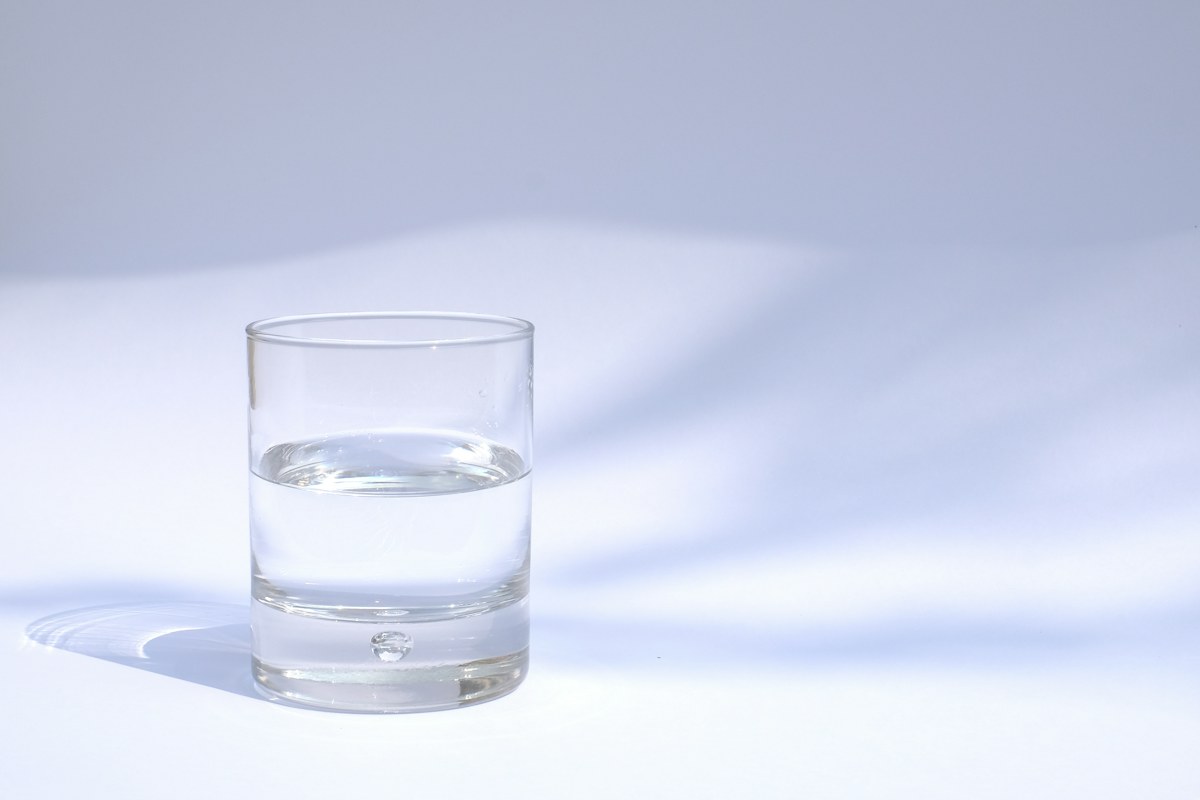
Italian mineral water is part of every meal in Italy: a bottle arrives at the table with the bread, and the first question the waiter asks is “still or sparkling?”. Italy has hundreds of springs and some of the best-known bottled water brands in the world. This guide explains how to order water in Italy, what the labels mean, the brands you will see most often, and when you can simply drink from the tap or a public fountain.
The short answer: in a restaurant, ask for acqua naturale (still) or acqua frizzante (sparkling); it comes in bottles and is charged on the bill. The brands you will meet most often include San Pellegrino, Acqua Panna, Ferrarelle and Levissima. Tap water is generally safe to drink in Italian cities, and Rome’s public nasoni fountains run with the same drinking water as homes.
Last updated: September 25, 2026
Italian mineral water at a glance
| What you say | What you get |
|---|---|
| Acqua naturale / liscia | Still water |
| Acqua frizzante / gassata | Sparkling water |
| Leggermente frizzante | Lightly sparkling |
| Effervescente naturale | Naturally sparkling water, with bubbles from the spring |
| Acqua del rubinetto | Tap water; not always offered in restaurants |
| Una bottiglia piccola / grande | A small (usually 0.5 l) or large (usually 0.75–1 l) bottle |
How to order water in an Italian restaurant
- Answer “naturale” or “frizzante”. The waiter will usually ask as soon as you sit down.
- Expect a bottle. Restaurants normally serve bottled mineral water, listed on the menu and charged on the bill.
- Ask for tap water if you prefer. Some places will bring a carafe of acqua del rubinetto, but not all do, and it is not a legal requirement to offer it everywhere.
- Ice is not automatic. Drinks come chilled but often without ice; ask for ghiaccio if you want it.
- At the bar, an espresso is often served with a small glass of water; you can ask for one.
For more everyday phrases, see our guide to basic Italian phrases, and for tipping and paying, our Italy travel tips.
What the label on Italian mineral water tells you
Every bottle of Italian mineral water lists its source and a chemical analysis. The figure to look at is the residuo fisso, the dry residue at 180 °C, which measures how much mineral content the water carries. Waters with a low residue taste light and neutral; those with a high residue taste more mineral, sometimes slightly salty. The label also shows the spring, the town where the water is bottled and whether the bubbles are natural or added.
The Italian mineral water brands you will see most
Supermarkets in Italy stock dozens of regional brands, but a handful appear on restaurant tables across the country.
- San Pellegrino: the famous sparkling water from San Pellegrino Terme, in the mountains north of Bergamo in Lombardy. The group that bottles it is part of Nestlé.
- Acqua Panna: a soft still water from Tuscany, often served together with San Pellegrino in restaurants, and part of the same group.
- Ferrarelle: a naturally effervescent water from Riardo, in the province of Caserta in Campania, recognizable by its gentle bubbles.
- Levissima: a light still water from the Alps of Valtellina, in Lombardy.
- Regional brands: you will also see Lurisia from Piedmont, Sangemini and Rocchetta from Umbria, Lauretana from the Biella area and many local springs; ordering the local water is part of the fun.
Tap water and public fountains in Italy
Tap water in Italy is treated and tested, and it is generally safe to drink in cities and towns; some local notices may apply, so follow any sign that says acqua non potabile, “not drinking water”. Many Italians still prefer bottled water for taste, which is why bottles dominate restaurant tables.
In Rome, look for the nasoni, the cast-iron street fountains installed from the 1870s. According to Wikipedia, there are roughly 2,500 to 2,800 of them, fed by the same supply as homes (checked September 2026). Block the bottom of the spout with your finger and water spurts up from a small hole on top, so you can drink without a cup. Carry a refillable bottle and you will rarely need to buy water while sightseeing. Our list of the best tours in Rome for a first visit can help you plan the day.
Keep eating like a local. Ordering water is your first small win at an Italian table. These guides cover the rest of the meal.
- tipping in Italy: the coperto, service charges and when to tip.
- coffee in Italy: how to order and what to drink at the bar.
- aperitivo in Italy: drinks, regional styles and etiquette.
- Italian food facts: what travelers should know before they eat.
Italian mineral water: frequently asked questions
How do I order water in Italy?
Ask for acqua naturale for still water or acqua frizzante for sparkling. Restaurants usually bring a bottle, which is charged on the bill.
Is tap water safe to drink in Italy?
Generally yes, in cities and towns. Follow any sign that says acqua non potabile, which means the water is not for drinking.
Why do Italian restaurants serve bottled water?
It is a long-standing habit and many diners prefer the taste of mineral water. You can ask for tap water, but not every restaurant offers it.
What are the most famous Italian mineral water brands?
San Pellegrino, Acqua Panna, Ferrarelle and Levissima are the ones you will see most, alongside many regional springs.
Can you drink from the fountains in Rome?
Yes. The nasoni street fountains carry the same drinking water as homes. Water that is not drinkable is marked non potabile.
Plan the food side of your trip
Eat and drink like a local
Compare food tours and cooking classes across Italy, with prices and ratings read on Viator.
Book it: experiences for this trip
Matched to this article by place and interest, then ordered by Viator rating and number of reviews (checked September 2026). Prices and availability are shown live on Viator.
Keep exploring Italy