
BLOG · Italy2Love Magazine Guide
Langhe, Italy: Travel Guide to Alba, Barolo and the Wine Hills
Plan a trip to the Langhe in Italy: where to stay, the best villages, Barolo and Barbaresco wineries, white truffles, transport and a 2–4 day itinerary.
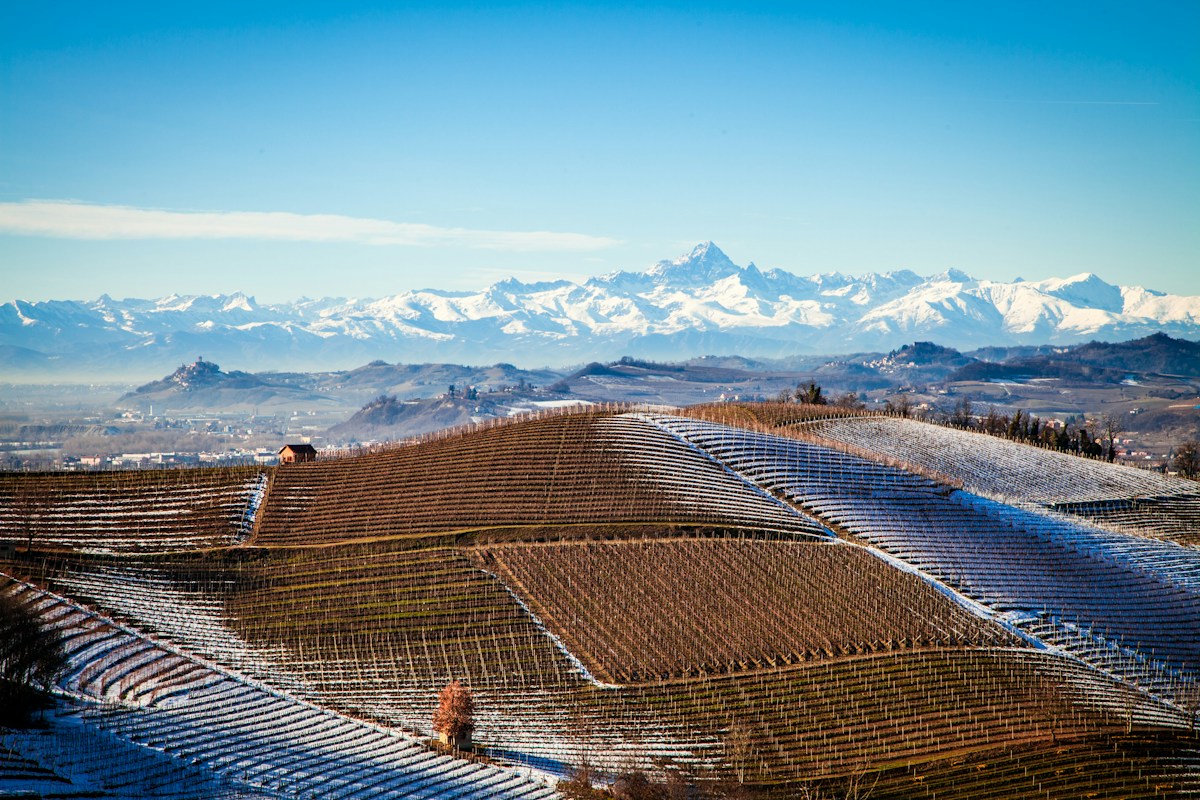
The Langhe in Italy are vineyard hills, medieval villages and hazelnut woods gathered around Alba in southern Piedmont. This is the country of Barolo and Barbaresco, white truffles, long lunches and roads that rise and fall between castles. It suits travelers who would rather understand one landscape deeply than collect several cities quickly.
The short answer: stay for at least two nights, and three or four if wine and food are the reason for your trip. Choose Alba for restaurants, trains and the fall truffle fair; La Morra or Barolo for vineyard views and Barolo wineries; or Barbaresco for a smaller, quieter base. A car or hired driver is the easiest way to explore the villages. Fall is the headline season, but late spring and early summer are calmer and greener.
Last reviewed: October 5, 2026
The Langhe at a glance
| Best for | Ideal stay | Best base | Best time | Do you need a car? |
|---|---|---|---|---|
| Wine, food, villages, truffles and landscape | 3 nights | Alba for convenience; La Morra or Barolo for vineyards | May–June and September–November | Yes for the hills; no for Alba itself |
Where are the Langhe in Italy?
The Langhe lie in the province of Cuneo, in the southern part of Piedmont in northwestern Italy. Alba is the principal town and the practical gateway. Turin is to the northwest, while Milan is farther east. The landscape begins to rise south of the Tanaro River into a succession of vineyard ridges, small towns and wooded valleys.
The names can be confusing. Langhe, Roero and Monferrato are neighboring territories, not synonyms. The Langhe are south and east of Alba and include the best-known Barolo and Barbaresco areas. Roero lies mainly north of the Tanaro, while Monferrato extends farther east. Together, parts of these wine landscapes form a UNESCO World Heritage Site.
UNESCO’s vineyard landscape includes five wine-growing areas and the Castle of Grinzane Cavour. The official Italian UNESCO commission identifies the Langa of Barolo, the hills of Barbaresco, Nizza Monferrato and Barbera, Canelli and Asti Spumante, Monferrato’s infernot, and Grinzane Cavour Castle. This recognition is about the relationship between wine culture, settlements and the shaped landscape—not simply the beauty of the vineyards.
Why visit the Langhe?
Most travelers arrive for Barolo, but the region works because several experiences reinforce one another. The vineyards explain the wine; the villages hold castles, enoteche and small restaurants; Alba connects truffle culture and regional food; and the roads open views across folds of hills toward the Alps on clear days.
- Wine: Barolo and Barbaresco are made entirely from Nebbiolo, but their villages, exposures and soils produce noticeably different wines.
- Food: tajarin pasta, agnolotti del plin, raw Fassona beef, hazelnuts, cheeses and truffles give the area one of Italy’s strongest regional tables.
- Villages: Barolo, La Morra, Monforte d’Alba, Serralunga d’Alba, Neive and Barbaresco are close on a map but should not be rushed.
- Landscape: vineyards, castles and hill roads make the journey between places part of the trip.
- Seasonal culture: harvest and white-truffle season turn fall into the busiest and most atmospheric period.
The best places to visit in the Langhe
Alba: the practical and gastronomic base
Alba is the easiest base without a car and the best choice for evenings on foot. Its compact center has medieval towers, the cathedral, shops, wine bars and a wide selection of restaurants. It is also the center of the white-truffle story. In 2026, the International Alba White Truffle Fair runs from October 10 to December 6; our Alba White Truffle Fair guide explains weekends, tickets and what to book.
Barolo: wine history and a compact village
Barolo is small enough to explore in a few hours, but it makes an effective base for wine travelers. The Falletti castle houses WiMu, the Wine Museum, and the village has producers, tasting rooms and restaurants within walking distance. Barolo DOCG comes from 100% Nebbiolo and can be produced in 11 municipalities, according to the wine consortium. The village is the symbolic center, not the whole denomination.
La Morra: the classic panorama
La Morra occupies one of the most panoramic positions in the Barolo zone. The Belvedere looks across vineyards and villages, making this a good first stop for understanding the geography. Below the town, the colorful Cappella delle Brunate—also called the Barolo Chapel—is an art landmark among the vines. La Morra works well for travelers who want boutique lodging and views, though evening choices are fewer than in Alba.
Monforte d’Alba: restaurants and an evening atmosphere
Monforte rises steeply from its lower town to an old center of stone lanes and a small open-air auditorium. It has enough restaurants and accommodation to work as a base, with quick access to the southern and eastern Barolo villages. The slopes require some walking, so check the exact location of your hotel.
Serralunga d’Alba: castle and narrow ridge
Serralunga is dominated by its tall medieval castle and sits along a narrow ridge. It feels smaller and more vertical than La Morra or Barolo. The surrounding vineyards are associated with structured, long-lived expressions of Barolo, but non-specialists can simply enjoy the castle, views and quiet streets.
Barbaresco and Neive: a quieter eastern route
Barbaresco is centered on a medieval tower overlooking the Tanaro and vineyard hills. Nearby Neive has a preserved historic core and works well as a small overnight base. This side of the Langhe is often calmer than the central Barolo villages. Give it a separate half-day rather than adding it to an already crowded Barolo route.
Grinzane Cavour: the UNESCO castle stop
Grinzane Cavour Castle is one of the six components of the UNESCO wine landscape and provides historical context for Piedmontese viticulture. It is also included in some guided wine itineraries. The Barolo & Castles Foundation offers a combined pass for Barolo, Serralunga, Roddi and Magliano Alfieri, but opening periods vary, so check the individual castle schedule before planning the day.
How to visit wineries in the Langhe
Do not arrive at a winery expecting an open tasting counter. Many Langhe producers are working estates and receive visitors by appointment. Two well-paced tastings in one day are usually enough, especially when cellar visits and conversation are included.
- Book ahead: reserve directly or through a tour, particularly during harvest and truffle season.
- Choose an area: keep one day around Barolo, La Morra and Monforte; use another for Barbaresco and Neive.
- Ask what is included: a tasting may cover only entry-level wines or include older vintages and vineyard-specific bottlings.
- Do not drive after tasting: the roads are narrow and winding. Use a designated driver, private driver or organized tour.
- Leave room for lunch: winery appointments and long meals make over-planned days collapse quickly.
Our guide to Barolo wine tours compares bases, seasons and tour formats without turning this territorial guide into a wine catalogue. If you want a bookable option, the Barolo wine tour in the Langhe compares a day from Milan with a private sommelier-led day for travelers already staying in the region.
White truffles and what to eat
White truffle season is the Langhe’s most famous food moment. Piedmont’s calendar opens white-truffle harvesting on October 1, and the Alba fair brings markets, tastings and events through the fall. A real hunt involves a licensed hunter and a trained dog; our guide to truffle hunting in Italy explains seasons, regions and what a credible experience includes.
Truffles should not overshadow the rest of the table. Look for tajarin, thin egg pasta; agnolotti del plin, small pinched pasta parcels; vitello tonnato; raw Fassona beef; braised beef with Barolo; local cheeses; and desserts made with Piedmont hazelnuts. Menus change with the season, which is part of the point.
The best time to visit the Langhe
| Season | Why go | What to expect |
|---|---|---|
| Spring | Green hills, walking, easier winery bookings | Changeable weather; quieter villages |
| Early summer | Long days, outdoor dining, clear landscapes | Warmer afternoons; less intense than fall |
| September | Harvest atmosphere and warm days | Wineries are working; appointments are essential |
| October–November | White truffles, fall color, Alba fair | Peak demand, fog and busy weekends |
| Winter | Quiet villages, food-focused stays | Short days and seasonal closures |
October is the classic choice, but not automatically the best for everyone. It brings harvest, truffles and color together, while also bringing higher prices and busy fair weekends. For a calmer trip, choose late May, June or September. Compare the season in our guides to Italy in fall, Italy in October and Italy in November.
How many days do you need in the Langhe?
Two days: the minimum
- Day 1: arrive in Alba, explore the center and eat locally.
- Day 2: take a driver or tour through La Morra and Barolo, with one or two winery visits.
Three days: the best first trip
- Day 1: Alba and Grinzane Cavour.
- Day 2: La Morra, Barolo and a winery appointment.
- Day 3: Barbaresco and Neive, or a truffle hunt in season.
Four days: the Slowxury version
Add an unhurried day around Monforte and Serralunga, a second producer, a long lunch, a walk or time at your hotel. The extra day prevents every village and tasting from becoming a timed stop. This is exactly the approach described in our guide to Slowxury and slow travel in Italy.
Where to stay in the Langhe
- Alba: best without a car, for restaurant choice and for the truffle fair. You still need transport for the wine villages.
- La Morra: best for views, vineyard lodging and a central Barolo-zone position.
- Barolo: best for walking to tasting rooms and the wine museum; very quiet after day visitors leave.
- Monforte d’Alba: best for a village atmosphere with strong dining options.
- Barbaresco or Neive: best for a quieter trip focused on the eastern Langhe.
- Countryside agriturismo: best for landscape and calm, but only with a car or arranged transfers.
Check the exact address before booking. A property described as “near Alba” may sit on a rural road where taxis are limited. If dinner and wine are priorities, staying within walking distance of restaurants—or arranging transfers in advance—matters more than a dramatic isolated view.
How to get to and around the Langhe
Alba is connected by rail, commonly via Turin, and works as the arrival point for travelers who do not want to rent a car immediately. Check current schedules for your date, especially on weekends. From Alba, public transport is not designed for an efficient circuit of wineries and hill towns.
A car gives the greatest freedom, but the route requires concentration: roads are narrow, visibility can fall in fog and tasting days need a designated driver. A private driver or guided tour costs more but solves the central conflict of a wine trip—you can taste without driving. A day trip from Milan is possible but long; staying in the Langhe gives the region a different rhythm. If Turin is part of the journey, use our guide to the best things to do in Turin.
Practical planning tips
- Reserve wineries, restaurants and drivers before fall weekends.
- Plan no more than two substantial tastings in one day.
- Keep the Barolo and Barbaresco sides on separate half-days or days.
- Bring shoes suitable for steep cobbled lanes and vineyard paths.
- Download maps before driving; mobile coverage can vary in the hills.
- Check seasonal opening days for castles, museums and restaurants.
- Expect fog in fall and winter, especially early and late in the day.
- Buy wine only after checking airline weight limits and import rules for your destination.
Staying overnight in the Langhe? Compare places to stay below, and see our guide to where to stay in the Langhe to plan the rest of the trip.
Affiliate links: if you book through them, Italy2Love earns a commission at no extra cost to you.
Langhe, Italy: frequently asked questions
Is Alba in the Langhe?
Yes. Alba is the main town and practical gateway to the Langhe, located close to both the Barolo and Barbaresco wine areas.
Are the Langhe the same as Piedmont?
No. Piedmont is the region; the Langhe are one territory within southern Piedmont. Roero and Monferrato are neighboring wine territories.
Do you need a car in the Langhe?
You can reach and explore Alba without one, but a car, driver or guided tour is the practical way to visit wineries and hill villages. Do not combine driving with wine tasting.
What is the best town to stay in?
Alba is best for convenience and restaurants. La Morra and Barolo are best for vineyard scenery and wine, while Barbaresco or Neive suit a quieter stay. Compare every option in our guide to where to stay in the Langhe.
When is truffle season in the Langhe?
White-truffle harvesting in Piedmont opens on October 1 under the regional calendar. October and November are the core visitor months, with the Alba fair running on selected dates through fall.
Planning sources
Landscape and territorial information was checked against the official Langhe Monferrato Roero Tourism Board, Visit Piemonte, the Italian UNESCO commission, the Barolo and Barbaresco wine consortium and the Barolo & Castles Foundation. Opening times, transport, tasting availability and event details can change; verify them before travel.
Plan your Langhe wine day
Compare Barolo experiences
Choose a day from Milan or a private sommelier-led tour for travelers already staying in the Langhe.
Book it: experiences for this trip
Matched to this article by place and interest, then ordered by Viator rating and number of reviews (checked October 2026). Prices and availability are shown live on Viator.
Keep exploring Italy