
BLOG · Italy2Love Magazine Guide
Etna Wine Tours: Contrade, North-Slope Villages and How to Choose (2026)
Etna wine tours explained: Etna DOC rules and grapes, contrade and altitude, the north-slope villages, Taormina vs Catania, tour vs driver vs self-drive and drink-drive limits.
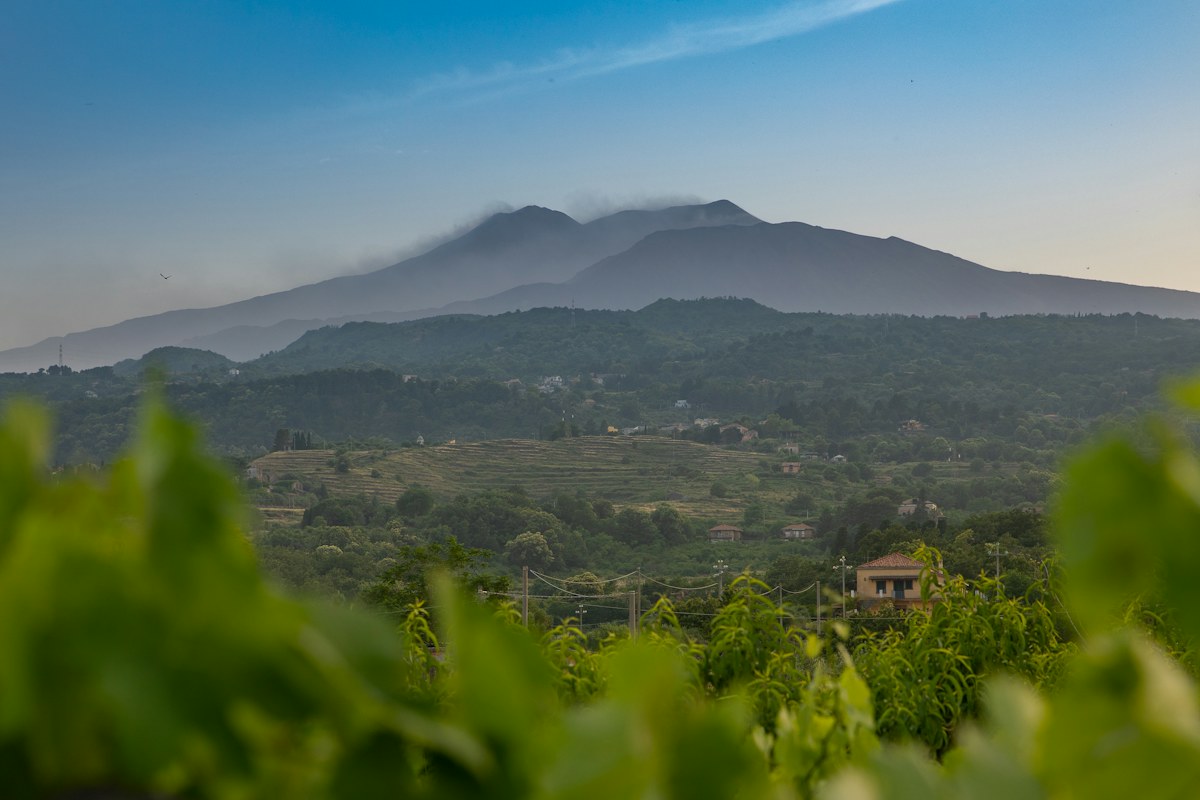
Etna wine tours take you to the vineyards on the slopes of Mount Etna, the active volcano behind Catania on the east coast of Sicily. This guide explains the Etna DOC wines, the grapes, the contrade and the north-slope villages where many wineries sit. It also helps you choose a base and decide between a guided tour, a private driver and your own car.
The short answer: for wine, the north slope is the classic area, and Taormina is the closer base. Catania suits travelers who want the south side and the craters. A guided tour or a private driver is the easiest way to taste, because wineries are spread along winding mountain roads. Self-drive works only with a driver who skips the wine: Italy’s limit is 0.5 g/l, and zero for new drivers. Also, expect reds from Nerello Mascalese and whites from Carricante.
Last updated: September 26, 2026
Etna wine at a glance
| What to know | |
|---|---|
| Appellation | Etna DOC, established in 1968, the first DOC in Sicily |
| Red grapes | Nerello Mascalese (at least 80% in Etna Rosso), Nerello Cappuccio (up to 20%) |
| White grapes | Carricante (at least 60% in Etna Bianco, 80% in Bianco Superiore), Catarratto |
| Riserva | Etna Rosso aged at least four years, one of them in wood |
| Contrade | 133 named districts that can appear on labels |
| Vineyard altitude | Up to about 900 m on the east slope, above 1,000 m on the southwest slope |
| Classic wine villages | Randazzo, Castiglione di Sicilia, Passopisciaro, Solicchiata, Linguaglossa |
| Easiest base | Taormina for the north slope, Catania for the south side |
What Etna DOC is, and why it matters on a tour
Etna wine has a long history, but the modern rules are fairly recent. Established in 1968, it was the first DOC in Sicily and one of the first in Italy, according to the Etna DOC consortium (checked September 2026). DOC, or Denominazione di Origine Controllata, is the Italian label that fixes where and how a wine is made.
The rules shape what you taste. Etna Rosso must contain at least 80% Nerello Mascalese, with up to 20% Nerello Cappuccio. Etna Bianco needs at least 60% Carricante, while the Bianco Superiore needs at least 80%. The Rosso Riserva ages at least four years, one of them in wood. All these figures come from the consortium’s wine pages (checked September 2026). There is also a rosato and a sparkling wine, both based on Nerello Mascalese.
In practice, most tastings pour a white, a red and often a rosato. Nerello Mascalese gives pale, perfumed reds with firm tannins. Carricante gives crisp, high-acid whites. As a result, many visitors compare Etna reds with Pinot Noir or Nebbiolo.
Contrade, altitude and volcanic soil
The word you will hear on every visit is contrada (plural contrade), a named countryside district. The consortium lists 133 of them, each reflecting its own soils, in its terroir overview (checked September 2026). A producer can print the contrada on the label. In other words, it works like a named vineyard area, similar to an MGA in Barolo.
Altitude matters just as much. The same page says vineyards reach 900 meters on the east slope and exceed 1,000 meters on the southwest slope. It also notes day-night swings of 20 to 25°C. Meanwhile, the soils change from one lava flow to the next: pebbly, gravelly, sandy or ash-based. For that reason, two wines from the same grape and the same producer can taste very different.
Ask your guide to pour two contrade side by side. It shows quickly why Etna wine tours focus on place rather than brands. Also look for the palmento, a traditional stone building for pressing and fermenting grapes.
The north slope: where most Etna wine tours go
The north slope is the heart of Etna wine country for many visitors. The villages follow the road that circles the volcano, between the mountain and the Alcantara valley. However, the consortium counts four slopes in total: north, east, southeast and southwest. So the north is the best-known area, not the only one.
- Randazzo: a medieval town of dark lava stone at the western end of the north slope.
- Passopisciaro: a small village in the middle of the north slope, surrounded by vineyards.
- Solicchiata: a hamlet close to Passopisciaro, with many estates along the main road.
- Castiglione di Sicilia: a hilltop town above the Alcantara valley, home to the consortium.
- Linguaglossa: the eastern gateway to the north slope and the road up to Piano Provenzana.
The east slope, above Milo and Zafferana Etnea, is the classic area for Carricante. By contrast, the southwest slope, around Biancavilla and Santa Maria di Licodia, is higher and hotter by day. If you want variety, pick a tour that visits two slopes rather than three wineries in the same village.
How to choose between Etna wine tours
Start with two questions: where do you sleep, and who drives? The answer decides which format works.
| Format | Best from | Best for | Main trade-off |
|---|---|---|---|
| Guided wine tour | Taormina or Catania | First-timers who want zero logistics | Fixed schedule and shared tastings |
| Volcano plus winery day | Catania or Taormina | Travelers with one day for Etna | Less time at each winery |
| Private driver | Taormina or a north-slope village | Couples and families who pick the estates | Higher cost, but nobody drives |
| Self-drive | A farm stay on the slopes | Travelers with a non-drinking driver | The driver cannot really taste |
Guided wine tours
Group and small-group tours usually visit one or two wineries, often with lunch or food pairings. For example, our page on the Etna wine tour from Taormina covers this format. Before you book, check the pickup point, the number of wineries and whether lunch is included.
Volcano plus winery
Many tours pair a short volcano stop with a winery lunch. This works well if you have only one day. However, you get less time on the mountain and at the estates. If the craters come first, see our guide to Mount Etna tours for jeep, cable car and hiking options. From the south side, see the Mount Etna tour from Catania, then plan a separate wine day.
Private driver or self-drive
A private driver lets you choose small estates and mix two slopes in one day. It costs more. However, it removes the driving question for the whole group. Self-drive works if you sleep on the slopes, for instance in an agriturismo, a working farm that hosts guests. Many small estates open only by appointment, so book tastings directly and ahead. Before you rent a car, read our guide to driving in Italy.
Drinking and driving in Italy: the legal limit
The general limit is 0.5 grams of alcohol per liter of blood. However, it drops to zero for drivers under 21, for drivers in their first three years with a license and for professional drivers. Both figures come from the Automobile Club d’Italia (checked September 2026). The roads around Etna are narrow, winding and often steep. So the only safe plan is a designated driver who does not drink at all.
Taormina or Catania as your base
Taormina sits on the coast north of Etna, so the north-slope villages are the natural wine day from there. It also has many tour departures. On the other hand, it is busy and expensive in high season.
Catania lies at the foot of the volcano on the south side. It has the airport and the best transport links. As a result, it suits travelers who want the craters first and wine second. A north-slope wine day is still possible from Catania, but the drive around the mountain is longer.
Inside the wine area, public transport does not reach most estates. In practice, you need a tour, a driver or a car. For the wider island, see our guide to Sicily tours and the Sicily travel guide.
When to go: harvest, fall and the volcano
Fall is a popular season for Etna wine tours. The harvest on Etna usually runs later than on the coast, because many vineyards sit high up. However, the exact dates change every year with the weather. During the vendemmia, the grape harvest, small estates get busy. So book tastings ahead.
Spring and early summer bring green vineyards and easier bookings. Winter is quieter, and snow can cover the upper slopes. Finally, Etna is an active volcano, listed by UNESCO as a World Heritage site since 2013 (checked September 2026). Eruptions rarely affect the vineyards directly. However, ash can disrupt Catania airport and roads, so keep your plans flexible.
Book your Etna wine day
Compare our pages on Etna wine tours and nearby experiences, then match them to your base:
- Etna wine tour from Taormina: the direct route to the north-slope wineries.
- Mount Etna tour from Catania: the volcano from the south side.
- Syracuse and Ortigia tour: a good second day on the east coast.
Want more of Sicily? See our list of things to do in Sicily. Want to compare wine regions? See Barolo wine tours and Montalcino wine tours, or browse all our wine tours in Italy.
Etna wine tours: frequently asked questions
Where should I stay for Etna wine tours?
Taormina is the most practical base for the north slope, where many wineries sit. Catania suits travelers who want the craters and the south side first.
What grapes are used in Etna wine?
Etna Rosso is mainly Nerello Mascalese, with up to 20% Nerello Cappuccio. Etna Bianco is mainly Carricante, often blended with Catarratto.
What is a contrada on an Etna wine label?
A contrada is a named countryside district. The consortium lists 133 of them, and producers can print the name on the label to show where the grapes grew.
Can I combine a wine tour with a visit to the craters?
Yes, many tours pair a short volcano stop with a winery lunch. If the craters are your priority, book a dedicated Etna tour and plan a separate wine day.
Can I drive myself between Etna wineries?
Only with a designated driver who does not drink. Italy’s limit is 0.5 g/l, and zero for drivers under 21 or in their first three years with a license.
Plan your days in Sicily
Find your Etna wine tour
Compare wine tours on the slopes of Etna and volcano excursions from Catania and Taormina, with prices and ratings read on Viator.
Book it: experiences for this trip
Matched to this article by place and interest, then ordered by Viator rating and number of reviews (checked September 2026). Prices and availability are shown live on Viator.
Keep exploring Italy