BLOG · Italy2Love Magazine Guide
Parma Food Tours: Parmigiano Dairies, Parma Ham, Culatello and Balsamic, Explained (2026)
What you actually see on Parma food tours, from the Parmigiano Reggiano dairy to Parma ham and balsamic lofts, plus how to choose half or full day, with rules checked September 2026.
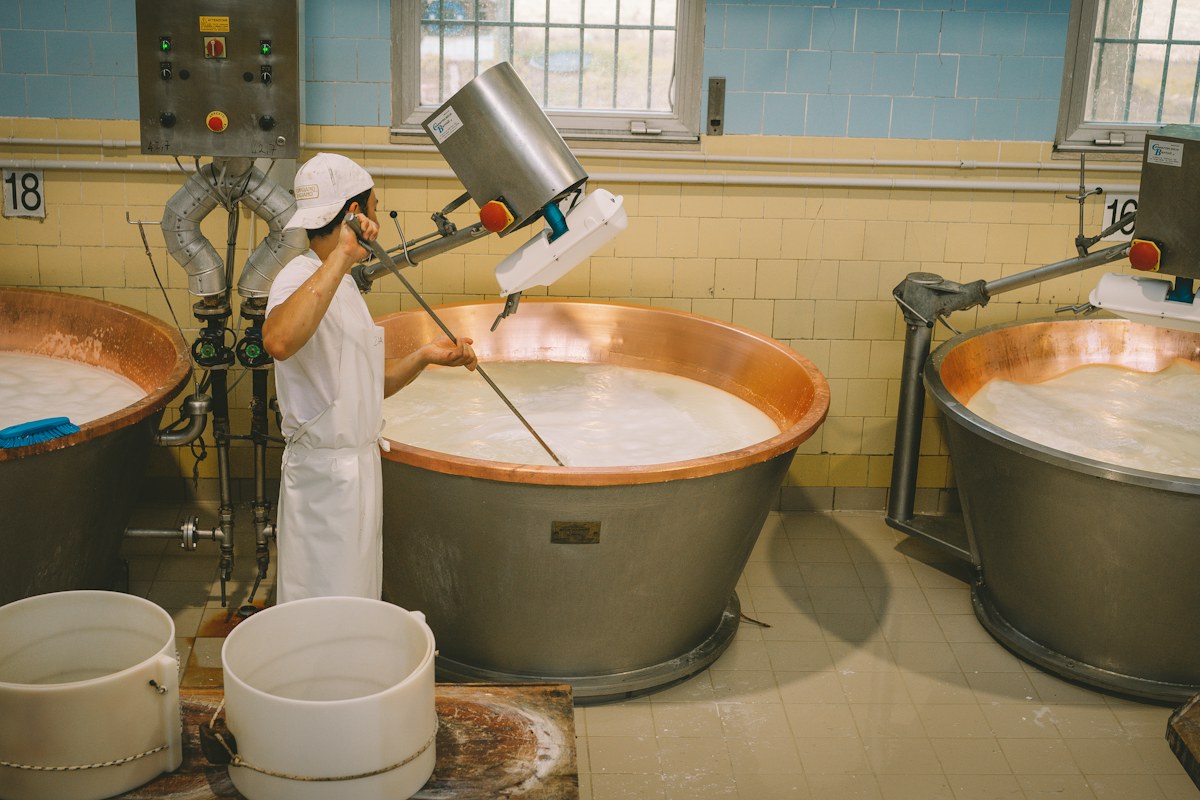
Parma food tours take you inside the places where three of Italy’s most copied foods are made: a Parmigiano Reggiano dairy, a Prosciutto di Parma curing house and, a short drive east, a traditional balsamic vinegar loft. This guide explains what you actually see at each stop, how to choose between a half day and a full day, and whether to start from Parma or Bologna.
The short answer: for the full picture, choose a full-day producers tour that visits a Parmigiano Reggiano dairy in the morning, a Parma ham maker and a balsamic vinegar loft near Modena. With only a morning, a dairy visit plus ham tasting covers the two icons of Parma. Base yourself in Parma if you want the earliest dairy slot; start from Bologna if that is where you are staying. In either case, check the day of the week first, because Sundays and holidays can change what you can see.
Last updated: September 26, 2026
Parma food tours at a glance
| Tour type | What you see | Who it suits | Plan around |
|---|---|---|---|
| Dairy visit (half day) | Cheese being made in copper vats, then the aging warehouse | Travelers with one free morning | A very early start |
| Dairy plus Parma ham (half or full day) | Cheesemaking, then curing rooms in the hills south of Parma | First-time food travelers | Driving between producers |
| Full food valley day | Cheese, ham and a balsamic vinegar loft near Modena | Serious food lovers | A long day, often with lunch |
| Culatello visit | Cellars in the flat, foggy lowlands near the Po river | Repeat visitors and cured-meat fans | Fewer operators offer it |
| Parma city food walk | Delis, shops and tastings in the old town | Travelers without a car or much time | You taste the products but do not see production |
How this table is built: by format and by the kind of traveler each one fits, not by ranking operators. As a result, you can apply it to any company you compare.
Why Parma is the center of the food valley
Parma sits on the Via Emilia, the old Roman road that crosses the plain toward Reggio Emilia, Modena and Bologna. The strip of farmland around it is often called the food valley. In fact, the two foods most visitors come for, Parmigiano Reggiano and Prosciutto di Parma, are both made within a short drive of the city center.
According to Parma Welcome, the city tourist office (checked September 2026), Parma joined the UNESCO Creative Cities Network as a City of Gastronomy in 2015.
Stop one: the Parmigiano Reggiano dairy
This is the stop that makes Parma food tours worth the early alarm. Cheesemakers work with the milk soon after it arrives, so the action happens in the morning.
What happens in the dairy
According to the Parmigiano Reggiano production specification (checked September 2026), the milk from the evening and morning milkings must reach the dairy raw within two hours of each milking. It then curdles in bell-shaped copper vats with a natural whey starter and calf rennet. Each vat makes up to two wheels. On a visit, you typically watch the curd being lifted out in cloth, split in two and set into molds.
The aging warehouse
Next, you walk into the warehouse, where thousands of wheels sit on tall wooden shelves. The Parmigiano Reggiano consortium (checked September 2026) sets a minimum aging of 12 months. It also limits production to the provinces of Parma, Reggio Emilia, Modena, Bologna west of the Reno river and Mantua south of the Po. Finally, most visits end with a tasting of cheeses at different ages.
If you prefer to go on your own, the consortium runs a booking page for guided dairy visits. However, you will need a car, because most dairies sit in the countryside.
Stop two: Prosciutto di Parma
Parma ham comes from a small, clearly drawn area. According to the Prosciutto di Parma specification (checked September 2026), it is cured in the province of Parma, at least 5 km south of the Via Emilia and up to 900 meters above sea level, between the Enza and Stirone rivers. The same document sets a minimum curing period of 14 months. Many older guides still say 12 months, but the rule changed.
On a visit, you usually see long rooms of hams hanging in rows, then taste slices cut in front of you. For a tour that covers both cheese and ham, see our page on the Parma food tour with Parmigiano and prosciutto.
Culatello di Zibello: the insider stop
Fewer tours include culatello, yet it is the cured meat locals often rank highest. It is made from the most prized part of the pig’s hind leg and aged in cellars. According to the Culatello di Zibello consortium (checked September 2026), authentic Culatello di Zibello DOP comes only from eight localities in the province of Parma, including Zibello, Busseto, Soragna and Colorno.
Unlike Parma ham, it comes from the flat, foggy lowlands near the Po river, not the hills. As a result, a culatello visit suits travelers who already know prosciutto and want something rarer.
Stop three: traditional balsamic near Modena
Many full-day Parma food tours finish in the Modena area at an acetaia, a vinegar loft where small wooden barrels age under the roof. Here, the key lesson is the difference between two similar labels.
- Aceto Balsamico Tradizionale di Modena DOP: according to the traditional balsamic consortium (checked September 2026), it is made only from cooked grape must, aged in a series of barrels of different woods, with nothing else added. It ages at least 12 years, or at least 25 years for the extravecchio version.
- Aceto Balsamico di Modena IGP: the everyday version, which also contains wine vinegar. It is fine for salads, but it is a different product.
In short, look for the small bottle designed by Giorgetto Giugiaro, with a numbered seal and the DOP logo. For a focused visit, see the Modena balsamic vinegar tour.
How to choose the right Parma food tour
Three questions decide most of it. First, how much time do you have? Then, where are you sleeping? Finally, do you want to see production or simply taste?
Half day vs full day
A half day usually covers a dairy and one more stop, often ham. It leaves your afternoon free for Parma itself. By contrast, a full day adds balsamic and lunch, and it gives you the whole chain in one go.
From Parma vs from Bologna
Starting in Parma puts you minutes from the dairies, which matters when cheesemaking starts early. From Bologna, the drive is longer, so pick a tour that states pickup or a meeting point there. For city food walks and pasta classes in Bologna itself, see our guide to the best food tours in Bologna and the Bologna food tour page.
Days of the week
Dairies do not follow a tourist calendar. Before booking, check whether cheesemaking takes place on your chosen day, especially on Sundays and public holidays. Some visits on those days may show only the warehouse and the tasting.
Practical tips for Parma food tours
- Expect an early start. Dairy visits often begin in the early morning, so plan a light breakfast and an early night.
- Bring a layer. Aging rooms and curing rooms can feel cool, even in summer.
- Wear closed, flat shoes. Dairy floors are often wet, and some producers may ask you to wear shoe covers or a disposable coat.
- Plan how to carry food home. Many producers sell vacuum-packed cheese and ham, but check your home country’s customs rules before you buy.
Related guides and experiences
To make pasta after the tour, the Bologna cooking class is a natural pairing. For cars instead of cheese, the same plain is home to Ferrari, Lamborghini and Ducati: see our guide to the Motor Valley in Italy. For sightseeing in the region’s capital, read things to do in Bologna.
To go deeper on the cheese itself, see our guide to Italian cheese. Meanwhile, for food experiences in other cities, browse the food tours in Italy hub.
Parma food tours: frequently asked questions
What do you see on a Parma food tour?
Usually a Parmigiano Reggiano dairy where cheese is made in copper vats, the aging warehouse, a Prosciutto di Parma curing house and, on full-day tours, a traditional balsamic vinegar loft near Modena.
Why do Parma food tours start so early?
Cheesemakers work with the fresh milk in the morning. To watch the curd being lifted from the copper vats, you need to arrive early.
How long is Prosciutto di Parma aged?
At least 14 months under the current production specification of the Prosciutto di Parma consortium. Parmigiano Reggiano ages at least 12 months.
Can I visit a Parmigiano Reggiano dairy without a tour?
Yes. The Parmigiano Reggiano consortium has a booking page for guided dairy visits, but you will need your own transport to reach the countryside.
Is it better to take a Parma food tour from Parma or from Bologna?
From Parma if you want to be close to the dairies for the early start. From Bologna if you are staying there, as long as the tour includes transport.
Taste the food valley at the source
Find the right Parma food tour
Compare dairy visits, Parma ham tastings and balsamic vinegar tours in Parma and Modena, with prices and ratings read on Viator.
Book it: experiences for this trip
Matched to this article by place and interest, then ordered by Viator rating and number of reviews (checked September 2026). Prices and availability are shown live on Viator.
Keep exploring Italy