BLOG · Italy2Love Magazine Guide
Best Food Tours in Bologna: City Walks, Parma and Modena Producers, Pasta Classes (2026)
How to choose among the best food tours in Bologna: city food walks, Parmigiano, prosciutto and balsamic producers days, and pasta classes, with consortium rules checked September 2026.
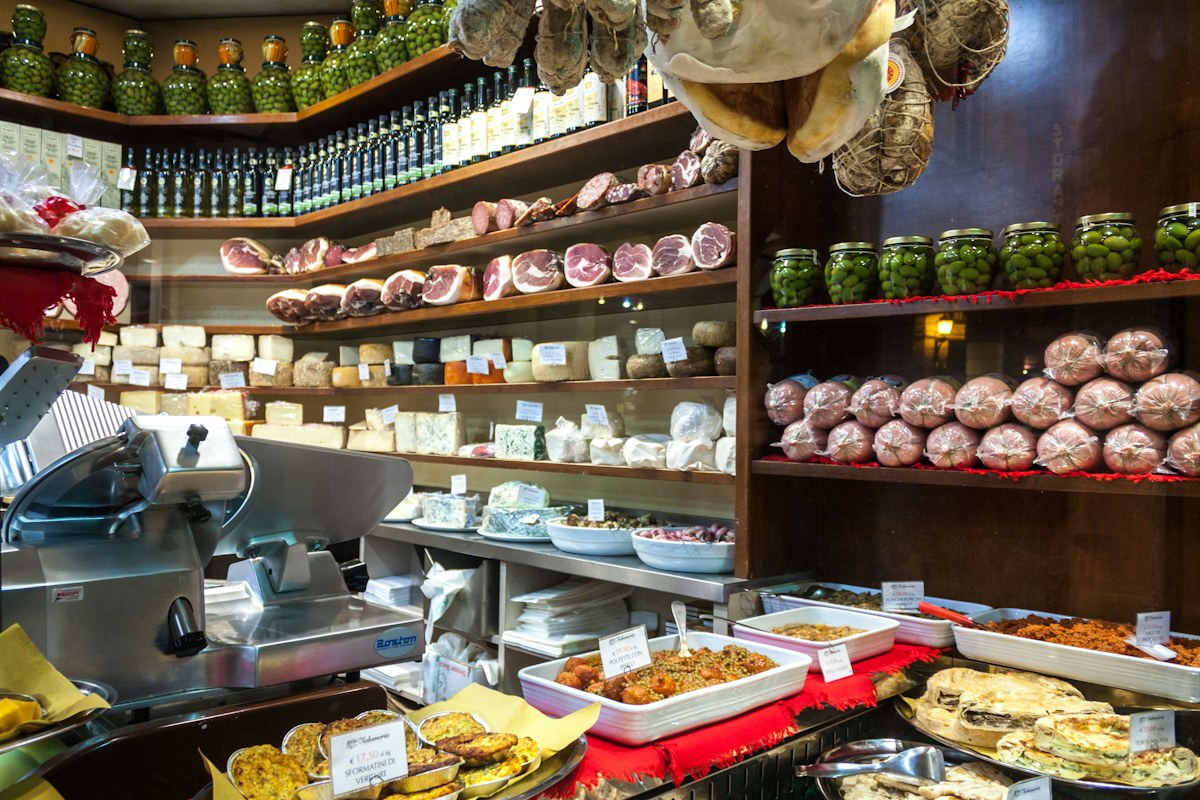
The best food tours in Bologna fall into three types: a food walk through the city center, a producers day in the Emilia “food valley”, and a hands-on pasta class. Each one also shows a different side of the region behind Parmigiano Reggiano, Prosciutto di Parma and traditional balsamic. This guide explains which to choose, what the protected labels mean, and how to plan the day.
The short answer: with one free morning, take a Bologna city food walk through the old market streets. With a full day, choose a producers tour that visits a Parmigiano Reggiano dairy, a Prosciutto di Parma maker and a traditional balsamic vinegar loft. If you want to learn a skill, book a cooking class for tagliatelle and tortellini. Many food lovers combine the walk and the class, then add the producers day if time allows.
Last updated: September 26, 2026
Bologna food experiences at a glance
| Format | Best for | Where | What you taste or learn | Plan around |
|---|---|---|---|---|
| City food walk | First-time visitors with limited time | Bologna old town, around the Quadrilatero | Mortadella, cured meats, Parmigiano, fresh pasta, gelato | Busy lunchtime crowds |
| Food valley producers day | Serious food lovers | Countryside around Parma, Reggio Emilia and Modena | Cheese, ham and balsamic vinegar at the source | An early start and a full day |
| Cooking class | Couples, families, repeat visitors | Bologna | Rolling pasta by hand: tagliatelle, tortellini | Less walking, less of the city |
| Balsamic vinegar visit | Travelers who already know the cheese | Modena area | How traditional balsamic ages over years | Pairs well with a Modena afternoon |
How we sort these options: by format and by the kind of traveler each one fits, not by ranking operators. As a result, you can apply the table to any company you compare.
How to choose among the best food tours in Bologna
In practice, two things decide most of it: your time and your appetite for early mornings. First, count your free days in Bologna. Then decide whether you want to see how food is made, or simply eat well.
- Half a day or less? A city food walk fits easily around sightseeing.
- A whole free day? In that case, the producers day is the most distinctive option, because the three foods come from places close to each other.
- Traveling with children? A pasta class usually wins, since kids get flour on their hands and eat what they make.
- Rainy day? Also choose the class, which happens indoors.
Note that this guide covers food experiences only. For the towers, porticoes and churches, see our guide to things to do in Bologna.
The Bologna city food walk
Most city walks start in the Quadrilatero, the grid of narrow medieval streets just off Piazza Maggiore. Here delis, butchers and fresh pasta shops have traded for centuries. Today, many also serve tastings over the counter. A typical walk later moves on to a covered market, a wine bar and a gelato shop.
First, expect mortadella, the large, finely ground pork sausage the city is known for, alongside other cured meats and aged Parmigiano. In addition, many walks include a plate of fresh pasta or crescentine, small fried dough puffs served with salumi. For a guided option, see our page on the Bologna food tour.
Overall, this format suits travelers who want to taste a lot without leaving the city. However, it cannot show you how the cheese, ham or vinegar is made. For that, you need the countryside.
A producers day in the Emilia food valley
The flat land between Bologna and Parma along the ancient Via Emilia is sometimes called Italy’s food valley. As a result, in one day a producers tour can show you three protected foods at the source. Here is what each stop teaches.
Parmigiano Reggiano dairy
Parmigiano Reggiano comes from a strictly defined area. According to the Parmigiano Reggiano consortium (checked September 2026), milk production, cheesemaking, the minimum 12-month aging and packaging all take place only in the provinces of Parma, Reggio Emilia, Modena, Bologna west of the Reno river and Mantua south of the Po. Because cheesemakers work early in the morning, dairy visits start early too. The consortium also runs a booking page for guided dairy visits, useful if you want to go on your own.
Prosciutto di Parma
Prosciutto di Parma is cured in the hills south of Parma. The rules recently became stricter: according to the Prosciutto di Parma consortium (checked September 2026), the minimum curing period rose from 12 to 14 months, and the maximum salt content fell from 6.2% to 6%. On a visit, you then usually walk through the curing rooms and taste slices cut in front of you.
Traditional balsamic vinegar of Modena
The third stop is often an acetaia, a vinegar loft where small barrels age under the roof. For a focused visit, see the Modena balsamic vinegar tour. For a day that bundles cheese and ham, compare the Parma food tour with Parmigiano and prosciutto.
Traditional balsamic vs the supermarket kind
This is the detail most travelers miss, and it changes what you should buy. In fact, there are two different protected products with similar names.
- Aceto Balsamico Tradizionale di Modena DOP: according to the traditional balsamic consortium (checked September 2026), producers make it only from cooked grape must, aged in a series of wooden barrels, with nothing else added. It ages at least 12 years, or at least 25 years for the extravecchio version, and comes in a small bottle designed by Giorgetto Giugiaro.
- Aceto Balsamico di Modena IGP: the everyday version, which also contains wine vinegar and ages for much less time. It is fine for salads, but it is a different product.
In short, look for the small Giugiaro bottle with a numbered seal and the DOP logo. For more on protected cheeses, read our guide to Italian cheese.
Cooking classes: tagliatelle and tortellini by hand
Bologna is the capital of fresh egg pasta, and a class is the best way to understand why. Most classes teach you to roll a thin sheet of dough, the sfoglia, with a long rolling pin. Then you cut it into tagliatelle, the ribbon pasta served with ragù, or fold it into tortellini, the tiny filled pasta traditionally served in broth.
Above all, choose a class if you enjoy cooking at home or want a slower day. Also, it is a good match for a Sunday or a rainy afternoon. See our page on the Bologna cooking class, or compare other cities in our guide to cooking classes in Italy.
What you will eat on Bologna food tours
- Tagliatelle al ragù: egg ribbons with a slow-cooked meat sauce. In fact, Bologna serves ragù with tagliatelle, not spaghetti.
- Tortellini in brodo: small filled pasta in meat broth, a winter and holiday classic.
- Lasagne verdi: green spinach pasta layered with ragù and béchamel.
- Mortadella: for example, sliced thin on bread or cubed with an aperitivo.
- Parmigiano Reggiano: often served in chunks with a drop of aged balsamic.
- Lambrusco: the lightly sparkling red wine of Emilia, which cuts through rich food.
For more background on Italian dishes and their rules, see our Italian food facts.
Planning tips for the best food tours in Bologna
- Eat a light breakfast. Both walks and producers days add up to more than a full meal.
- Book the producers day early in your stay. Then, if the weather or timing fails, you still have a spare day.
- Check what is included. In particular, confirm whether lunch and transport from Bologna are part of the tour.
- Do not overdo the day trips. Instead, keep one day for Bologna itself; the best food tours in Bologna work best alongside some sightseeing.
A side note for car fans: the Ferrari museum in Maranello sits near Modena, and some travelers pair it with a balsamic visit. See the Ferrari tour to Maranello page. Similarly, if you want art rather than food, the Ravenna mosaics tour is another day trip from the area. For food experiences in other cities, see our food tours in Italy hub.
Want to see the cheese and ham made at the source? Compare Parma food tours, an easy trip from Bologna.
Near Bologna you can also visit a museum devoted to gelato. Our guide to gelato in Italy covers it, along with regional specialties and how to order.
To fit a food tour into the rest of your stay, see our Bologna itinerary.
Best food tours in Bologna: frequently asked questions
What is the best food tour in Bologna for a first visit?
A city food walk through the Quadrilatero, near Piazza Maggiore. It covers mortadella, cured meats, Parmigiano and fresh pasta without leaving the center.
Can I visit a Parmigiano Reggiano dairy from Bologna?
Yes. Producers tours from Bologna visit dairies in the production area, and the consortium also lists guided dairy visits you can book directly. Visits start early because cheesemaking happens in the morning.
How long is traditional balsamic vinegar aged?
Aceto Balsamico Tradizionale di Modena DOP ages at least 12 years, or at least 25 years for the extravecchio version, according to its consortium.
How long is Prosciutto di Parma aged?
At least 14 months, under the updated rules of the Prosciutto di Parma consortium.
Is a cooking class worth it in Bologna?
Yes, if you enjoy cooking. Bologna is the home of fresh egg pasta, and a class teaches you to roll the dough by hand and make tagliatelle or tortellini.
Taste Emilia at the source
Find the right food experience in Bologna
Compare Bologna food walks, pasta classes and producers tours in Parma and Modena, with prices and ratings read on Viator.
Book it: experiences for this trip
Matched to this article by place and interest, then ordered by Viator rating and number of reviews (checked September 2026). Prices and availability are shown live on Viator.
Keep exploring Italy