
BLOG · Italy2Love Magazine Guide
Cooking Classes in Rome: Pasta, Roman Classics, Market Tours, Pizza and Gelato (2026)
How to choose among cooking classes in Rome: pasta and tiramisu, the four Roman pastas, market tour plus class, pizza and gelato, with what to check on each listing.
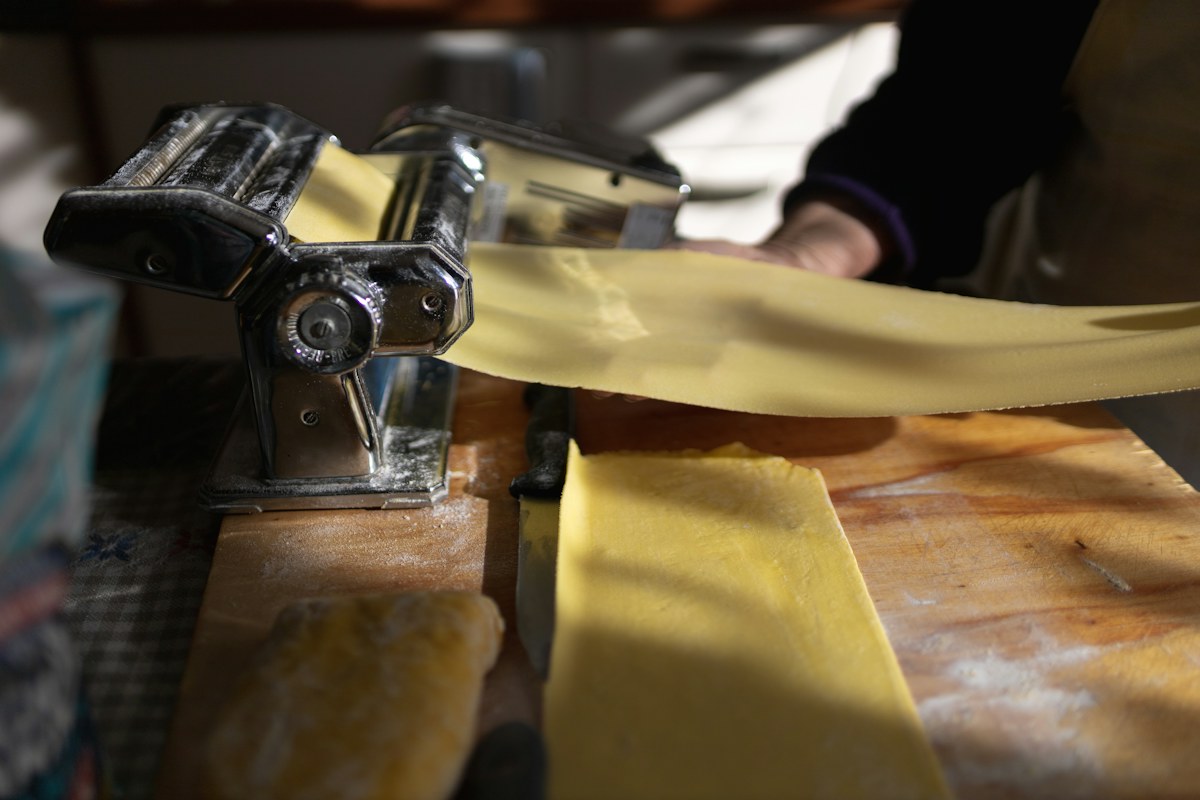
Cooking classes in Rome come in five formats: pasta and tiramisu, Roman classics, market tour plus class, pizza, and gelato. Each one fits a different traveler, a different time of day and a different appetite. This guide helps you pick the right format, then tells you what to check on a listing before you book.
The short answer: for a first trip, book a pasta and tiramisu class in the historic center. You make two easy dishes and eat them at the table. Food lovers should look for a class that teaches carbonara, cacio e pepe or amatriciana. To shop with the chef first, choose a market tour plus class on a weekday or Saturday morning. Finally, families with kids often do best with pizza or gelato.
Last updated: September 26, 2026
Cooking classes in Rome at a glance
| Format | Best for | Usual time of day | What you make | Check on the listing |
|---|---|---|---|---|
| Pasta and tiramisu | First-time visitors, couples | Morning or evening | Fresh egg pasta, a sauce, tiramisu | Which pasta shapes and sauces are included |
| Roman classics | Food lovers, repeat visitors | Often evening | Carbonara, cacio e pepe, amatriciana or gricia | Whether you cook the sauce or only watch |
| Market tour plus class | Curious cooks, early risers | Morning | A menu built around the market shop | Which market, and what happens on Sundays |
| Pizza | Families, groups of friends | Afternoon or evening | Dough and your own pizza | Oven type and the style of pizza |
| Gelato | Families with young kids | Afternoon | One or two gelato flavors | Whether it is a full class or an add-on |
How we sort these options: by format and by the kind of traveler each one fits, not by ranking individual schools. As a result, you can use the table with any listing you find.
How to choose among cooking classes in Rome
Start with three questions. First, which day and time are you free? Second, do you want to learn Roman food or general Italian favorites? Third, who is coming with you? Then check these points on any listing before you pay.
- Group size: is there a stated maximum? Smaller groups usually mean more time at the board with your own dough.
- Hands-on or demo: does each guest make their own pasta, or does the chef cook while you watch?
- Market visit: is a market stop included, and which market is it?
- Dietary needs: can the class adapt for vegetarian, gluten-free or dairy-free guests? Ask before booking, not on the day.
- Kids: is there a minimum age, and is there a child rate?
- Wine: is wine included with the meal, or offered at extra cost?
- Meeting point: is the address in the center, or do you need a transfer?
Pasta and tiramisu: the classic first class
This is the most common format among cooking classes in Rome. You mix flour and eggs, knead and roll the dough, and then cut it into shapes such as fettuccine or ravioli. Meanwhile, the tiramisu sets in the fridge while you cook, so it is ready for dessert.
Choose this class if you want a relaxed, social evening and a skill you can repeat at home. Also, it works well for mixed groups, because nobody needs any cooking experience. For a guided option, see our page on the pasta and tiramisu cooking class in Rome.
The four Roman pastas: what a Roman classics class teaches
Rome has its own family of pasta dishes, and they share a short list of ingredients. Above all, they rely on guanciale, cured pork cheek, and Pecorino Romano, a hard, salty sheep’s milk cheese. According to the Pecorino Romano consortium (checked September 2026), the cheese is produced exclusively with sheep’s milk.
- Cacio e pepe: pasta, Pecorino Romano and black pepper, bound with starchy pasta water into a creamy sauce. It looks simple, but the cheese clumps easily, so technique is the lesson.
- Gricia: guanciale, Pecorino Romano and black pepper. Think of it as cacio e pepe with crisp pork.
- Carbonara: guanciale, eggs, Pecorino Romano and black pepper. Traditional Roman carbonara uses no cream.
- Amatriciana: guanciale, tomato and Pecorino Romano. The dish takes its name from Amatrice, a mountain town in the province of Rieti, in Lazio.
Amatriciana also has official protection. According to ARSIAL, the Lazio agriculture agency, “Amatriciana Tradizionale” became an EU Traditional Speciality Guaranteed (TSG) on March 13, 2020 (checked September 2026). The protected recipe rests on tomato, guanciale and pecorino.
As a result, a Roman classics class teaches something a generic pasta class rarely does: how to make a sauce creamy without cream. However, many Roman classics classes use dried pasta such as spaghetti or rigatoni, because that is how Romans serve these sauces. Check the listing if fresh pasta matters to you.
Market tour plus class: shop first, then cook
In this format, you meet the chef at a neighborhood market, buy seasonal produce, and then walk to a kitchen to cook. It is the best way to see how Romans actually shop. In fact, the menu often changes with the season, for example artichokes in spring or zucchini flowers in summer.
Timing decides whether this works. The historic market at Campo de’ Fiori traditionally runs every morning from Monday to Saturday, according to Rome’s official tourism site (checked September 2026). Therefore, a market class on a Sunday either skips the market or visits a different one, so read the listing carefully.
Pizza and gelato classes: good picks for families
Pizza classes let everyone shape their own dough and choose toppings, which keeps children busy and happy. Roman pizza is traditionally thin and crisp, while Neapolitan pizza is soft and puffy at the edge. Check which style the class teaches, and whether it uses a wood-fired oven or a standard one.
Gelato classes are usually shorter and sometimes come as an add-on. They suit younger kids and hot afternoons. By contrast, if pizza is your main goal, Naples is a train ride away. See the pizza-making class in Naples and our guide to pizza in Italy.
Where Rome’s cooking classes take place
- Piazza Navona and Campo de’ Fiori area: the most central option, easy to combine with sightseeing. Many listings for pasta and tiramisu classes name this area.
- Trastevere: the neighborhood across the Tiber, known for its trattorias and evening atmosphere. It suits evening classes, and you can stay out for a walk afterward.
- Farmhouses outside Rome: a few classes take place in the countryside, often with a garden or olive grove. However, they take more time, so check how the transfer works.
For most cooking classes in Rome, a central location is the practical choice. Then you can walk back to your hotel after dinner and a glass of wine.
When to book a cooking class in Rome
- Book early in your trip. Then you can use what you learn when you order in restaurants later.
- Reserve ahead in busy months. Small-group cooking classes in Rome can sell out, especially on evenings and weekends in spring and fall.
- Pick the time of day around sightseeing. For example, a morning class pairs well with an afternoon at the Colosseum, while an evening class replaces dinner.
- Keep breakfast light. Most classes end with a full meal of what you cooked.
Pair a cooking class with other Rome experiences
A class shows you how to cook Roman food; a food tour shows you where Romans eat it. So a good plan is one of each. For a walking tasting, see the Trastevere food tour, and compare formats in our guide to the best food tours in Rome.
On other days, book the Colosseum tour with the arena floor or the Vatican Museums and Sistine Chapel tour. In addition, our best tours in Rome for a first visit and the Rome travel guide help you plan the rest of the trip.
Traveling on? Compare the Bologna cooking class for fresh egg pasta. Finally, our hubs for cooking classes in Italy and food tours in Italy compare options across the country.
Traveling as a family? Our guide to Rome with kids matches tours and sights to each age.
Heading to Tuscany next? Compare cooking classes in Florence.
Want a class outside the city? The Frascati day trip from Rome compares a pasta class with the family’s own wines and a winery lunch.
Cooking classes in Rome: frequently asked questions
Which Roman dishes can I learn in a cooking class?
Look for classes that teach the Roman pastas: cacio e pepe, gricia, carbonara and amatriciana. They share guanciale and Pecorino Romano, and the lesson is how to make the sauce creamy without cream.
Can I do a market tour and cooking class in Rome on a Sunday?
Check the listing first. The Campo de’ Fiori market traditionally runs Monday to Saturday mornings, so a Sunday class may skip the market or visit a different one.
Are cooking classes in Rome good for kids?
Yes, especially pizza and gelato classes, where children shape and top their own food. Check the minimum age and whether there is a child rate on the listing.
Is wine included in cooking classes in Rome?
It depends on the class. Some include wine with the meal and others charge extra, so check the inclusions on the listing before you book.
Cook like a Roman
Find the right cooking class for your trip
Compare cooking classes and food tours in Rome and across Italy, with prices and ratings read on Viator.
Book it: experiences for this trip
Matched to this article by place and interest, then ordered by Viator rating and number of reviews (checked September 2026). Prices and availability are shown live on Viator.
Keep exploring Italy