BLOG · Italy2Love Magazine Guide
Papal Conclave: Meaning, Rules, History and the 2025 Election of Leo XIV (2026)
What a papal conclave is, how the cardinals vote, what black and white smoke mean, what happened in the 2025 conclave that elected Pope Leo XIV, and where to see the places involved.
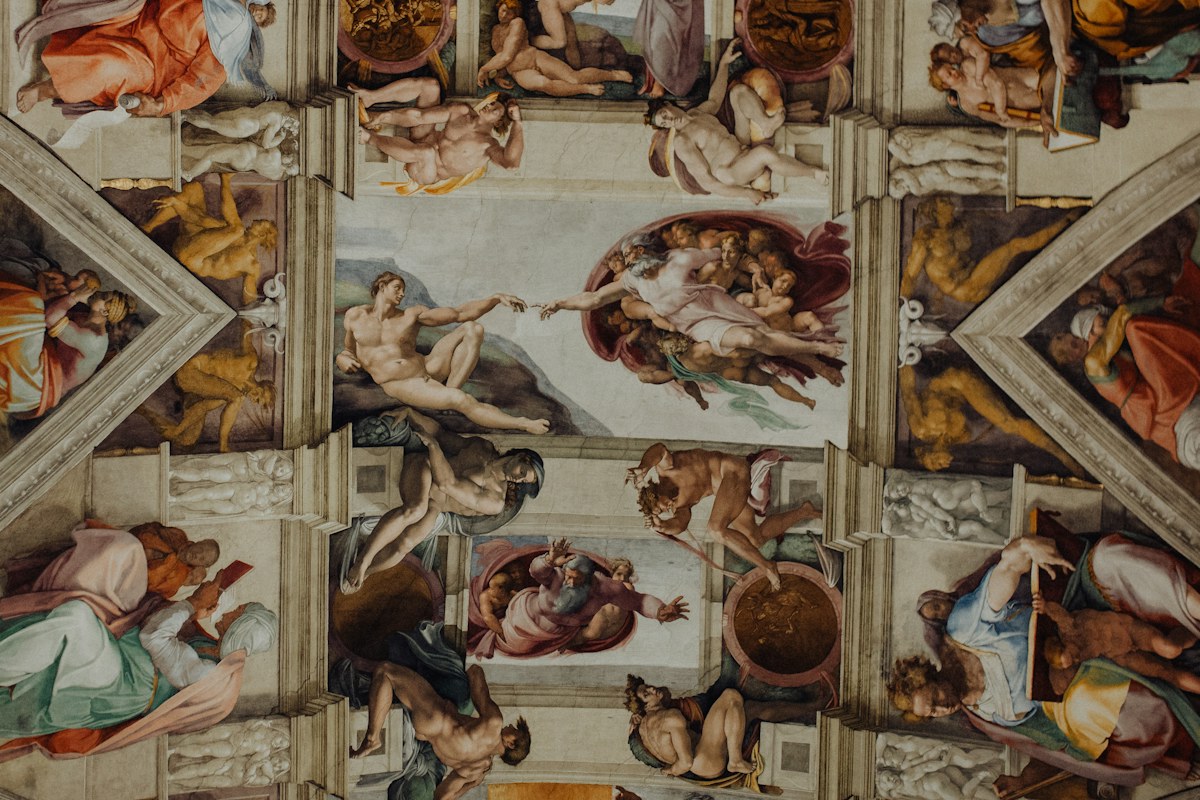
A papal conclave is the closed meeting in which the cardinals of the Catholic Church elect a new pope. The word comes from the Latin cum clave, “with a key,” after the locked room where the cardinals stay until they choose. It takes place in the Sistine Chapel, behind locked doors, and the world follows it through a single chimney. This guide explains what the word means, how the vote works, what happened in the 2025 conclave and where you can see the places involved.
The short answer: a papal conclave brings together the cardinals under 80 in the Sistine Chapel after a pope dies or resigns. They vote in secret until one candidate gets at least two thirds of the votes. Black smoke means no result; white smoke means a new pope. The most recent conclave opened on May 7, 2025 and elected Pope Leo XIV the next day, on the fourth ballot.
Last updated: September 25, 2026
Papal conclave at a glance
| Question | Answer |
|---|---|
| Who votes | Cardinals who were under 80 when the papacy fell vacant |
| Where | The Sistine Chapel, in the Apostolic Palace in Vatican City |
| Majority needed | At least two thirds of the electors present and voting |
| Ballots per day | Up to four, two in the morning and two in the afternoon |
| Where cardinals stay | The Domus Sanctae Marthae (Casa Santa Marta) inside the Vatican |
| The signal | Smoke from the Sistine Chapel chimney: black for no result, white for a new pope |
| Most recent conclave | May 7–8, 2025; Robert Francis Prevost became Pope Leo XIV |
What does “conclave” mean?
The word comes from the Latin cum clave, “with a key”. It refers to the locked room where the cardinals stay until they choose a pope. The custom grew out of long, deadlocked elections in the Middle Ages. For example, the election held in Viterbo between 1268 and 1271 dragged on for almost three years; as a result, local officials locked the cardinals in and cut their food. The Church then turned the practice into law.
Today, the Palazzo dei Papi in Viterbo still recalls that story. It makes a good stop on a trip to Tuscia, north of Rome.
How a papal conclave works today
The rules come from the apostolic constitution Universi Dominici Gregis, issued by Pope John Paul II in 1996 and later amended. According to the official text on the Vatican website (checked September 2026), the main steps are these:
- The see falls vacant. A pope dies or resigns, and the cardinals begin their preparatory meetings.
- The electors gather. Only cardinals who were under 80 when the papacy became vacant can vote. The rules set a normal maximum of 120 electors.
- The doors close. After the order Extra omnes, “everyone out”, only the electors stay in the Sistine Chapel.
- The cardinals vote in secret. Each writes a name on a paper ballot. There can be up to four ballots a day.
- The ballots are burned. The smoke then tells the crowd in St. Peter’s Square whether a pope has been chosen.
- A new pope accepts. Once a candidate reaches two thirds of the votes, he is asked whether he accepts and which name he takes.
Finally, the senior cardinal deacon steps onto the central balcony of St. Peter’s Basilica and announces Habemus Papam, “We have a pope”. Shortly afterward, the new pope appears and gives his first blessing.
The 2025 papal conclave
Pope Francis died on April 21, 2025. The conclave to elect his successor opened on May 7, 2025, and 133 cardinal electors took part. On the evening of May 8, after four ballots, white smoke rose over the Sistine Chapel.
The cardinals had chosen Robert Francis Prevost, born in Chicago, who took the name Leo XIV. According to Vatican News (checked September 2026), Cardinal Dominique Mamberti announced the election from the central loggia of the basilica. The new pope opened his first address with “Peace be with all of you”. He became the first pope born in the United States.
Papal conclave traditions to know
- The chimney. A temporary stovepipe on the roof of the Sistine Chapel carries the smoke.
- The oath of secrecy. Everyone involved, from cardinals to cooks, swears to keep the proceedings secret.
- The Room of Tears. The new pope changes into white robes in a small room next to the chapel, where several sizes wait ready.
- The new name. Each pope chooses a name, often to honor a predecessor or signal his priorities.
Where to see the places of the conclave
You cannot attend a conclave, but you can visit the places where it happens. The Sistine Chapel is part of the Vatican Museums visit; read our guide to Vatican Museums tickets before you book. Meanwhile, St. Peter’s Square and the basilica are free to enter; our page on St. Peter’s Basilica covers the visit. For background on the state itself, read our guide to Vatican City.
Guided options worth considering include a Vatican Museums and Sistine Chapel tour and a St. Peter’s Basilica and dome tour. In addition, our Rome travel guide helps you plan the rest of the city.
Where to stay
Planning to spend the night in Rome? Book a central base and you will lose less time in transit, especially if you start early. Not sure which area to pick? Our guide to where to stay in Rome compares the best areas.
Affiliate links: if you book through them, Italy2Love earns a commission at no extra cost to you.
Compare places to stay in Rome →Papal conclave: frequently asked questions
Who can vote in a papal conclave?
Only cardinals who were under 80 on the day the papacy became vacant. The rules set a normal maximum of 120 electors, although 133 took part in 2025.
How many votes are needed to elect a pope?
At least two thirds of the cardinals present and voting. In 2025, with 133 electors, that meant 89 votes.
What do black and white smoke mean?
Black smoke means no one has been elected yet. White smoke means the cardinals have chosen a new pope.
When was the last papal conclave?
It opened on May 7, 2025 and ended on May 8, 2025, when Robert Francis Prevost was elected and took the name Leo XIV.
Can tourists visit the Sistine Chapel?
Yes, as part of a Vatican Museums visit, except when the chapel closes for a conclave or special events.
Plan your Vatican visit
See the Vatican with a guide
Compare Vatican Museums, Sistine Chapel and St. Peter’s tours, with prices and ratings read on Viator.
Book it: experiences for this trip
Matched to this article by place and interest, then ordered by Viator rating and number of reviews (checked September 2026). Prices and availability are shown live on Viator.
Keep exploring Italy