
BLOG · Italy2Love Magazine Guide
Types of Houses in Italy: Italian Home Styles Explained
Discover the main types of houses in Italy—from apartments, villas and farmhouses to trulli, masserie and palazzi—with Italian property terms explained.
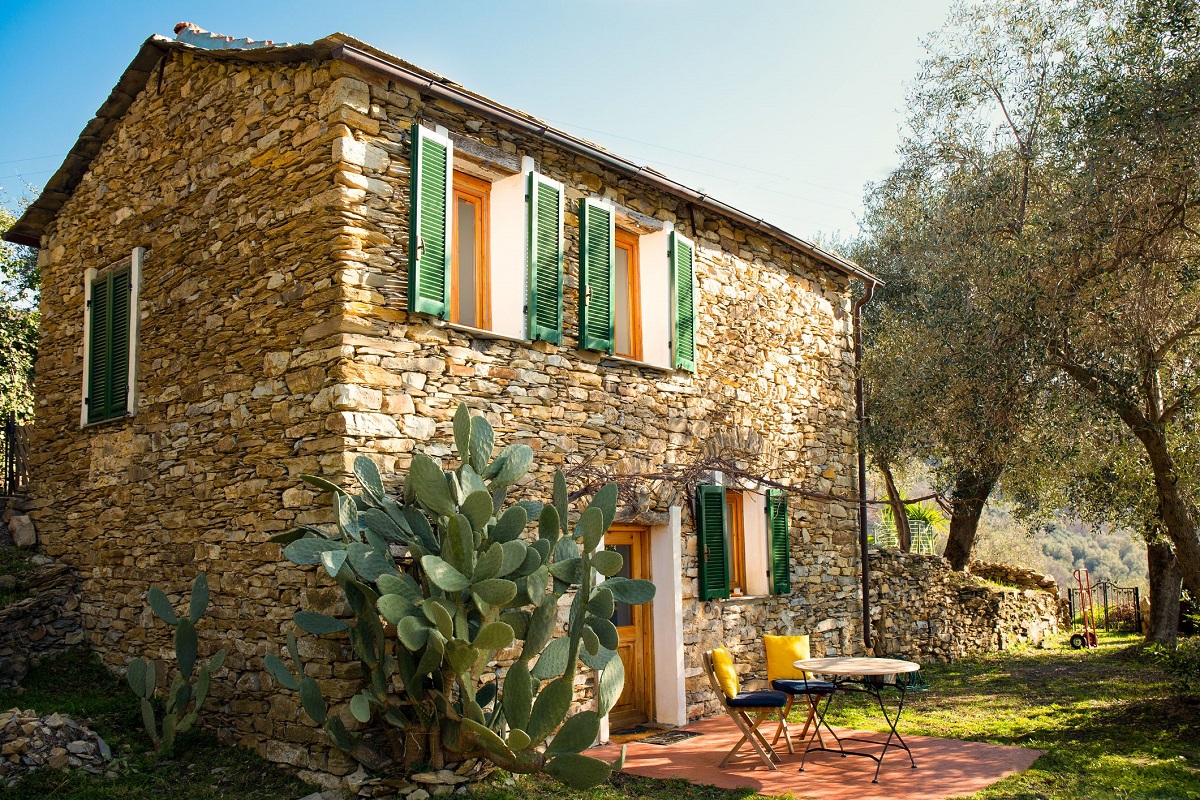
Italian homes are shaped by landscape, history and local ways of life. A city apartment in Rome, a Tuscan casale, a Puglian masseria and a Venetian palazzo are not simply different-looking buildings: each comes with its own setting, construction, maintenance needs and vocabulary. This guide explains the main types of houses in Italy and the Italian terms you will see in property listings.
Last updated: September 2026. Property labels are descriptive rather than guarantees of condition, legal use or planning status. Always verify the official records for a specific property.
What types of houses are common in Italy?
The most common home for Italian households is an apartment, especially in cities and larger towns. Detached and semi-detached houses are more common in suburbs, small towns and rural areas. Distinctive regional properties include Tuscan farmhouses, Puglian trulli and masserie, Alpine chalets, Sardinian stazzi, Sicilian bagli and historic palazzi.
| Italian term | Closest English meaning | Typical setting |
|---|---|---|
| Appartamento | Apartment or flat | Cities and towns |
| Casa indipendente | Detached house | Suburbs, towns, countryside |
| Villetta | Small detached or semi-detached villa | Residential outskirts and coast |
| Casa a schiera | Terraced or row house | Modern residential areas |
| Villa | Substantial detached home | Countryside, lakes, coast, suburbs |
| Casale | Traditional country house or farmhouse | Central Italian countryside |
| Masseria | Fortified farm estate | Puglia and southern Italy |
| Palazzo | Historic urban building or palace | Historic centers |
| Baita or chalet | Mountain cabin or chalet | Alps and Dolomites |
| Trullo | Conical dry-stone house | Central Puglia |
Apartments: the everyday Italian home
Apartments are the dominant housing type in dense cities such as Rome, Milan, Naples, Turin and Bologna. They range from compact studios to large residences occupying an entire floor of a historic building.
- Monolocale: a studio apartment with one principal living space.
- Bilocale: usually a living area plus one bedroom.
- Trilocale: commonly a living area plus two bedrooms, though listing conventions should always be checked.
- Attico: a top-floor apartment, often with a terrace.
- Loft: an open-plan conversion, sometimes in a former industrial or commercial building.
In a condominium, owners share responsibility for common areas and pay spese condominiali. Ask what the charges cover, whether major works are planned and whether the building has a lift—many historic properties do not.
Detached, semi-detached and terraced houses
Casa indipendente
A casa indipendente is a self-contained house, normally without another dwelling above or below it. It may stand alone or connect to neighboring buildings in a historic village. The term describes independence, not luxury or size.
Villetta and villa bifamiliare
A villetta is generally a smaller modern house, often with a garden. A villa bifamiliare contains two homes within one structure, broadly comparable to a semi-detached house or duplex.
Casa a schiera
A casa a schiera is part of a row of similar homes sharing side walls. These properties are common in newer residential developments and may offer private outdoor space with lower maintenance than a freestanding villa.
Italian villas: from historic estates to modern homes
In Italian listings, villa can describe many types of substantial detached homes. A historic villa may have frescoes, formal gardens, agricultural land and protected architectural features. A modern villa may prioritize privacy, terraces, a pool and views.
Location strongly shapes villa design: lakeside properties may feature loggias and boathouses; coastal villas use shaded terraces and salt-resistant materials; country villas may include olive groves, vineyards or guest buildings. Discover the settings around Italy’s lakes before comparing lakeside areas.
Casale, cascina and other Italian farmhouses
Casale
A casale is a traditional rural house, especially associated with Tuscany, Umbria and Lazio. Common features include stone or brick walls, tiled roofs, exposed beams, fireplaces and land. Many have been converted from agricultural use into residences or hospitality properties.
Cascina
A cascina is a northern Italian farm complex, particularly common in Piedmont and Lombardy. Buildings may surround a courtyard and originally combine living quarters, barns, storage and workspaces.
Rustico
Rustico usually signals a rural or traditional building, often needing renovation. It does not tell you whether the property is structurally sound, legally habitable or connected to utilities. Treat the word as an aesthetic and listing category, then verify everything technical.
If this lifestyle appeals to you, compare locations in our guide to the best areas of the Tuscan countryside.
Regional Italian house styles
Trulli in Puglia
Trulli are dry-stone buildings with distinctive conical roofs, concentrated around Alberobello and the Itria Valley. Their thick limestone walls help moderate indoor temperatures. Historic examples may be protected, so extensions and alterations require careful review.
Masserie in Puglia and southern Italy
A masseria is a farm estate, often organized around a courtyard and sometimes fortified. Many now operate as private homes, boutique hotels or agriturismi. They may include olive groves, wells, chapels, barns and workers’ quarters.
Bagli in Sicily
A Sicilian baglio is a rural compound arranged around an enclosed courtyard. Its protective layout reflects agricultural life and the need to store crops, animals and equipment within one complex.
Stazzi in Sardinia
Stazzi are traditional rural dwellings associated particularly with Gallura in northern Sardinia. Typically simple and elongated, they were built for farming families and adapted to the island’s climate and materials.
Baita, maso and Alpine chalet
Mountain homes vary across the Alps and Dolomites. A baita is a mountain hut or cabin; a maso, common in Trentino-Alto Adige/Südtirol, is a farmstead that may combine home, barn and land. Timber, stone, steep roofs and balconies respond to snow and cold.
Dammusi on Pantelleria
The dammuso is a low volcanic-stone dwelling found on Pantelleria, with thick walls and domed roofs designed to manage heat and collect rainwater. It is one of Italy’s most climate-specific house forms.
Palazzi, townhouses and homes in historic centers
A palazzo is usually a substantial multi-storey urban building, often built for a noble or wealthy family. Today it may contain several apartments, offices, a museum or a mixture of uses. The word does not necessarily mean the entire building is for sale.
Smaller historic-center homes may be described as a casa di paese or casa nel borgo. They can offer walkable village life, but buyers should inspect access, stairs, parking, natural light, damp and renovation restrictions. Explore hidden villages and towns in Italy to understand the appeal of life in a borgo.
What are houses in Italy made of?
Materials depend on place and period. Historic homes may use local stone, brick, lime mortar, timber beams, terracotta tiles and plaster. Alpine buildings often combine masonry lower floors with timber upper sections. Southern houses may use pale limestone, tuff or volcanic stone. Modern homes typically use reinforced concrete or masonry systems with insulation and rendered finishes.
Thick walls can improve thermal stability but do not automatically guarantee modern energy performance. Ask for the property’s energy performance certificate (APE) and inspect roofs, foundations, moisture, windows, heating and seismic condition.
What are houses in Italy like to live in?
Italian housing reflects compact settlements and strong regional differences. City living often means apartments close to shops, cafés and public transport. Village homes may trade space and character for steep stairs, limited parking or fewer services. Rural homes offer privacy and land but can require a car, heating management, grounds maintenance and long journeys for daily needs.
- Historic charm: original floors, shutters, vaulted ceilings and exposed beams.
- Outdoor living: balconies, courtyards, loggias, terraces and gardens vary by region.
- Climate adaptation: thick walls, shutters and shaded spaces are common in warmer areas.
- Energy considerations: older buildings may need insulation, efficient heating and modern windows.
- Shared rules: apartment owners must understand condominium decisions and costs.
Choosing the right Italian property type
Choose the lifestyle first, then the architecture. A farmhouse may look romantic but demand constant maintenance. A historic apartment may be walkable and atmospheric but lack parking or a lift. A coastal villa may face salt exposure and seasonal congestion. Compare these factors:
- year-round access and essential services;
- distance from airports, rail stations and hospitals;
- renovation and energy-upgrade budget;
- heritage, landscape and seismic restrictions;
- private versus shared maintenance;
- resale and rental demand;
- whether you will live there full-time, seasonally or rent it out.
For the buying process, see our guide to buying property in Italy. If a symbolic-price restoration interests you, read the updated guide to 1 euro homes in Italy before applying.
Frequently asked questions
What is the most common type of housing in Italy?
Apartments are the most common, particularly in cities and dense towns. Detached homes become more prevalent in lower-density areas.
What is an Italian farmhouse called?
Casale, cascina, masseria and rustico can all describe rural properties, but they are not interchangeable. Their meaning depends on region, history and building form.
What is an Italian-style house called?
Italy has no single national house style. Use the specific term—such as villa, casale, trullo, masseria, palazzo or baita—to describe the building accurately.
Why are some houses in Italy inexpensive?
Low prices can reflect depopulation, weak local demand, location, condition, access or major renovation needs. A low asking price does not necessarily mean a low total ownership cost.
Are old Italian houses difficult to renovate?
They can be. Planning conformity, structural condition, seismic standards, heritage rules, moisture and access for contractors can all affect cost and timing. Independent technical due diligence is essential.
Italian homes tell the story of their place
The best way to understand Italian house styles is region by region. Stone farmhouses belong to agricultural landscapes; palazzi express urban history; trulli, dammusi and Alpine farmsteads evolved from local materials and climate. Learning the correct names helps you search more intelligently—and choose a home that fits how you actually want to live in Italy.
Book it: experiences for this trip
Matched to this article by place and interest, then ordered by Viator rating and number of reviews (checked September 2026). Prices and availability are shown live on Viator.
Keep exploring Italy