
BLOG · Italy2Love Magazine Guide
Trattoria vs Osteria vs Ristorante: What’s the Difference?
Trattoria, osteria or ristorante? What each Italian restaurant name means today, why it does not set the price, and how to choose.
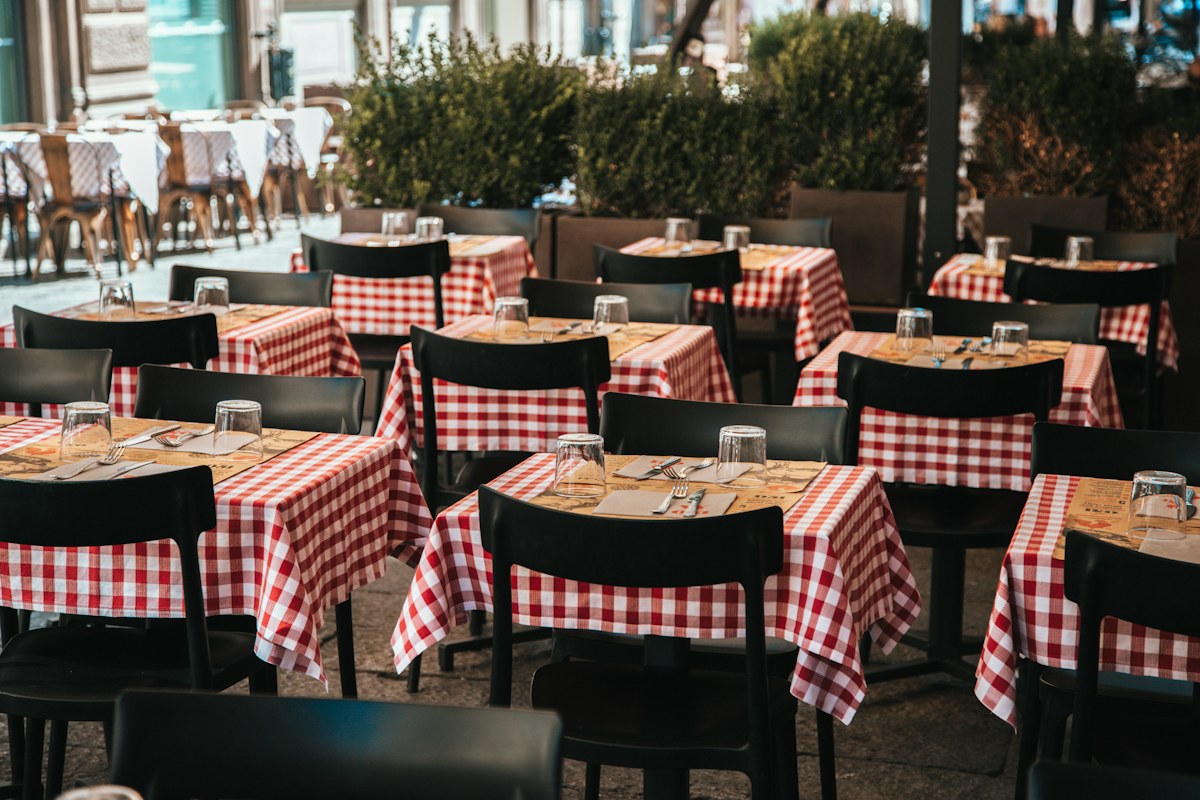
Trattoria vs osteria vs ristorante: in Italy today, the name on the sign is a hint, not a rule. A ristorante is usually the most formal of the three, a trattoria is a family-style place for regional cooking and an osteria began as a wine tavern. However, Italian law treats all three the same, so the menu by the door tells you more than the word above it.
Last updated: October 21, 2026. We checked the definitions, the law and the guide figures below on that date.
Trattoria vs osteria vs ristorante at a glance
| Type | What it usually means today | What to expect |
|---|---|---|
| Ristorante | The most formal option, a step above a trattoria in Italian dictionaries | Longer menu, wine list, table service, higher prices |
| Trattoria | A family-run place for traditional regional cooking | Short menu, house wine, relaxed service, moderate prices |
| Osteria | Once a simple wine tavern; now often a stylish place for local food and wine | Regional dishes, a good wine list, prices that vary widely |
| Pizzeria | A place that makes and bakes pizza, often in a wood-fired oven | Pizza plus a few easy dishes; some are also restaurants |
| Enoteca | A wine shop or wine bar | Wine by the glass, cured meats and cheese; some serve full meals |
| Tavola calda / rosticceria | A quick place for hot food or roasts | Ready dishes at the counter, to eat in or take away |
| Bacaro | A traditional Venetian wine bar | A small glass of wine and cicchetti, eaten standing |

Trattoria vs osteria: does the name tell you the price?
No. Italy’s national law on bars and restaurants, Law 287 of 1991, puts ristoranti, trattorie, tavole calde, pizzerias and beer halls in the same category. As a result, nothing stops a trattoria from charging more than a ristorante next door, so the name tells you about style, not price.
Instead, read the menu before you sit down. Restaurants must show their prices, and most post the menu outside, so you don’t have to guess. Also, look for the coperto (a per-person cover charge) and any servizio (service charge), which our guide to tipping in Italy explains line by line.
What is a trattoria, compared with an osteria?
A trattoria is the everyday Italian eatery. In 2020, Gambero Rosso described it as family-run, with traditional regional cooking and moderate prices, even when the chef has a modern touch. The word itself comes from trattore, an old Italian term for an innkeeper who served meals.
In practice, then, expect a short handwritten or printed menu, house wine by the carafe and dishes from the area. For example, a Bologna trattoria is likely to serve tagliatelle al ragù, and a Roman one cacio e pepe.
What is an osteria, and how does it differ from a trattoria?
An osteria was originally a tavern where people went mainly to drink, and some served little or no food. Still, a few old-style ones survive; in Bologna, for instance, Osteria del Sole has long served only wine and let guests bring their own food, as Dissapore described in 2018.
Today, however, the word often means something more polished. Around 1990, the Slow Food movement revived it for places with good regional food and wine in an informal setting, at fair prices. Consequently, an osteria can now cost as much as a ristorante, and sometimes more.
Slow Food’s guide Osterie d’Italia is still the reference. Its 2027 edition, the 37th, went on sale on October 21, 2026, with 1,952 places, and 335 of them carry the snail symbol (chiocciola). The snail marks places whose cooking, setting and welcome match Slow Food’s values.
What about pizzerias, enotecas and tavole calde?
- Pizzeria: a place that makes and bakes pizza, generally in a wood-fired oven, plus a few simple dishes. A “ristorante pizzeria” serves both.
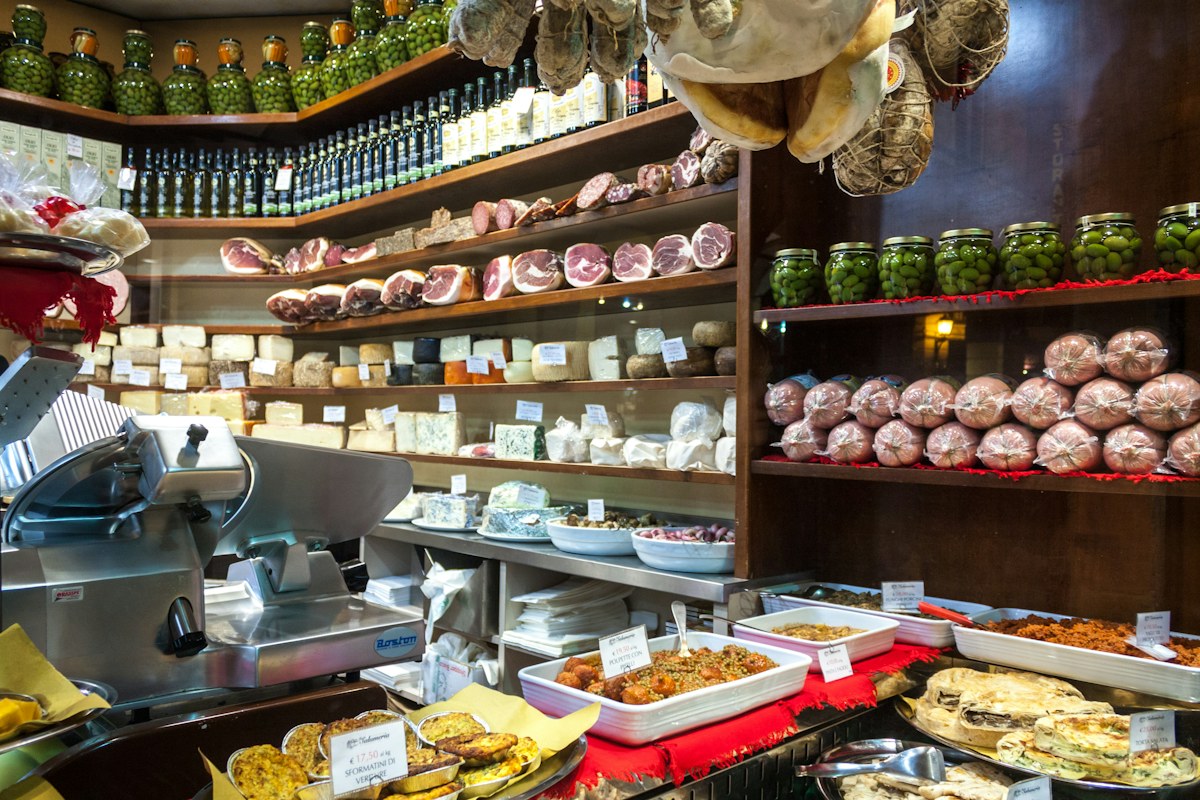
- Enoteca: first a wine shop or cellar. In addition, many serve food, from cheese boards to full meals.
- Tavola calda: hot dishes for a quick, simple meal, eaten at the counter, on a stool or at a table. You’ll find them near train stations and in busy city centers.
- Rosticceria: roast meats and hot snacks such as supplì and croquettes, to take away or eat on the spot.
Bacaro: the Venetian exception
In Venice, the local wine bar is the bacaro. It has a long counter, a glass case of cicchetti (small bites) and a small glass of wine called an ombra, and people usually eat standing. See our guide to cicchetti in Venice for how to order.
How ordering and the bill work
In all of these places, the bill comes only when you ask for it: “Il conto, per favore.” At casual places, however, you may pay at the till (cassa) instead of at the table.
Expect a cover charge, too. In a 2023 survey by FIPE, the Italian restaurant federation, about 80% of restaurants charged a coperto, at an average of €2.90 per person. By contrast, only about 5% added a separate service charge.
Trattoria vs osteria vs ristorante: which one to choose
- For a quick, cheap lunch: a tavola calda, a rosticceria or a pizzeria by the slice.
- For regional home cooking: a trattoria, especially one with a short menu that changes with the season.
- For local wine with food: an osteria or an enoteca, and in Venice a bacaro.
- For a special dinner: a ristorante, but check the menu and prices outside first.
In the end, whatever the sign says, a short menu written in Italian and a dining room full of locals are better signs than the word above the door.
Try a trattoria and an osteria on a food tour
Affiliate links: if you book through them, Italy2Love earns a commission at no extra cost to you.
For instance, many food walks stop at a trattoria, a salumeria and a wine bar along the way. In Bologna, this Bologna food tour from a local perspective covers the classics, while in Florence The Other Side of Florence food tour crosses the river to the Oltrarno.
To compare more options, read our guides to the best food tours in Rome, the best food tours in Bologna and the best food tours in Florence.
Sources and verification
On October 21, 2026, we checked the Treccani dictionary entries for osteria, ristorante, pizzeria, enoteca, tavola calda and rosticceria, Italian Law 287 of 1991 (article 5), Gambero Rosso (2020) and Dissapore (2018) on how the words are used today, the 2027 edition figures of Slow Food’s Osterie d’Italia as reported by Dissapore and Scatti di Gusto, and the FIPE 2023 survey on cover charges.
Frequently asked questions
What is the difference between a trattoria and an osteria?
A trattoria is a family-style eatery for regional cooking at moderate prices. An osteria began as a wine tavern, and today the word often means a more stylish place for local food and wine.
Is a trattoria cheaper than a ristorante?
Often, but not always. Italian law puts trattorie and ristoranti in the same category, so check the menu and prices outside before you sit down.
What does osteria mean?
Osteria originally meant a tavern where people went mainly to drink. Since around 1990, Slow Food has used the word for places with good regional food and wine in an informal setting.
What is a bacaro in Venice?
A bacaro is a traditional Venetian wine bar with a long counter, small bites called cicchetti and small glasses of wine, usually enjoyed standing.
Book it: experiences for this trip
Matched to this article by place and interest, then ordered by Viator rating and number of reviews (checked September 2026). Prices and availability are shown live on Viator.
Keep exploring Italy