
BLOG · Italy2Love Magazine Guide
Rome in Winter: 15 Wonderful Things to Do, Weather & Local Secrets
Discover Rome in winter: 15 things to do, seasonal food, Christmas traditions, weather, rainy-day ideas, thermal escapes and the best areas to stay.
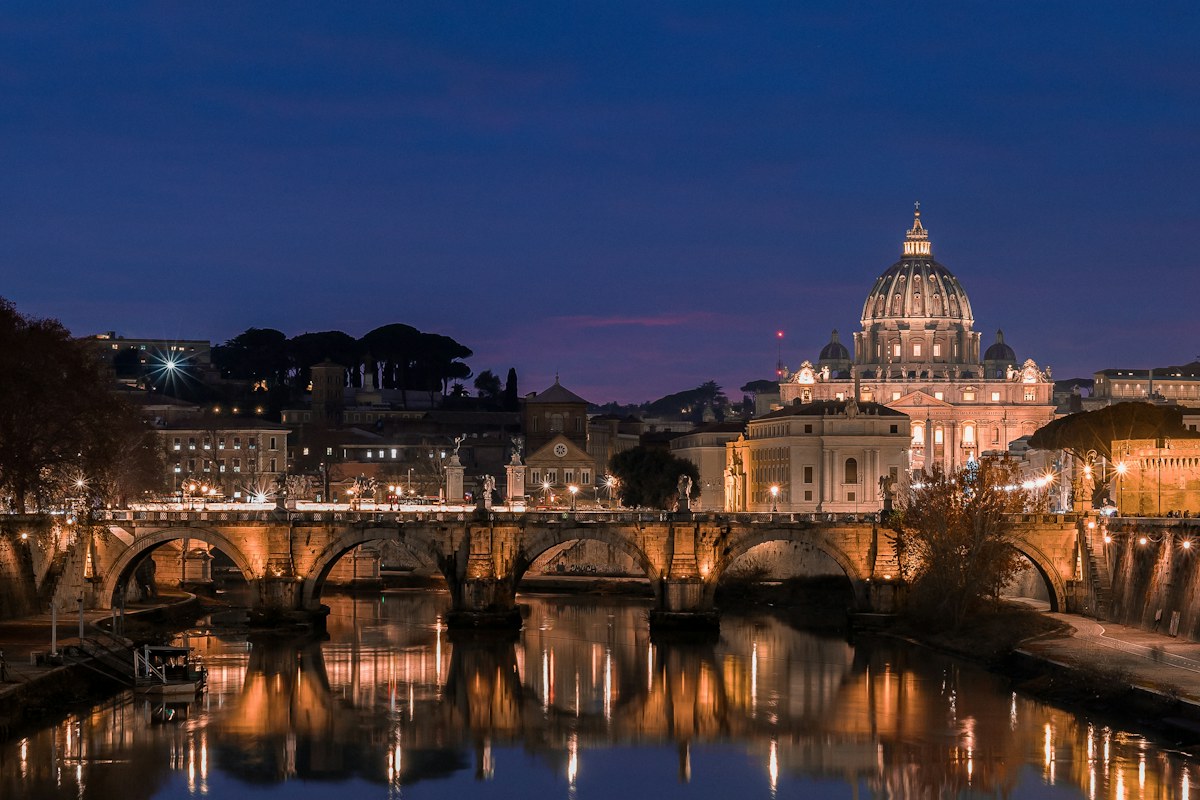
Rome in winter is a city of small discoveries: a shaft of afternoon light across a marble piazza, a neighborhood bakery selling warm bread, a plate of artichokes at a crowded local table, and a museum visit that does not have to compete with the summer heat. If you have only experienced the Eternal City in July or August, visiting between December and February can feel like meeting it again.
In November 2026, The Guardian celebrated the pleasures of Rome outside the summer season. SiViaggia picked up the story the following day. Their reports offer an invitation to reconsider the conventional summer city break. This Italy2Love guide develops that idea into an independent, practical winter itinerary: when to visit, what to do in different weather, where to eat and sleep, and how to turn a quieter season into a richer journey.
The short answer: Rome is absolutely worth visiting in winter if your priorities are architecture, museums, food, neighborhood life and relaxed sightseeing. January after Epiphany is particularly appealing for travelers who want to avoid the festive rush. December is better for Christmas traditions, and February can combine a quiet cultural trip with gradually longer days. Expect cool mornings, occasional rain and earlier closing times rather than guaranteed sunshine.
Editorial review: November 26, 2026. Seasonal schedules and accommodation prices should be checked again for your dates.
Affiliate disclosure: Italy2Love may earn a commission when you book through our Expedia partner links, at no extra cost to you. Our recommendations are independent; prices and availability are not guaranteed.
What is Rome like in winter?
Rome has a Mediterranean climate, but that does not mean it feels warm all winter. A bright afternoon can be comfortable for walking; the same evening may call for a scarf, a sweater and a lined jacket. Damp air, shaded streets and wind near the river can make conditions feel cooler than the thermometer suggests. A flexible itinerary matters more than trying to find one perfect weather forecast.
The following approximate average daily highs and lows use the Rome Ciampino climate figures reported in our Italy in winter guide. They are planning averages, not predictions for a particular trip.
| Month | Typical high / low | Best for |
|---|---|---|
| December | 13 / 5°C (55 / 41°F) | Festive streets, church visits, winter food |
| January | 12 / 3°C (54 / 38°F) | Post-holiday museums, neighborhood walks |
| February | 13 / 3°C (55 / 38°F) | Couples, art and early hints of spring |
Snow is unusual in Rome; do not plan your trip around seeing it. Rain is a more realistic consideration. The best strategy is to reserve major attractions, keep one or two indoor alternatives in each neighborhood, and put exposed archaeological sites or panoramic viewpoints into the brightest part of the day. This way a wet morning does not ruin an entire itinerary.
15 wonderful things to do in Rome in winter
1. Walk the historic center before the city fully wakes up
Start in Piazza della Rotonda, outside the Pantheon, and let the streets lead you toward Piazza Navona. The pleasure of a winter morning is not simply the possibility of fewer people: the lower angle of the sun reveals architectural details and creates deep shadows along the façades. Stop for coffee before moving on, rather than treating the squares as a photography checklist. Keep an umbrella handy, because polished stone and cobbles can become slippery after rain.
For a first visit, consider returning to the same district after dinner. Seeing the Pantheon surrounded by illuminated buildings provides a different experience from visiting it in daylight. The central lanes also give you plenty of opportunities to shorten the walk if the weather deteriorates.
2. Discover the Esquilino and the layers of Via Merulana
Rather than begin every day at the most famous attractions, spend a morning around Piazza Vittorio Emanuele II. Esquilino is a district where different languages, food traditions and architectural periods meet. Walk toward Santa Maria Maggiore or explore Via Merulana and its surroundings. You will notice a Rome that functions as a living city, not only as a collection of ancient monuments.
The neighborhood is particularly useful for travelers staying near Termini who want to discover something beyond the station. A good plan is to begin with breakfast, continue to a church or cultural stop and finish with an unhurried lunch. Avoid squeezing the entire historic center into the same morning; the neighborhood deserves time of its own.
3. Visit the Colosseum in the morning
A cool winter day can be an excellent opportunity to explore Ancient Rome without the intense midday heat of summer. The amphitheater, Roman Forum and Palatine Hill cover a substantial area, with exposed paths and uneven surfaces. Start early, wear shoes with reliable grip and plan your longest outdoor section before mid-afternoon.
For winter 2026–27, the official archaeological park calendar lists closing at 4:30 p.m. and final admission at 3:30 p.m. from October 25 through February 28, with closures on December 25 and January 1. Recheck the timetable when booking. A timed reservation is still important in winter; the season is not a guarantee of immediate entry.
If you want more historical context, compare guided archaeology experiences through our Rome destination guide. Allow enough time to understand the buildings rather than spending the whole visit moving between photo stops.
4. See Rome from the Aventine Hill
The Aventine offers an alternative to the busy streets around the Trevi Fountain. Walk up from the Circus Maximus when the weather is clear, explore the quieter surroundings and visit the Orange Garden for a view across the city. This is a particularly pleasant option around late afternoon, when the winter light can bring warmth to the skyline.
The hill is not ideal for every traveler: the climb, uneven paths and potentially slippery paving matter if you have limited mobility. Check garden opening arrangements and leave sufficient daylight for the descent. A short walk followed by an early dinner is often more satisfying than adding three distant attractions.
5. Make the Vatican Museums your rainy-day anchor
The Vatican Museums offer an extraordinary indoor alternative when the forecast is unsettled, but a popular museum is not an automatic refuge from crowds. Book ahead, check the official calendar and choose a route that matches your energy. The galleries are extensive, and a shorter, deliberate visit may be better than trying to see everything.
Treat St Peter’s Basilica as a separate stop with its own security procedures. If you want to combine the two, build in time for queues and lunch in Prati. Avoid assuming that a museum ticket includes unrestricted entry to every part of the Vatican. Start with the official Vatican Museums website for admission details and holiday closures.
6. Spend a slow afternoon in the Capitoline Museums
The Capitoline Museums make a rewarding alternative to the most famous museum circuit. Their collections connect Roman history with sculpture, painting and the changing identity of the city. They also sit in a wonderful position on the Capitoline Hill, making it possible to combine an indoor cultural afternoon with views of the archaeological center when conditions improve.
Choose a few themes before arriving: ancient portraiture, the relationship between public power and sculpture, or the way later generations interpreted classical Rome. The point is not to finish every room. It is to leave with a clearer idea of the city you are exploring.
7. Eat the Roman winter rather than ordering only the famous pastas
Rome’s seasonal cooking is one of the best arguments for traveling in cooler weather. Look for menus that feature vegetables in season, hearty soups and dishes suited to a long lunch. Artichokes are worth particular attention when local varieties are available. Carciofi alla romana are typically gently cooked with herbs, while carciofi alla giudia are fried in the Roman-Jewish tradition.
Puntarelle, the crisp shoots of a type of chicory, offer another characteristic seasonal flavor. Their distinctive dressing often contains anchovies, so vegetarians should ask before ordering. A bowl of pasta e ceci, a chickpea-based dish, can be a satisfying alternative to the familiar carbonara. For more ideas, explore our guide to Roman food tours and choose a neighborhood or cooking experience that actually fits your interests.
8. Explore Testaccio through its food culture
If your trip is food-led, give Testaccio a proper morning rather than rushing through on the way to a monument. The neighborhood’s markets, former industrial spaces and working-class culinary heritage offer a different perspective on Roman life. Market opening times vary, so check before heading out; mornings generally make more sense than late afternoons.
Choose a lunch spot according to what is being served that day. Ask about ingredients and portions, especially if you are traveling with children or dietary restrictions. A winter lunch can be the main event, with a short afternoon walk instead of another packed sightseeing block. If you want to learn techniques, an indoor pasta-making class can add something you will remember long after returning home.
9. Look for a neighborhood wine bar or a long aperitivo
As the temperature falls after sunset, the pleasure of Rome shifts indoors. An aperitivo can provide a natural pause between sightseeing and dinner, whether you prefer a wine bar, a cafe or a non-alcoholic drink. Monti and Trastevere are appealing places to explore at this hour, but the most famous streets are not necessarily the quietest.
Look for a comfortable table rather than the busiest terrace. Some establishments keep outdoor seating even in winter; it is perfectly reasonable to choose indoors on windy evenings. Avoid making the evening dependent on a long cross-city transfer. Staying near a neighborhood where you enjoy eating can make a short winter trip considerably easier.
10. Experience Rome’s Christmas traditions
December brings a particular atmosphere to the city, with seasonal decorations, religious celebrations and nativity displays. The Christmas period in Italy traditionally begins around the Feast of the Immaculate Conception on December 8 and continues toward Epiphany on January 6. Not every installation follows the same schedule, so check each year’s official announcements.
St Peter’s Square is a natural stop for visitors interested in the Vatican’s Christmas celebrations. Santa Maria Maggiore and the Basilica of Santi Cosma e Damiano offer a historical dimension to nativity art. These are active places of worship, not simply exhibition venues: dress appropriately, respect services and verify visiting arrangements before setting out.
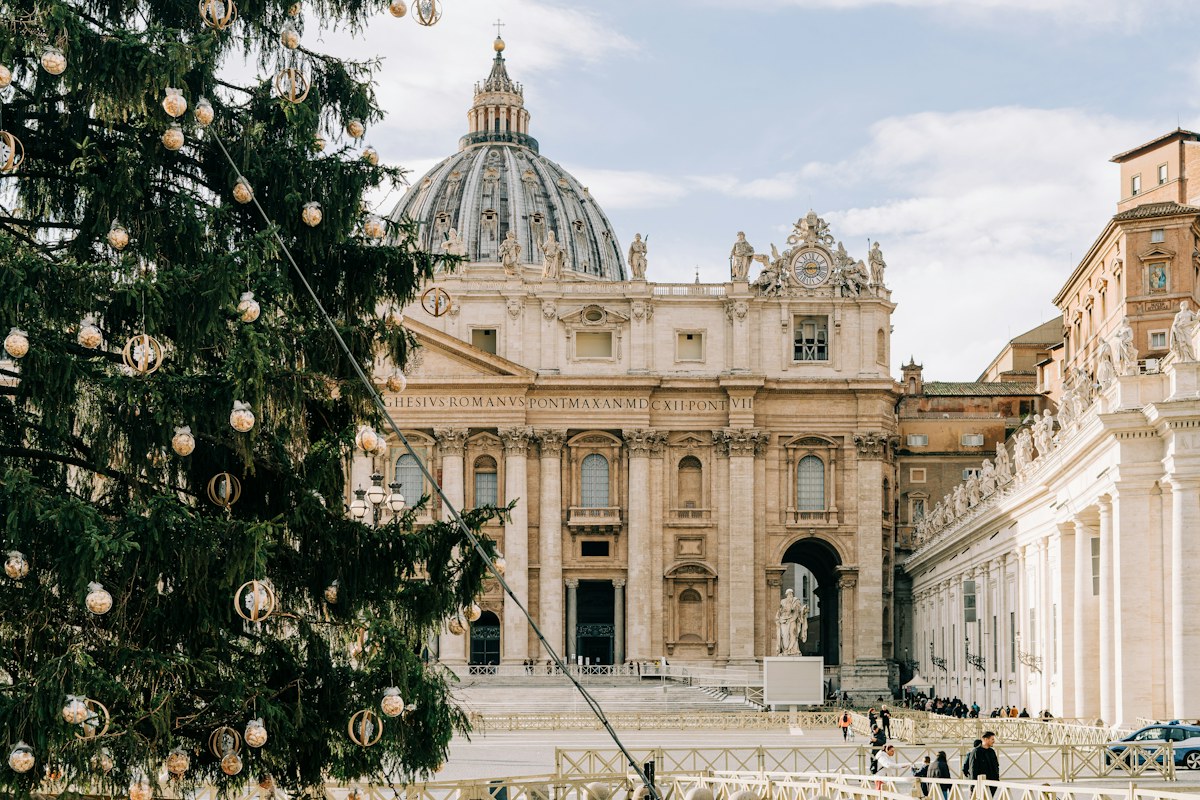
Expect the holiday weeks themselves to be busier, especially near prominent religious and civic celebrations. Consult the Italy2Love events calendar for updated Christmas coverage rather than assuming last year’s market dates apply.
11. Discover art inside Rome’s churches
An unexpected shower can become a highlight if it brings you into a church you might otherwise have passed. Rome’s religious buildings contain centuries of artistic work, from mosaics to painted chapels and elaborate marble decoration. San Luigi dei Francesi, for example, is associated with Caravaggio’s paintings of Saint Matthew. Verify public access before visiting, since churches can close during services or for other reasons.
Plan one or two churches in the same district rather than crossing the entire city. Allow time to sit quietly, study the architecture and notice the difference between a painting seen in a museum and one experienced in the architectural setting for which it was created.
12. Spend a winter morning in Villa Borghese
A clear morning is an invitation to head outdoors. Villa Borghese offers space for a slower walk away from the dense historic center, while the Pincio terrace overlooks Piazza del Popolo. The route works well for couples and families who want to balance indoor museums with fresh air.
If the Borghese Gallery is on your list, book its timed admission separately and check its opening calendar at the official gallery website. Keep the park walk optional when the weather is wet. A gallery visit followed by a coffee is a perfectly good alternative to a long outdoor itinerary.
13. Take a winter day trip to the Roman coast
Rome’s coastline is not only a summer destination. Santa Marinella and Santa Severa provide different ways to experience the Tyrrhenian Sea in winter. A walk beside the water can be refreshing on a clear day, especially for visitors who have already spent several days in the city’s museums and historic streets.
Santa Severa’s coastal castle is a particularly distinctive setting, but check castle admission days and the distance from your chosen train stop. Santa Marinella can be easier for a straightforward seaside stroll. Check current rail schedules using Trenitalia, and do not assume that beach services, restaurants or seasonal facilities will operate as they do in August. If a storm is forecast, choose an indoor alternative.
14. Escape to the thermal baths near Rome
A winter spa day can transform a city break into a more restorative journey. Viterbo and the Tuscia area are interesting choices for thermal bathing; further afield, southern Tuscany offers other possibilities. Compare public bathing areas, managed spa facilities and wellness hotels before choosing. They differ in cost, hygiene facilities, accessibility and whether a reservation is needed.
Do not assume that all natural hot springs are easy to reach without a car or suitable for everyone. Check access, weather, water conditions and any health restrictions. If you want to make a full day of it, select a destination that also offers a good lunch or historic-center walk. Our detailed thermal baths near Rome guide explains the options, and our thermal and wellness hub helps you compare other Italian spa destinations.
15. Give yourself an evening with no sightseeing agenda
One of the simplest winter experiences costs almost nothing: leave some time unplanned. Pick a neighborhood, take a short walk before dinner, and choose somewhere comfortable to eat. If you are visiting as a couple, the illuminated bridges over the Tiber or the streets around Piazza Farnese can provide an intimate backdrop without an expensive program of activities.
The same principle works for solo travelers and families. A flexible evening gives you time to recover after museum visits and makes an unexpectedly good restaurant, concert or exhibition possible. This is the real advantage of a slower trip: your accommodation becomes a base for discovery rather than a place where you collapse after twelve hours of rushing.
Rome in December, January or February: which month should you choose?
December: choose it for Christmas traditions, window displays and festive meals. The first part of the month can feel very different from the period around Christmas and New Year. Book holiday dates early and check museum closures, restaurant reservations and transport schedules. Our Italy in December guide provides wider context for a multicity trip.
January: the days following January 6 are an appealing option for travelers who prefer fewer holiday crowds. Temperatures are cool and daylight remains limited, but an itinerary built around morning walks, museums and long lunches can work extremely well. Compare hotel prices for weekday stays instead of assuming every January room is cheap. See also Italy in January.
February: consider this month for a romantic break or an art-focused weekend. It still requires winter clothing, yet the gradually longer afternoons provide additional flexibility. Valentine’s Day and other special dates may affect availability, so compare specific travel dates rather than judging the whole month by its reputation.
A practical three-day Rome winter itinerary
Day one — Ancient Rome and Monti. Reserve a morning Colosseum visit and continue into the archaeological area while daylight and energy are on your side. Stop for a substantial lunch, then explore Monti or choose a nearby indoor cultural stop if the forecast turns wet. Stay in the neighborhood for dinner instead of planning a long evening transfer.
Day two — Vatican and Prati. Reserve a museum visit, allow time for security and breaks, then choose either the Basilica or a leisurely afternoon in the neighborhood. If it is raining, skip the extended riverside walk. If it is clear, cross the Tiber in daylight and enjoy the views before heading back for dinner.
Day three — Historic center and food. Begin around the Pantheon and Piazza Navona, leave time for a church visit, and make lunch or a cooking experience the center of the afternoon. Depending on conditions, finish in Trastevere or near the river. The detailed three-day Rome itinerary expands this framework for first-time visitors.
A fourth day is especially valuable in winter: use it for the coast, a thermal escape or a museum you missed because of weather. A spare day creates resilience in your schedule and often makes the difference between feeling rushed and feeling genuinely on holiday.
Where to stay in Rome in winter
The most useful winter accommodation is not necessarily the fanciest. Location becomes more important when it rains or gets dark early, because returning to a room for a break is easier if the hotel is close to your itinerary. Choose the historic center for a first visit with maximum walkability; Monti for Ancient Rome and intimate restaurants; Prati for the Vatican; or Trastevere for lively evening streets. Termini and Esquilino can suit travelers planning day trips or arriving late by train.
Check heating, room insulation, elevator access, cancellation terms and breakfast arrangements. For short winter breaks, a well-positioned small hotel can offer better practical value than a larger property requiring a bus or metro ride every evening. For longer trips, an apartment with dependable heating, a comfortable seating area and a kitchen can be worth comparing. Our complete Rome neighborhood and accommodation guide explains the trade-offs.
What to wear in Rome in winter
Pack for changes throughout the day: a warm outer layer, a sweater or fleece, a light scarf, compact rain protection and shoes with good grip. Layers work better than relying on a heavy coat alone, because an indoor museum or restaurant can feel much warmer than the street. Bring a small bag that allows you to carry the layer you remove.
For churches, choose clothing suitable for religious spaces. If you plan a coastal excursion, include a wind-resistant layer. For the Forum and other archaeological sites, comfort and traction matter far more than fashionable footwear. Check the forecast shortly before departure and adjust rather than purchasing clothing for a climate you may not encounter.
Is Rome cheaper and less crowded in winter?
Outside major holidays, lower seasonal demand can create more accommodation choices, but rates depend on events, weekends, conferences and property availability. Do not assume that every winter day will be inexpensive or that famous attractions will be empty. Look at actual total rates, cancellation flexibility and the location of your room.
A smart way to manage your budget is to book one major timed attraction per day, add free public spaces and churches where appropriate, and reserve money for a meaningful food experience or a memorable hotel location. Spending strategically on comfort can make a winter visit more rewarding than filling the schedule with inexpensive but exhausting transfers.
Frequently asked questions about Rome in winter
Is Rome worth visiting in winter?
Yes. Museums, architecture, neighborhood food and cultural experiences make the city a strong winter destination. The main trade-offs are shorter days, cool evenings and occasional rain. Travelers who prioritize beaches or long sunny evenings may prefer another season.
Does it snow in Rome in winter?
Snow is rare. It can happen, but ordinary winter planning should focus on cool temperatures and rain rather than expecting snowy streets.
What can you do in Rome when it rains?
Choose an indoor museum, church, cooking experience or relaxed restaurant lunch close to your accommodation. Reserve high-demand museums in advance, rather than assuming a rainy afternoon will have immediate availability.
Is January a good time to visit Rome?
January after Epiphany is often a good option for a quieter culture-focused trip. Check attraction schedules, pack for cool conditions and compare accommodation by specific dates.
How many days do you need in Rome in winter?
Three full days are a useful minimum for a first cultural trip. Four or five days allow you to adapt to weather, spend time in local neighborhoods and include a coastal or thermal day trip.
Plan your winter escape to the Eternal City
Rome does not need summer to be spectacular. Winter invites a different relationship with the city: more time to look, more reasons to sit down at a table and more opportunities to adjust your plans to the moment. Choose the dates that fit your interests, reserve the important visits, and leave space for everyday Rome to surprise you.
Continue planning with our Rome travel guide, winter in Italy guide and Rome accommodation comparison.
Editorial inspiration: The Guardian, November 24, 2026; SiViaggia, November 25, 2026 (linked in the introduction). Practical planning, itineraries and recommendations are independently developed by Italy2Love. Featured photograph: Jimmy Hassa / Unsplash (Rome cityscape; exact season not established). Additional photograph: Gabriella Clare Marino / Unsplash.
Book it: experiences for this trip
Matched to this article by place and interest, then ordered by Viator rating and number of reviews (checked September 2026). Prices and availability are shown live on Viator.
Keep exploring Italy
