
BLOG · Italy2Love Magazine Guide
Historic Italian Gardens: 7 Great Gardens and How to Visit Them (2026)
Historic Italian gardens compared: Villa d’Este, Boboli, Caserta, Ninfa, Villa Lante, the Park of the Monsters and Villa Carlotta, with opening tips and nearby cities.
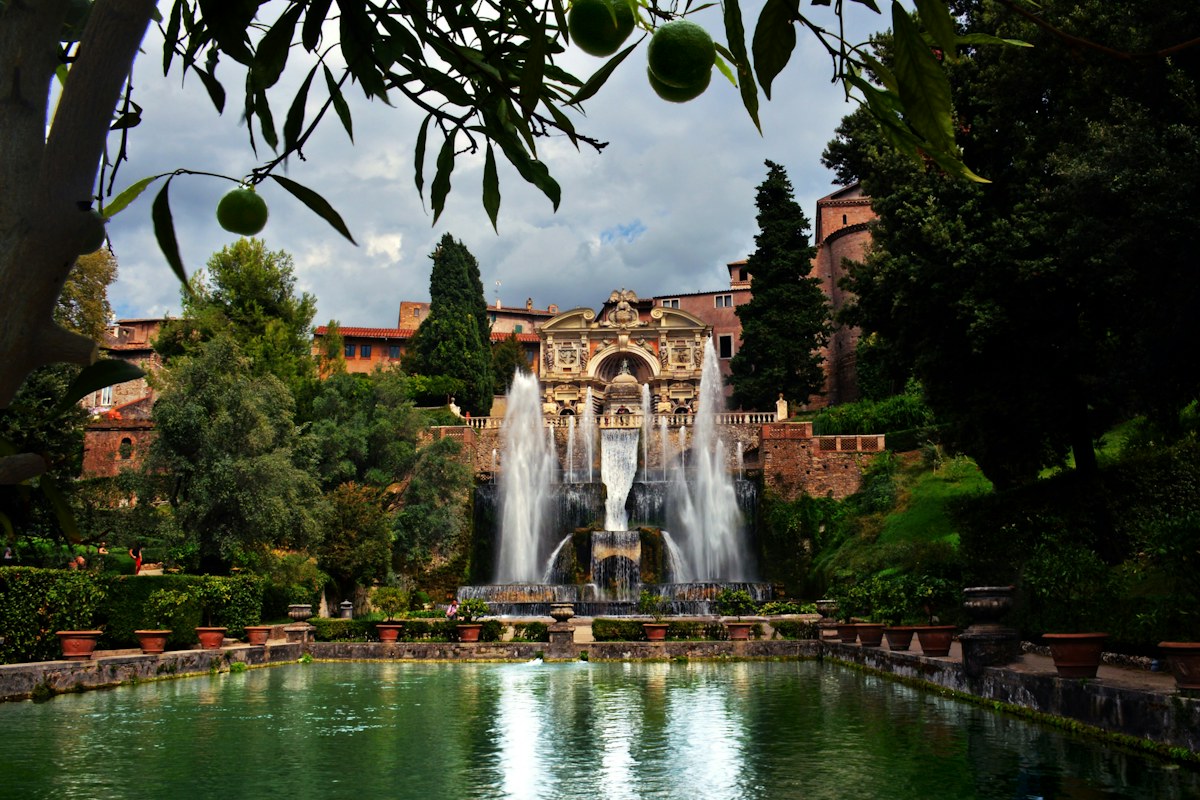
Historic Italian gardens shaped garden design across Europe, from Renaissance terraces full of fountains to romantic parks around medieval ruins. Also, many sit a short trip from Rome, Florence, Naples or Milan, so they fit easily into a city stay. In addition, this guide compares seven of the most important ones and explains how to visit each.
The short answer: for fountains, go to Villa d’Este in Tivoli, a UNESCO site near Rome. For Renaissance design in a city, choose the Boboli Gardens in Florence. For sheer scale, visit the park of the Royal Palace of Caserta near Naples. For romance, book Ninfa, south of Rome, which opens only on selected days. Also, consider Villa Lante and the Sacro Bosco of Bomarzo in Tuscia, and Villa Carlotta on Lake Como.
Last updated: September 25, 2026
Historic Italian gardens at a glance
| Garden | Where | Style | Best base |
|---|---|---|---|
| Villa d’Este | Tivoli, Lazio | Renaissance water garden (UNESCO) | Rome |
| Boboli Gardens | Florence, Tuscany | Medici court garden | Florence |
| Royal Palace of Caserta park | Caserta, Campania | Baroque park and English Garden (UNESCO) | Naples |
| Garden of Ninfa | Near Latina, Lazio | Romantic garden among ruins | Rome |
| Villa Lante | Bagnaia, Viterbo | Renaissance terraces and water chain | Rome or Orvieto |
| Sacro Bosco (Park of the Monsters) | Bomarzo, Viterbo | Mannerist sculpture wood | Rome or Orvieto |
| Villa Carlotta | Tremezzina, Lake Como | Botanical garden and museum | Milan or Como |
Villa d’Este, Tivoli: the garden of fountains
Above all, Villa d’Este is the benchmark for historic Italian gardens. According to UNESCO, which listed it in 2001, it was one of the first “gardens of marvels” (checked September 2026). As a result, it became a model for gardens across Europe. Below the villa, terraces step down the hill, and jets, basins and cascades run on gravity alone. Tivoli is an easy day from Rome, so consider a Tivoli day trip from Rome. Also, read our comparison of Villa d’Este or Hadrian’s Villa.
Boboli Gardens, Florence
In Florence, meanwhile, the Boboli Gardens climb the hill behind Palazzo Pitti toward the old city walls. According to the Uffizi Galleries, the Medici created the model of the Italian garden here (checked September 2026). Later, other European courts copied it. Inside, look for the Buontalenti Grotto, the Neptune fountain and the Kaffeehaus pavilion. However, the garden closes on the first and last Monday of each month, so plan around that. For more green spaces, see our guide to the top gardens in Florence and the Florence travel guide.
The Royal Palace of Caserta and its park
Further south, the Bourbon king Charles III built Caserta in the 18th century to rival Versailles. Behind it, the park runs along a long axis of fountains and pools to a waterfall at the top. In addition, UNESCO describes its English Garden as one of the greatest and oldest picturesque gardens in Europe. The palace and park became a World Heritage Site in 1997 (checked September 2026). Because the park is huge, allow at least half a day. Also, Caserta is a short train ride from Naples; see our best day trips from Naples.
Ninfa: a romantic garden among ruins
Ninfa is a romantic garden that grew among the ruins of a medieval town south of Rome. Today, streams and bridges wind past more than a thousand plant species. According to the official site, visits follow a set calendar, mainly on weekends (checked September 2026). Also, you buy tickets online. Therefore, book well ahead, and check the dates before you plan a trip. In fall, moreover, the season continues on selected weekends, and the colors change.
Tuscia: Villa Lante and the Park of the Monsters
By contrast, north of Rome, the Tuscia area holds two very different Renaissance gardens. First, Villa Lante in Bagnaia, near Viterbo, dates from the late 1560s. There, its catena d’acqua, a “water chain”, carries water down the terraces through carved stone basins. Second, the Sacro Bosco of Bomarzo is a wood full of giant stone figures. Locals also call it the Park of the Monsters. Vicino Orsini commissioned it in the 16th century, reportedly to mourn his wife. In fact, Orsini wanted it to astonish rather than please. For the area, read our Tuscia travel guide.
Villa Carlotta, Lake Como
On the western shore of Lake Como, Villa Carlotta combines a botanical garden with a museum. Inside, you will find sculpture and painting, including works by Canova. Historically, the Clerici family built the villa in the late 1600s. According to its official site, the villa and garden open daily in 2026. Of course, spring is the headline season, with azaleas and rhododendrons in flower. Still, fall brings quieter paths and lake views. Then reach it with a Lake Como boat tour or a Lake Como day trip from Milan.
How to plan visits to historic Italian gardens
- Check opening days first. Ninfa opens only on selected days, and Boboli closes on some Mondays.
- Go early. Morning light is softer, and tour groups arrive later.
- Wear comfortable shoes. After all, most historic Italian gardens sit on slopes, with gravel paths and steps.
- Match the garden to the season. Spring brings flowers, while fall brings color and fewer visitors.
Finally, to fit gardens into a wider trip, see the best day trips from Rome and our guide to the best time to visit Italy.
Where to stay
Planning to spend the night in Rome? Book a central base and you will lose less time in transit, especially if you start early. Not sure which area to pick? Our guide to where to stay in Rome compares the best areas.
Affiliate links: if you book through them, Italy2Love earns a commission at no extra cost to you.
Compare places to stay in Rome →Historic Italian gardens: frequently asked questions
Which historic Italian gardens are UNESCO sites?
Villa d’Este in Tivoli and the park of the Royal Palace of Caserta are both World Heritage Sites. In addition, the Medici villas of Tuscany form a separate UNESCO site.
Do I need to book the Garden of Ninfa?
Yes. Ninfa opens only on set dates, mainly weekends, and you buy tickets online, so book ahead.
When are the Boboli Gardens closed?
On the first and last Monday of each month and on December 25, according to the Uffizi Galleries.
What is the Park of the Monsters?
The Sacro Bosco of Bomarzo, a 16th-century wood with giant stone sculptures, commissioned by Vicino Orsini.
Can I visit historic Italian gardens in the fall?
Yes. Most stay open into the fall, with fewer visitors, although some, such as Ninfa, open only on selected days.
Plan your garden days
Gardens, villas and day trips
Compare day trips from Rome, Florence and Milan, with prices and ratings read on Viator.
Book it: experiences for this trip
Matched to this article by place and interest, then ordered by Viator rating and number of reviews (checked September 2026). Prices and availability are shown live on Viator.
Keep exploring Italy