
BLOG · Italy2Love Magazine Guide
Italy in Summer: Which Month, Where to Go and How to Beat the Heat (2027)
Italy in summer: June vs July vs August compared, weather by region, where to go by heat and crowds, beach booking, Ferragosto closures and festival guides.
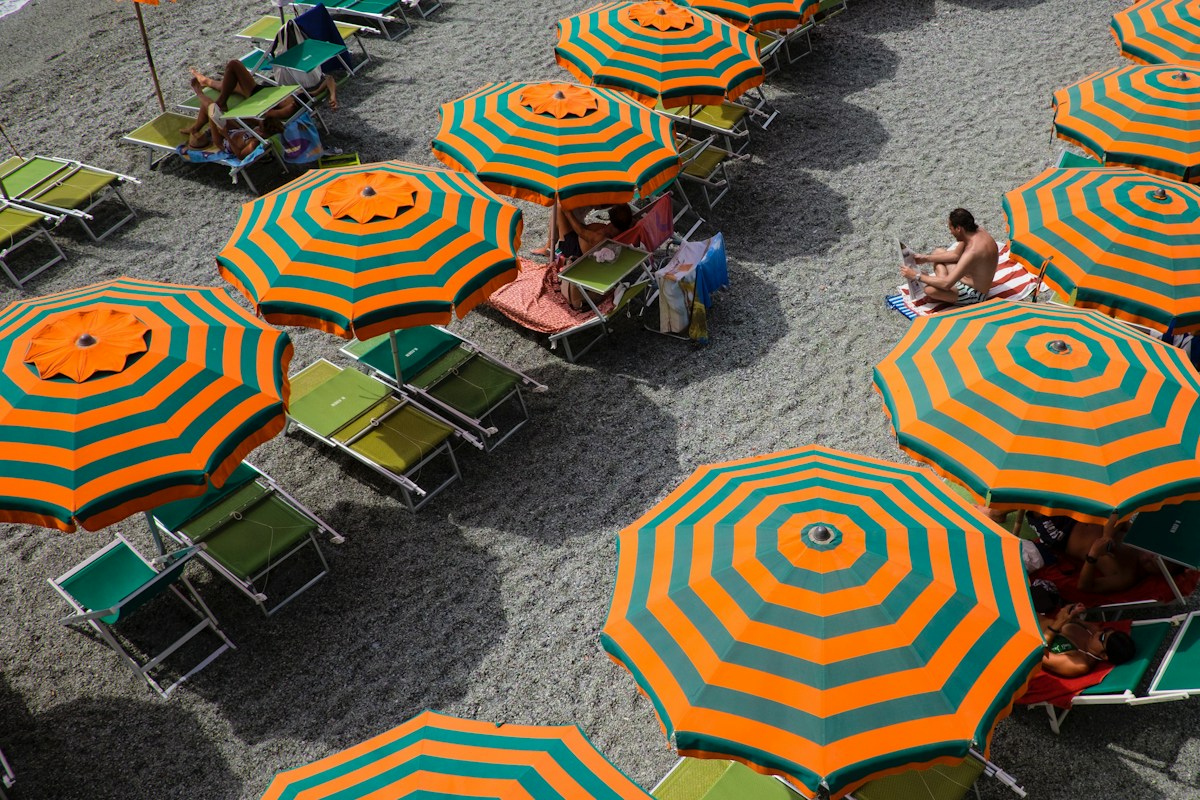
Italy in summer runs from June to August, and each of those months feels like a different trip. June is warm and still flexible. July, however, is hot and busy with foreign visitors, while August is when Italians themselves go on vacation. So this page helps you pick the right month and the right kind of place, by heat and by crowds.
The short answer: First, choose June for the best balance of warm weather, long days and bookable hotels. Pick July for evening festivals, but plan around the heat: Rome and Florence average highs of about 31 to 32 °C (88 to 90 °F). August, by contrast, suits mountains and lakes, while the coast is at its most crowded. Above all, go high or go by the sea: inland art cities are the hardest places to enjoy in midsummer.
Last updated: September 27, 2026
If your trip centers on the sea, a boat day also avoids the crowded coastal roads. For example, compare an Amalfi Coast boat tour before you fix your dates.
Italy in summer at a glance
First, here is how the three summer months compare. The temperatures are rounded 1991–2020 averages for Rome, and the crowd notes come from official tourism data.
| June | July | August | |
|---|---|---|---|
| Average high / low in Rome | 28 / 17 °C (83 / 62 °F) | 31 / 19 °C (88 / 67 °F) | 32 / 20 °C (89 / 68 °F) |
| Rainy days in Rome | About 3 | About 2 | About 2 |
| Who travels | Foreign visitors, then Italian families after schools close | Mostly foreign visitors | Mostly Italians, the busiest month of the year |
| Fixed dates | June 2, Republic Day | July 2, Palio di Siena | August 15, Ferragosto; August 16, Palio di Siena |
| Best for | Cities, coast and lakes before the peak | Festivals, islands, mountains | Mountains, lakes, cities midweek |
| Full guide | Italy in June | Italy in July | Italy in August |
In fact, the crowd pattern is measurable. According to ISTAT’s third-quarter 2025 tourism report, August was the most touristic month of the year, with about 85.2 million nights (checked September 2026). Italians, above all, made up 53.3% of them. By contrast, foreign visitors accounted for 54.1% of nights in July. Still undecided between seasons? Our guide to the best time to visit Italy compares the whole year.
June, July or August: which month of Italy in summer fits you?
In short, each month rewards a different kind of traveler. So start from your priorities, then open the month page for events and dates.
Choose June if
- You want long days without the worst heat, since highs average about 28 to 29 °C (82 to 84 °F).
- Also, you plan to mix art cities with the coast in one trip.
- Above all, you can travel in the first half of the month, before Italian schools close and beach weekends fill up.
Choose July if
- Evening events matter to you, from opera in Verona to the Palio in Siena.
- You are happy to sightsee early, then rest at midday and go out after dark.
- Finally, you want a warm sea and reliable sunshine in Sicily, Sardinia or Puglia.
Choose August if
- Your dates are fixed by school or work, and you can book early.
- You prefer the mountains or the lakes, because they suit the month best.
- In addition, you do not mind that some small family-run shops and restaurants close for part of the month.
Finally, if your dates can move, early September keeps summer weather with fewer families on the beach. Our guide to Italy in September covers that option.
Summer weather in Italy by region
The table uses 1991–2020 climate normals from NOAA’s WMO normals and Italian weather-service data (checked September 2026). Each cell shows the average high first, then the low. However, these are averages, not forecasts, and heat waves can push well above them.
| Station | June | July | August |
|---|---|---|---|
| Milan (Linate) | 28 / 17 °C (83 / 63 °F) | 31 / 19 °C (87 / 67 °F) | 30 / 19 °C (86 / 66 °F) |
| Florence (Peretola) | 29 / 16 °C (84 / 61 °F) | 32 / 18 °C (90 / 65 °F) | 32 / 18 °C (90 / 65 °F) |
| Rome (Ciampino) | 28 / 17 °C (83 / 62 °F) | 31 / 19 °C (88 / 67 °F) | 32 / 20 °C (89 / 68 °F) |
| Palermo (Boccadifalco) | 28 / 20 °C (83 / 68 °F) | 31 / 23 °C (88 / 73 °F) | 31 / 23 °C (89 / 74 °F) |
| Cortina d’Ampezzo (1,216 m) | n/a | 22 / 10 °C (71 / 51 °F) | n/a |
| Bolzano | n/a | n/a | 29 / 17 °C (85 / 62 °F) |
Two patterns stand out. First, Florence is the hottest of these cities in July and August. It sits in a basin, away from the sea. Palermo, by contrast, has similar highs but warmer nights, while the sea breeze makes the heat easier to bear. Second, altitude changes everything. For example, Cortina averages about 22 °C (71 °F) in July. Still, it sees about 13 rainy days that month, mostly short afternoon storms.
Where to go in Italy in summer, by heat and crowds
Instead of asking where is best, ask how much heat and how many people you can handle. This table sorts the main types of destination.
| Type of place | Heat | Crowds | Best summer month |
|---|---|---|---|
| Dolomites and Alps | Coolest; afternoon storms | Busy in August | Late June and July |
| Northern lakes | Warm, some breeze | Busy on weekends | June and early July |
| Islands (Sicily, Sardinia) | Hot but breezy | Peak in August | June and July |
| Mainland coast (Amalfi, Cinque Terre) | Hot | Very busy all summer | June |
| Art cities (Rome, Florence) | Hottest | Busy in June and July | June, or August midweek |
Mountains: the coolest summer escape
In fact, the Dolomites are the natural answer to Italian heat. Lifts also run all summer. According to Dolomiti Superski, the 2026 summer season ran from May 14 to November 8 (checked September 2026). However, some famous spots now limit traffic. For instance, from July 1 to September 15, 2026, the Braies valley was open from 9 a.m. to 4 p.m. only by public transport, on foot, by bike or with an online reservation. That rule comes from the official Braies site (checked September 2026).
Our Dolomites itinerary suggests bases and routes. Without a car, a Dolomites day trip from Venice gives a taste of the peaks. Meanwhile, a guided Dolomites hiking tour suits walkers.
Lakes: warm water and ferry days
The lakes offer swimming, gardens and boats, with more air than the cities. Also, ferries run their fullest schedules in summer. For example, Navigazione Laghi listed its 2026 Lake Garda summer timetable from May 16 to October 4 (checked September 2026). Weekends are busier, because city dwellers head to the shore. So compare the options in our guide to lakes in Italy. Then see the villas from a Lake Como boat tour.
Islands: the classic Italy in summer
Sicily and Sardinia deliver the long beach days most people picture when they imagine Italy in summer. The sea is warm, and rain is rare: Palermo averages under one rainy day in July. However, August brings Italian families, higher prices and full ferries, so book transport early. In Sardinia’s north, a La Maddalena boat tour reaches the archipelago’s coves. Off the Amalfi Coast, a Capri boat tour with the Blue Grotto is a popular choice with first-time visitors.
The mainland coast
The Amalfi Coast and the Cinque Terre are beautiful, but they are also small, steep and busy all summer. As a result, June is the most comfortable summer month there. Boats help, since roads and trains are crowded at midday. Our guide to Amalfi Coast ferries explains the routes. Similarly, a Cinque Terre boat tour shows the five villages from the sea.
Art cities in summer heat
Rome, Florence and Venice stay open all summer. Still, the midday heat on stone streets is tiring. So plan museums and churches for late morning, and walk outdoor sights early or after 6 p.m. In Venice, the 2026 access fee trial ended on July 27, according to the official access fee site (checked September 2026). However, no 2027 calendar was published yet, so check it before you go.

Beach booking logic for Italy in summer
Italian beaches, as a rule, come in two main forms. A stabilimento balneare is a private beach club that rents loungers, umbrellas and changing cabins by the day. A spiaggia libera, by contrast, is a free public beach where you bring your own gear. In practice, many coasts mix the two.
- Book clubs ahead for weekends. Saturdays and Sundays fill first, especially in July and August.
- Arrive early at free beaches. In peak weeks, the best spots go by mid-morning.
- Check capped beaches. Some famous beaches limit daily visitors. For example, La Pelosa in Sardinia uses reservations, explained on its official booking site (checked September 2026).
- Weekdays are calmer. Then plan beach days midweek and city days on weekends.
For help choosing a stretch of coast, read our guide to Italian beaches.
Heat, closures and Ferragosto
How to handle the heat
Italy runs an official heat-wave warning system every summer. According to the Istituto Superiore di Sanità, it covers 27 cities (checked September 2026). Bulletins come out Monday to Friday until mid-September. Meanwhile, a few habits make a hot day easier:
- Sightsee from opening time, then rest indoors from about 1 to 4 p.m.
- Refill a bottle at public drinking fountains, which many cities keep running.
- Wear a hat and light layers, but also carry a scarf to cover shoulders in churches.
- Save walking tours and dinner for the evening, when Italians go out too.
Ferragosto and the August break
Ferragosto, August 15, is a national public holiday listed by the Italian government’s ceremonial office (checked September 2026). In 2027 it falls on a Sunday. Around that date, many small family-run shops and restaurants close for part of August. Look for a sign reading chiuso per ferie (closed for vacation). However, there is no national rule, and tourist areas stay largely open.
Museums, however, keep going. For Ferragosto 2026, the Ministry of Culture confirmed that state museums would open with usual hours (checked September 2026). However, entry on August 15 was not free. Our guide to Italy in August explains what closes in detail.
Summer festivals in Italy: where to read more
Summer is festival season, and each big event has its own guide on our site. For example, the Palio di Siena runs on July 2 and August 16 each year, per the City of Siena (checked September 2026). Similarly, see our guides to the Arena di Verona Opera Festival and Umbria Jazz in Perugia. For everything else, browse our events in Italy calendar.
Summer boat trips and mountain tours
Water and altitude are the two best ways to beat the summer heat. These experience pages on our site each compare options, with prices and ratings read on Viator:
- Amalfi Coast boat tour: the coast without the traffic.
- Capri boat tour with the Blue Grotto: a classic summer day on the water.
- Cinque Terre boat tour: the villages from the sea.
- La Maddalena boat tour: Sardinia’s northern archipelago.
- Lake Como boat tour: villas and villages from the lake.
- Dolomites day trip from Venice: cool mountain air in one day.
- Dolomites hiking tour: guided walks above the heat.
On hot afternoons, do as locals do and stop for a cone. Our guide to gelato in Italy explains how to spot the real thing.
Italy in summer: frequently asked questions
What is the best month to visit Italy in summer?
June usually offers the best balance: long days, highs of about 28 to 29 °C (82 to 84 °F) and fewer crowds. July suits festivals, and August suits mountains and lakes.
How hot does Italy get in summer?
Based on 1991–2020 normals, Rome and Florence average highs of 31 to 32 °C (88 to 90 °F) in midsummer. Heat waves can go higher, while the Dolomites stay much cooler.
Is August a bad time to visit Italy?
Not bad, but busy. August is the most touristic month, mostly because Italians travel then, and some small businesses close around Ferragosto. Mountains, lakes and cities midweek work well.
Where is it cooler in Italy in summer?
The Dolomites and the Alps are the coolest option; Cortina averages about 22 °C (71 °F) in July. The lakes and the islands also feel easier than inland cities thanks to breezes.
Are museums open on Ferragosto?
State museums usually stay open on August 15 with normal hours, but entry is not free that day. Check each site before you go.
Plan your summer trip
Get out on the water or up the mountains
Compare boat trips and Dolomites tours for your summer dates, with prices and ratings read on Viator.
Book it: experiences for this trip
Matched to this article by place and interest, then ordered by Viator rating and number of reviews (checked September 2026). Prices and availability are shown live on Viator.
Keep exploring Italy