
BLOG · Italy2Love Magazine Guide
Herculaneum vs Pompeii: Which Should You Visit, and Can You Do Both? (2026)
Herculaneum vs Pompeii: size, preservation, crowds, time needed, trains from Naples and Sorrento, official tickets and hours, and how to see both in one day.
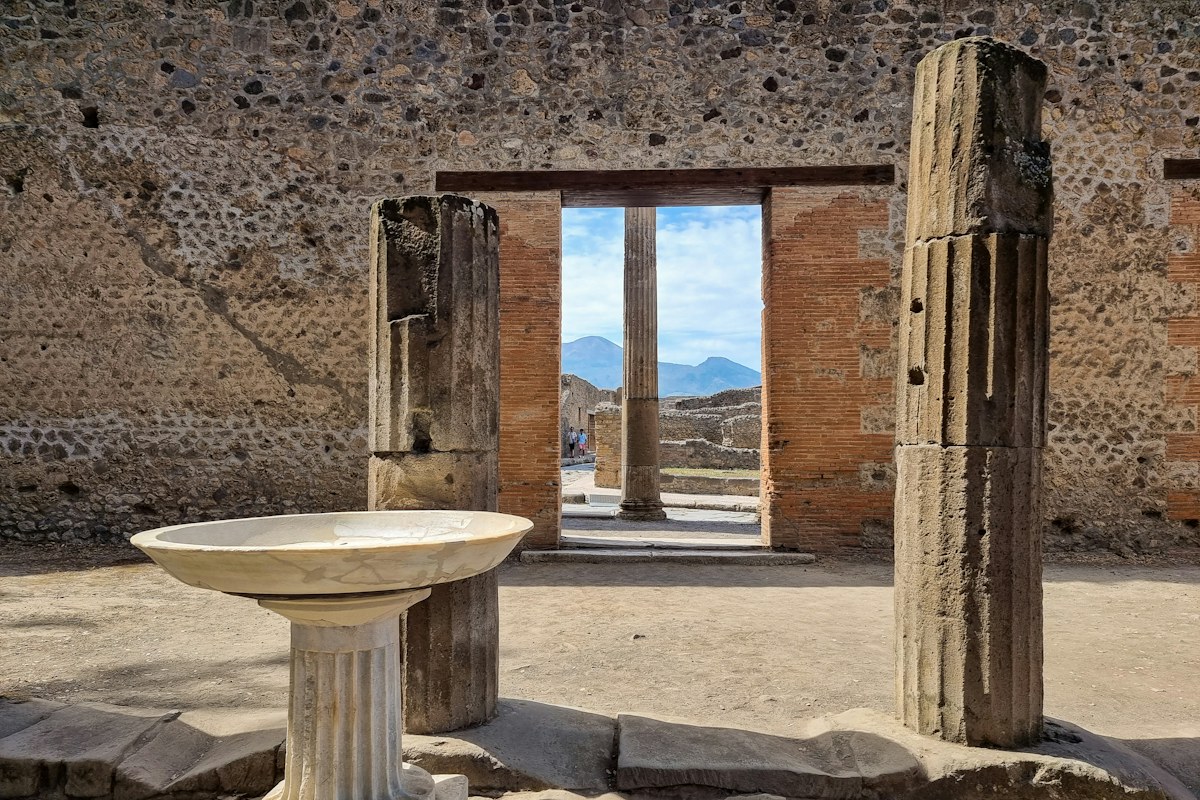
Herculaneum vs Pompeii is the choice most travelers face when they plan a day of Roman ruins from Naples or Sorrento. Both towns were buried by Mount Vesuvius in AD 79, and both sit on the same local train line. However, they give you very different days, and this guide helps you pick one, or fit in both.
The short answer: choose Pompeii if you want the full scale of a Roman city, with its forum, amphitheater, long streets and the Villa of the Mysteries. Choose Herculaneum if you have half a day, dislike crowds or want the best-preserved houses, with upper floors and carbonized wood. In the Herculaneum vs Pompeii question, Herculaneum wins on detail and ease, while Pompeii wins on size and variety. Fit and curious travelers can do both in one long day.
Last updated: September 26, 2026
Herculaneum vs Pompeii at a glance
| Herculaneum (Ercolano) | Pompeii | |
|---|---|---|
| Size | A compact town, walkable in 2–3 hours | A full city; plan at least half a day |
| Preservation | Upper floors, wooden beams and doors survive | Wider view of city life; many roofs collapsed |
| Crowds | Smaller site, so it rarely feels overwhelming | Daily cap of 20,000 entries |
| Train stop | Ercolano Scavi (Circumvesuviana) | Pompei Scavi–Villa dei Misteri (Circumvesuviana) |
| Standard ticket | About €16 (checked September 2026) | About €20 Express or €25 Plus (checked September 2026) |
| Best for | Short visits, detail lovers, families | First-timers who want the classic Roman city |
What actually happened in AD 79
The eruption hit the two towns in different ways, and that difference explains most of what you see today. Pompeii, to the southeast of the volcano, was buried first under falling pumice and ash, which caused many roofs to collapse. Herculaneum, on the coast west of Vesuvius, was then engulfed by pyroclastic flows, which sealed it under a much deeper layer of volcanic material.
As a result, organic material survived at Herculaneum that vanished almost everywhere at Pompeii. You can still see charred wooden beams, a wooden partition screen, staircases leading to second floors and even carbonized food. In addition, excavations in the old boat sheds on the ancient shoreline uncovered the remains of hundreds of residents who had tried to escape by sea. If you want these details explained on site, our comparison of two Herculaneum tours shows the ways to visit with a guide.
Size and time: how long each site takes
Size is the biggest practical difference in the Herculaneum vs Pompeii decision. Archaeologists estimate that ancient Herculaneum covered about twenty hectares, yet only a little more than four are excavated and visible today. Pompeii, by contrast, is a full city of around 44 hectares, with gates, long straight streets, public baths, theaters and the oldest surviving Roman amphitheater.
- Herculaneum: two to three hours covers the main houses, the baths and the shoreline. You look down on the town from street level first, which makes it easy to read.
- Pompeii: three hours is a fast first visit. A full day is realistic if you also want the Villa of the Mysteries, outside the city walls, and the amphitheater at the far eastern end.
- Walking: Pompeii means long distances on uneven Roman paving, often with little shade. Herculaneum is compact, although it still has steps and ramps.
Preservation: which site feels more alive?
Herculaneum feels like a neighborhood where people just stepped out. Houses keep their upper stories, frescoed rooms and mosaic floors in small, intimate spaces. For example, the House of Neptune and Amphitrite still has its glittering wall mosaic, and the shop next door keeps its wooden shelving.
Pompeii, on the other hand, shows how a whole Roman city worked. You walk from the forum to bakeries, bars, brothels and villas, and you see the plaster casts of victims. In fact, the frescoes of the Villa of the Mysteries are among the best-known paintings of the Roman world. So the fair summary of Herculaneum vs Pompeii is depth against breadth.
Crowds and comfort
Pompeii is one of the most visited sites in Italy, and it now manages numbers with named tickets. The Pompeii park timetable page states a daily limit of 20,000 entries; from March 16 to October 14 it also caps morning entries at 15,000 and afternoon entries at 5,000 (checked September 2026). As a result, booking ahead matters most on weekends, holidays and the free first Sunday of the month.
Herculaneum is a much smaller site, and many visitors find it the calmer choice. Meanwhile, both sites are hot and exposed in summer, so the first hour after opening is the most comfortable time at either one. Fall is gentler; see our guide to Italy in fall for what to expect in October and November.
Getting to Herculaneum and Pompeii from Naples or Sorrento
Both sites sit on the Circumvesuviana, the local railway that links Naples with Sorrento around the Bay of Naples. That is why the Herculaneum vs Pompeii choice rarely comes down to logistics.
- Herculaneum: the official Herculaneum site tells visitors to take the Circumvesuviana Napoli–Sorrento line from Napoli Centrale to Ercolano Scavi, then walk about six minutes to the entrance at Corso Resina 187 (checked September 2026).
- Pompeii: according to the Pompeii park, the same Napoli–Sorrento line stops at Pompei Villa dei Misteri, the station for the Porta Marina and Piazza Esedra entrances (checked September 2026).
- From Sorrento: ride the same line in the opposite direction. Pompeii comes first, and Herculaneum is closer to Naples.
- From Rome: reach Naples by high-speed train (see our Rome to Naples train guide), then change to the Circumvesuviana. Our guide to visiting Pompeii from Rome or Naples compares that option with a tour.
Trains on this line can be crowded, so keep your bag in front of you at all times. In addition, check the times on the day, because service changes are common.
Tickets and opening hours
The two parks are run separately, so you plan and book them independently. Also, both parks sell tickets on their own official sites.
Herculaneum tickets
The Herculaneum ticket page lists a standard ticket of about €16 and a reduced €2 ticket for EU citizens aged 18 to 25 (checked September 2026). It also lists these hours:
- From March 16 to October 14: 8:30 a.m. to 7:30 p.m., with last entry at 6 p.m.
- From October 15 to March 15: 8:30 a.m. to 5 p.m., with last entry at 3:30 p.m.
- Closed on January 1 and December 25; entry is free on the first Sunday of the month.
Pompeii tickets
At Pompeii, the Express ticket (about €20) covers only the ancient city, while Pompeii Plus (about €25) adds the Villa of the Mysteries and other suburban sites, according to the same park page (checked September 2026). Tickets allow one entry only, with no re-entry. The site opens at 9 a.m.; last entry is 5:30 p.m. in the summer season and 3:30 p.m. from October 15 to March 15. For every ticket option, read our Pompeii tickets guide, and for other sites across the country, our tickets hub.
Can you do Herculaneum and Pompeii in one day?
Yes, but only if you start early and accept a long, tiring day. Because both sites share one train line, the transfer is simple. Here is a plan that works in any season:
- 8:30 a.m.: enter Herculaneum at opening and spend about two and a half hours there.
- 11:30 a.m.: walk back to Ercolano Scavi and take the Circumvesuviana toward Sorrento to Pompei Villa dei Misteri.
- Lunch: eat near the station; Pompeii’s visitor rules ban eating outside designated areas and limit bags to 30x30x15 cm (checked September 2026).
- 1 p.m.: enter Pompeii and focus on the forum, the main streets, a few houses and, with a Plus ticket, the Villa of the Mysteries.
However, remember the early winter hours. From October 15, last entry at Pompeii is 3:30 p.m., so the afternoon half has to be tight. If you can only manage one, pick by the table above. Alternatively, spread them over two days from a base in Naples or Sorrento; our things to do in Sorrento guide and the Naples travel guide can help you choose.
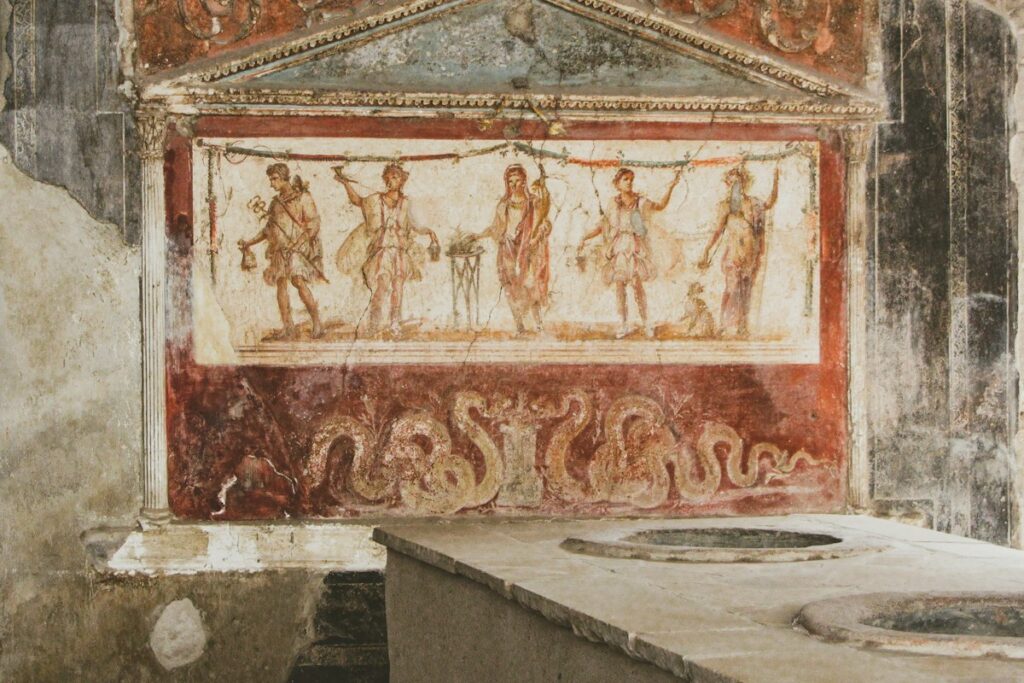
Guided tours of Herculaneum and Pompeii
A guide makes a real difference at both sites, because very little is signposted in English. Our Herculaneum tour comparison sets two ways to visit the town side by side, so you can see which one fits your pace. For Pompeii, these experience pages cover the most common formats:
- Pompeii and Vesuvius day trip from Naples, which pairs the ruins with the volcano that buried them.
- Pompeii day trip from Rome, for travelers without a base in Campania.
- Pompeii and Amalfi Coast day trip from Naples, which adds a coastal drive to the ruins.
- Paestum tour comparison, if Greek temples interest you as much as Roman streets.
Each page lists prices and ratings read on Viator. For more options, see our Naples tours and best day trips from Naples guides. You can then build the ruins into a longer southern Italy itinerary.
For Greek rather than Roman ruins, plan a Paestum day trip south of Salerno.
Herculaneum vs Pompeii: frequently asked questions
Is Herculaneum better than Pompeii?
Neither is better overall. Herculaneum is smaller and better preserved, with upper floors and wood, while Pompeii is a much larger city with more variety.
How long do you need at Herculaneum vs Pompeii?
Plan two to three hours for Herculaneum. For Pompeii, three hours is a quick visit and a full day lets you see the outlying villas.
Which train station is closest to Herculaneum and Pompeii?
Use Ercolano Scavi for Herculaneum and Pompei Villa dei Misteri for Pompeii. Both are on the Circumvesuviana Naples–Sorrento line.
Can I visit Herculaneum and Pompeii on the same ticket?
No. The two parks sell separate tickets, so book each one on its own official site.
Is Herculaneum good for kids?
Yes. Its compact size and short walking distances make it easier for families than Pompeii.
Plan your day among the ruins
Compare Herculaneum and Pompeii tours
Find a guided visit to Herculaneum, or pair Pompeii with Vesuvius or the coast, with prices and ratings read on Viator.
Book it: experiences for this trip
Matched to this article by place and interest, then ordered by Viator rating and number of reviews (checked September 2026). Prices and availability are shown live on Viator.
Keep exploring Italy