
BLOG · Italy2Love Magazine Guide
Family Vacation in Italy: 7, 10 and 14-Day Itineraries
Plan a family vacation in Italy with realistic 7, 10 and 14-day itineraries, fewer hotel changes, activities for kids and practical train tips.
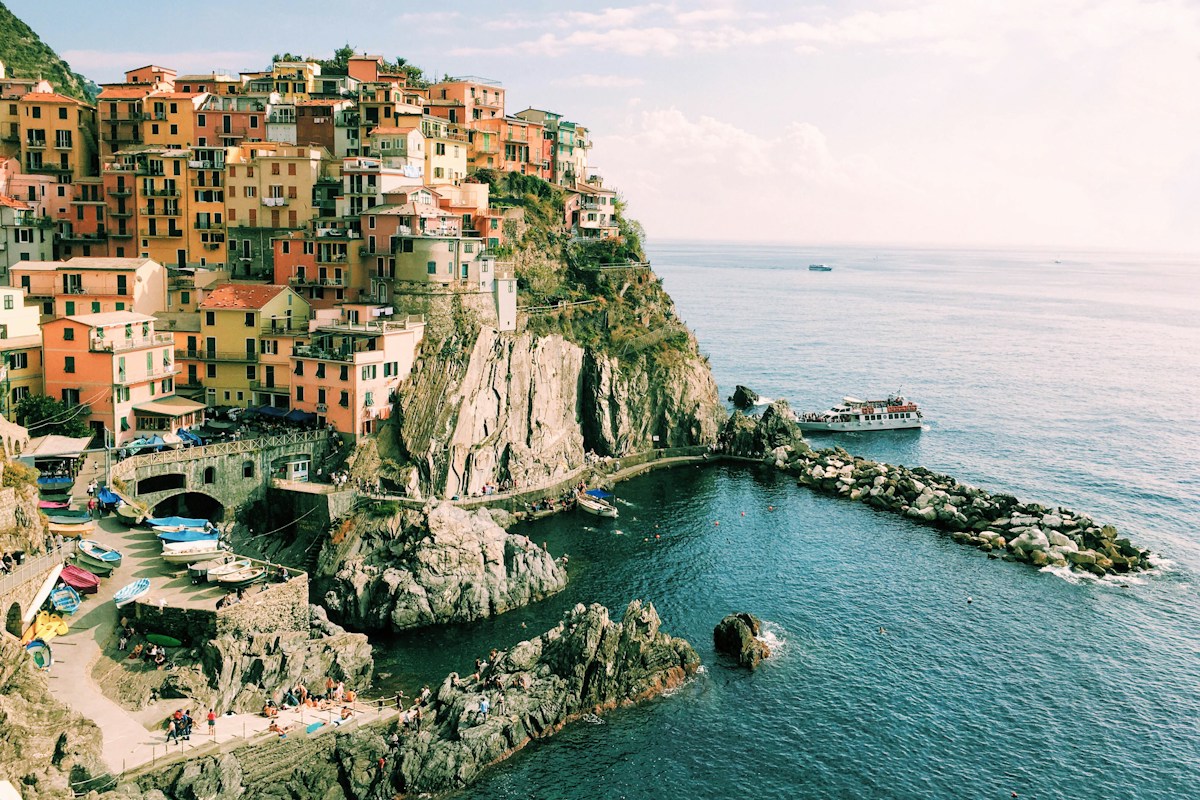
ITALY2LOVE · FAMILY ITINERARY PLANNER
Three realistic routes. More family memories. Less rushing.
Planning a family vacation in Italy? Compare three itineraries built around fewer hotel changes, age-appropriate activities and downtime—not a race through every famous landmark.
Quick answer: for a first family trip to Italy, spend a week in Rome and Florence, ten days in Rome, Florence and Venice, or two weeks combining cultural cities with a slower countryside or lake stay. Keep to two, three and four accommodation bases respectively, and reserve flexible time after each travel day. For age-based destination advice, start with our complete Italy with kids guide.
Which Italy family itinerary is right for you?
| Length | Best for | Route | Hotel bases |
|---|---|---|---|
| 7 days | First visit, younger children | Rome → Florence | 2 |
| 10 days | School-age children, first-time visitors | Rome → Florence → Venice | 3 |
| 14 days | Families who want cities and nature | Rome → Tuscany → Lake Garda → Venice | 4 |
These itineraries prioritize meaningful experiences rather than checking attractions off a list. Travel times depend on connections and schedules; confirm your actual dates with rail operators before booking. If you travel with babies or toddlers, fewer bases are almost always easier.
7 days in Italy with kids: Rome and Florence
Recommended bases: 4 nights in Rome and 3 in Florence. Best for families on their first Italian trip who want history, food and a manageable high-speed train transfer. This is a sample seven-night trip; if your flights leave on day seven, remove one activity or one overnight.
Day 1 — Arrive in Rome and settle in
Arrive, check into accommodation near useful transport, take a gentle neighborhood walk and enjoy a relaxed dinner. Resist booking a timed attraction immediately after an international flight. Pick up drinking water, familiar snacks and breakfast essentials.
Day 2 — Ancient Rome without exhaustion
Start with a prebooked family-friendly Colosseum visit. Keep the Roman Forum optional: uneven surfaces and heat can make a long archaeological tour tiring for small children. Leave the afternoon free for gelato, shade and an early evening.
Day 3 — Villa Borghese, parks and open space
Give children time to run and explore Villa Borghese. Older kids can enjoy a museum or an engaging neighborhood scavenger hunt; younger children may prefer playgrounds and a picnic. Avoid stacking another major museum.
Day 4 — Vatican area or hands-on cooking
Choose one: the Vatican Museums for children who enjoy art and can handle crowds, or a Rome cooking experience for an activity-led day. The Vatican Museums have their own ticket and child rules, separate from Italian state museums.
Day 5 — Train to Florence
Travel from Roma Termini or Roma Tiburtina to Firenze Santa Maria Novella on an appropriate high-speed service. Allow room around check-out and station arrival, then enjoy Florence’s historic center at an easy pace. For rail planning, read our Rome–Florence train guide.
Day 6 — Florence for families
See Piazza del Duomo from outside, explore a manageable part of the center and select a hands-on activity—such as a pizza or gelato workshop—rather than a full-day museum marathon. For a museum visit, preselect one collection and a realistic duration.
Day 7 — Choose a relaxed Tuscan finale
Stay in Florence for artisan workshops and the riverside, or plan an easy day trip if your travel arrangements allow it. Compare day trips from Florence and leave sufficient time for onward travel.
10 days in Italy with kids: Rome, Florence and Venice
Recommended bases: Rome (4 nights), Florence (3 nights) and Venice (3 nights). This route works well for school-age children who want a mix of ancient sites, creative activities and the extraordinary experience of a city built on canals.
- Day 1 — Rome arrival: check in, wander locally and sleep early.
- Day 2 — Colosseum and ancient Rome: one guided or self-paced major sight, followed by free time.
- Day 3 — Parks and piazzas: Villa Borghese and a relaxed food stop.
- Day 4 — Choose your Rome experience: museum, children’s historical tour or cooking class.
- Day 5 — Train to Florence: check in and explore the center without a rigid schedule.
- Day 6 — Florence art and gelato: one museum or attraction, plus a hands-on family experience.
- Day 7 — Tuscany at your own pace: choose an easy countryside outing, or stay in Florence to avoid another transfer.
- Day 8 — Train to Venice: arrive, walk the neighborhood, enjoy your first vaporetto journey.
- Day 9 — Venice and its islands: either central Venice or a Murano and Burano excursion; don’t force both into a frantic schedule.
- Day 10 — Venice at a slower pace: a small craft workshop, market visit or quiet canal walk before departure, if flight timing permits.
Why this route works
Three bases keep the packing manageable while allowing clear variety. High-speed train routes cover the intercity legs; in Venice, stairs and bridges make a baby carrier useful. Stay somewhere accessible from your arrival point, particularly with large luggage.
Alternative for toddlers: replace Venice with Lake Garda
Venice’s stepped bridges can be difficult with a stroller. A longer lakeside stay around Lake Garda may suit toddlers better, especially in warm months. That adjustment changes transport planning and may make a rental car useful for certain accommodation locations; compare routes before choosing.
14 days in Italy with kids: cities, Tuscany and Lake Garda
Recommended bases: Rome (4 nights), countryside Tuscany (4 nights), Lake Garda (4 nights), Venice (2 nights). This version adds slower outdoor days without turning the itinerary into a daily transfer challenge. It requires planning for rail-to-countryside and countryside-to-lake connections; a car may be convenient for rural accommodation, but it is not necessary inside Rome or Venice.
- Day 1: Arrive in Rome, rest and take a short neighborhood stroll.
- Day 2: Explore the Colosseum and the surrounding archaeological area at child-friendly pace.
- Day 3: Spend time in Villa Borghese, then enjoy food and neighborhood discoveries.
- Day 4: Choose a Vatican-area visit or practical family workshop; pack for departure.
- Day 5: Travel toward Florence and transfer to your chosen Tuscan base.
- Day 6: Explore Florence on a focused half-day visit, leaving the afternoon relaxed.
- Day 7: Enjoy your countryside accommodation, pool or agriturismo activities where offered.
- Day 8: Choose a low-pressure outing to a town, local market or cooking workshop.
- Day 9: Travel to Lake Garda and spend the evening on the lakeside.
- Day 10: Enjoy a ferry journey or an easy lakeside promenade, checking seasonal schedules.
- Day 11: Plan a theme park day for children who enjoy rides, or a slower outdoor alternative.
- Day 12: Explore another lake town, swim where safe and permitted, or keep the day free.
- Day 13: Continue to Venice, settle in and take a gentle canal-side walk.
- Day 14: Experience a short Venice highlight, then depart depending on flight times.
Flight strategy: an open-jaw ticket (arriving in Rome and departing from Venice) may save backtracking. Compare its total cost with return flights and additional trains. If flight schedules remove a full day at either end, adjust the nights rather than squeezing in every stop.
Other two-week options: families who prefer the sea can replace the lake with an appropriate coastal base; hiking-focused families may prefer the Dolomites in summer. These are alternatives, not extra stops to add.
How to adjust each Italy itinerary by age
| Age | Planning rhythm | Good activities | Avoid |
|---|---|---|---|
| 0–5 years | One major activity, rest or nap time, fewer bases | Parks, easy boat outings, countryside | Long museum queues and frequent hotel changes |
| 6–12 years | One landmark plus interactive discovery | Colosseum storytelling, cooking, crafts | Back-to-back guided visits |
| 13–17 years | Give each teen an activity choice | Food tours, photography, outdoor adventures | Overly rigid itineraries without free time |
How much does a family vacation in Italy cost?
Budget depends heavily on travel dates, family size, accommodation, transportation and whether you book private tours. Instead of showing unreliable fixed prices, compare the same cost categories for all three itineraries:
- Accommodation: calculate nightly cost multiplied by nights, plus local tourist taxes where applicable.
- Transport: include airport transfers, intercity trains, local public transport and any rural car rental, parking or tolls.
- Attractions: separate entrance tickets from guided tour fees, and check child reductions for your specific venue.
- Food: plan for flexible family meals, groceries and snack stops rather than assuming every meal is a sit-down restaurant.
- Contingency: leave room for weather changes, unexpected transfers and rest days.
One useful saving: Italian state museums and archaeological sites generally grant free admission to visitors under 18, but booking arrangements and guided tours can still involve charges. See the Italian Ministry of Culture’s official concession rules. Children may also qualify for Trenitalia’s FrecciaFAMILY offer on eligible trains, subject to its group, booking and availability conditions.
Experiences to consider along your family route
Rome: historical discovery
Explore age-appropriate Rome attractions and consider a family-oriented Colosseum tour. Confirm minimum ages and accessibility on the operator listing.
Florence: cooking and crafts
A shared food workshop can break up museum visits. Browse the Florence cooking class guide and check age requirements.
Venice: boats and artisans
Consider a lagoon islands excursion or workshop; choose duration and format with your children in mind.
We never recommend a tour solely because it has strong reviews: duration, physical effort, safety guidance and minimum age matter just as much. Bookable inventory, prices and ratings may change. Browse Italy2Love’s experience catalog for current options.
FAMILY ACCOMMODATION PLANNER
Where to stay in Italy with kids: choose the right family base
For a family trip, the location and layout of your accommodation can matter more than an extra hotel star. Aim for somewhere convenient to your daily activities, with sufficient sleeping space and an easy route back for naps or breaks. Compare apartments, family rooms and countryside agriturismi depending on your route.
Rome: stay near useful transport
Look for a well-connected neighborhood, family room or apartment, lift access and manageable walks. Check actual walking routes, not just distances on a map.
Florence & Tuscany: city or farm?
Stay in central Florence for train-based itineraries. A countryside agriturismo makes more sense if you plan pool time, rural activities and have transport arranged.
Venice: minimize bridge crossings
Compare accommodation by the actual path from a vaporetto stop or station. Bridges, stairs and luggage can be tiring with strollers.
Lake Garda: check access and facilities
For multi-day lake stays, compare beach or promenade access, parking if driving, kitchen facilities, cancellation terms and access to seasonal ferry services.
FAMILY-FRIENDLY STAY IDEAS
Where to stay with kids: five family-friendly bases
Explore options along the 7-, 10- and 14-day itineraries. The photographs illustrate destinations and accommodation styles, not verified photographs of bookable hotels.
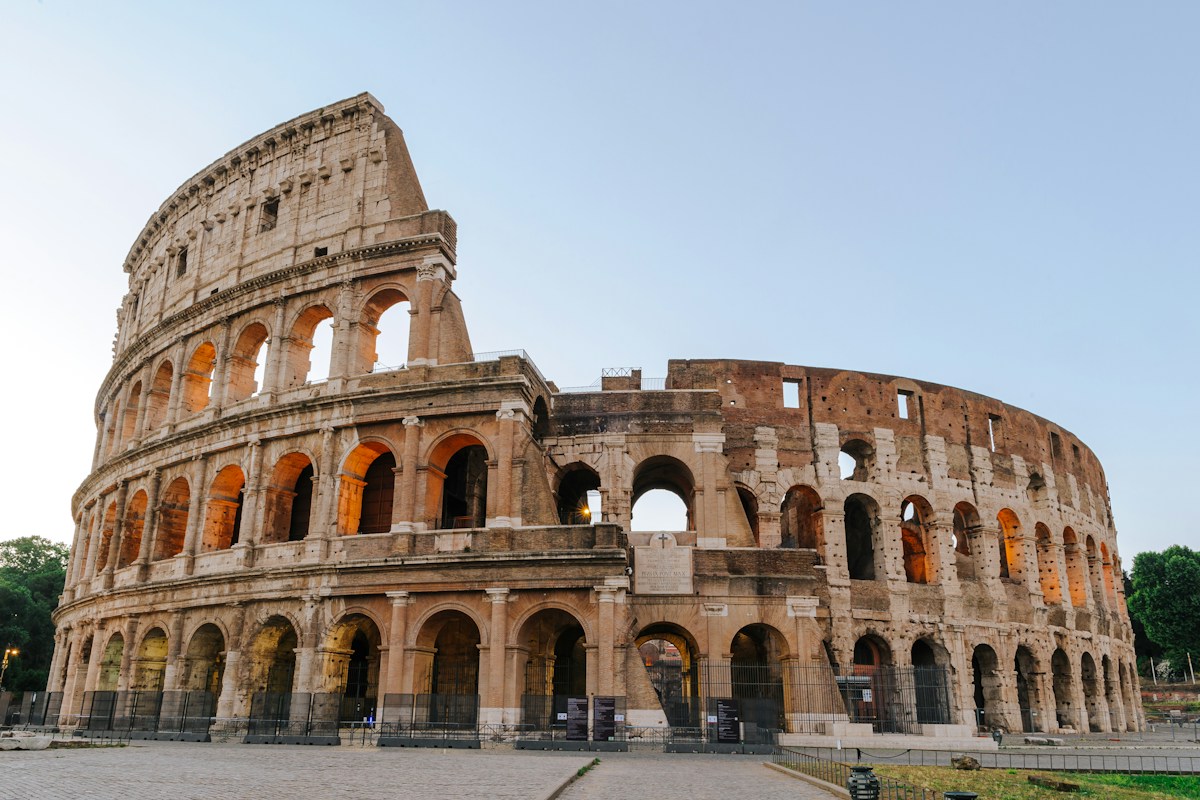
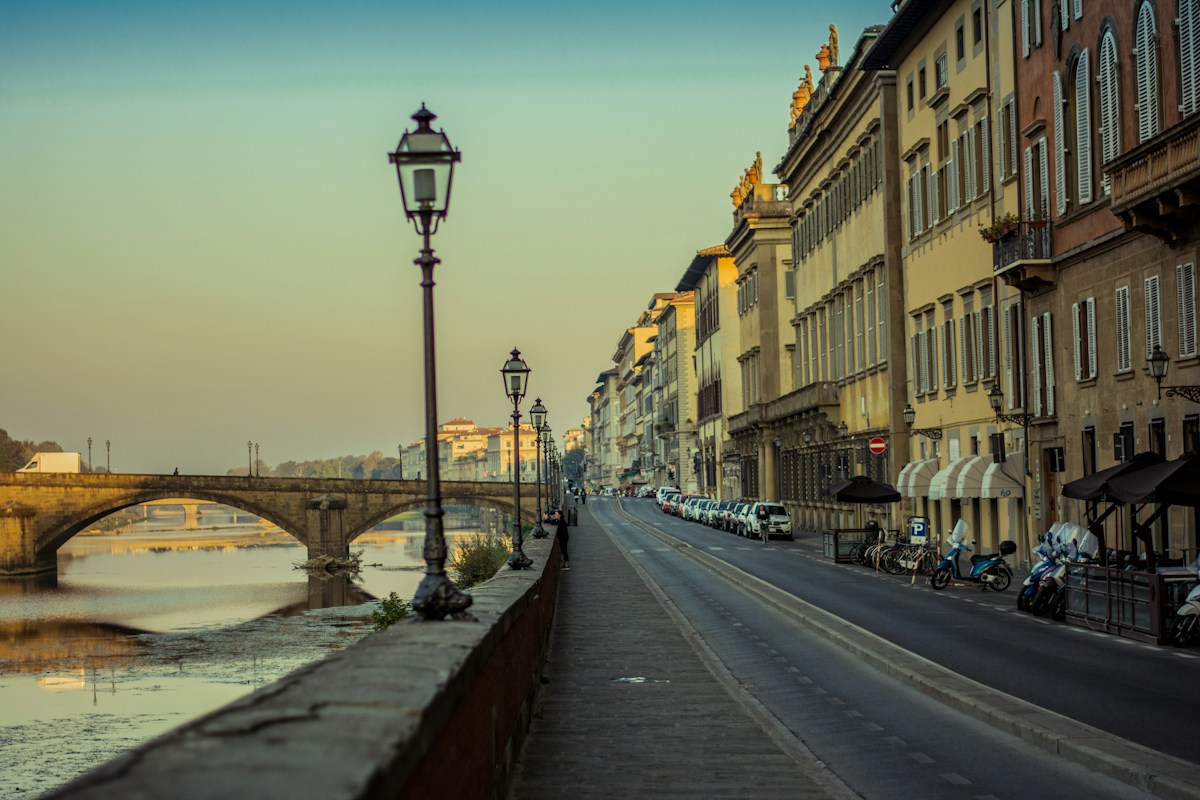
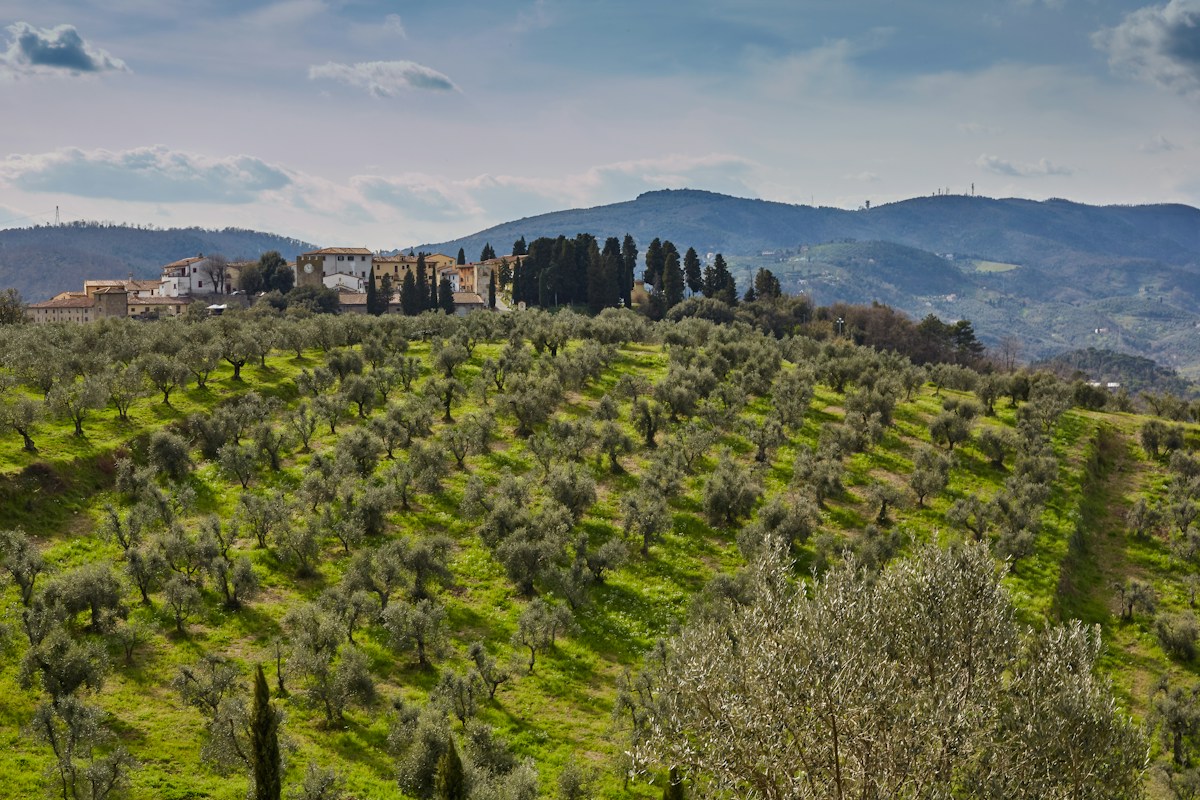
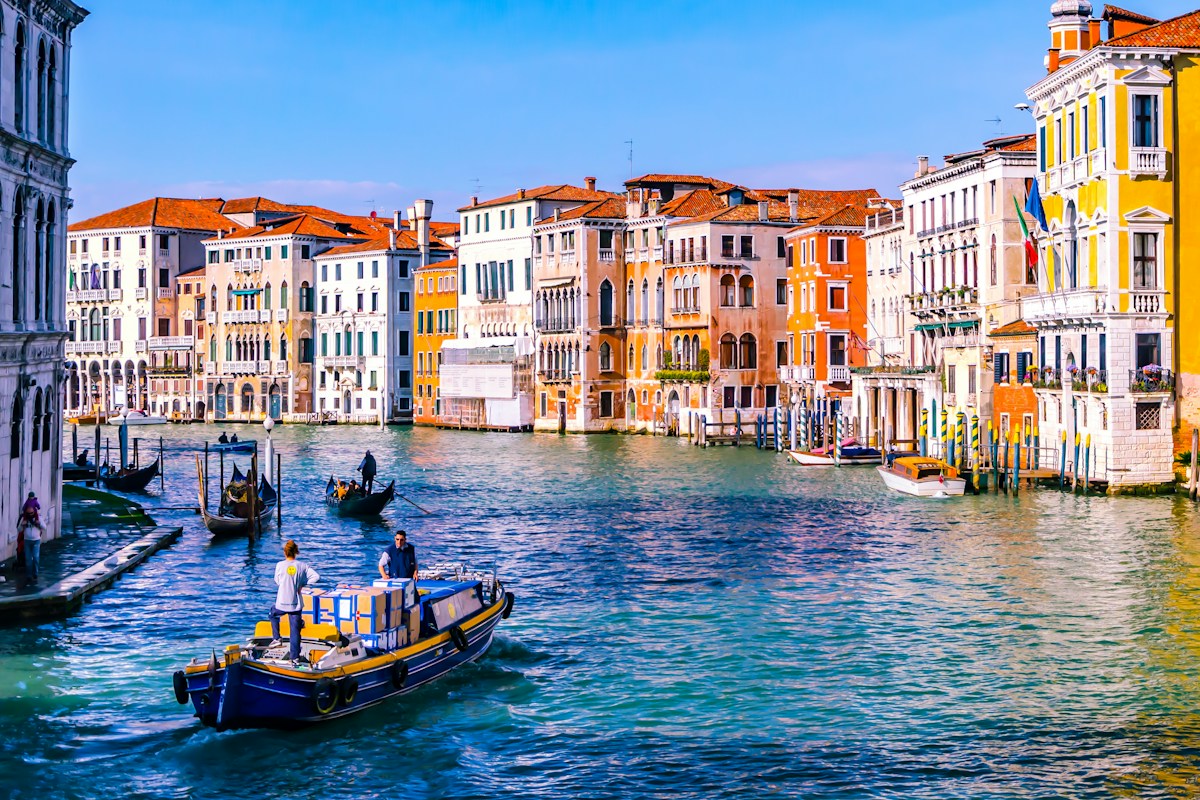
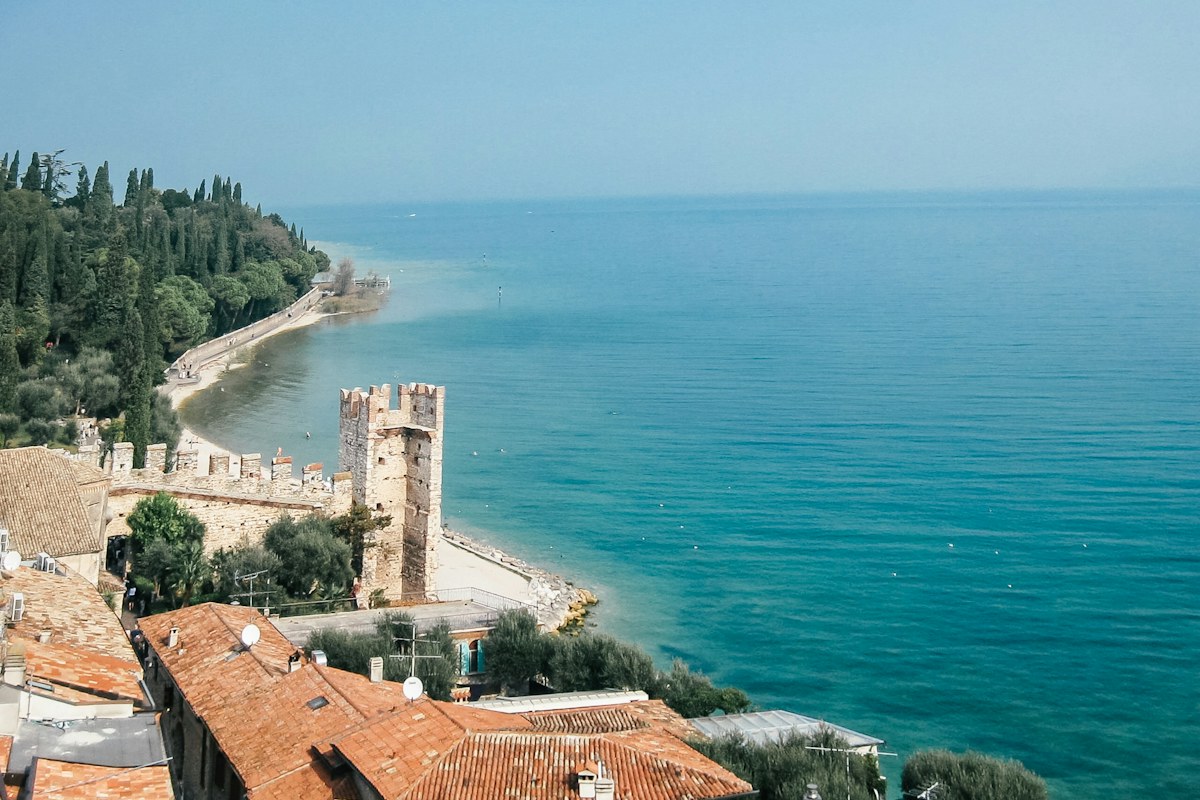
Before booking, confirm room capacity, family amenities, accessibility, cancellation terms and total charges. See our Where to Stay guide. Hotel-specific affiliate booking links will be added only when verified for the actual property or location.
Compare accommodation for each family-friendly base
Choose the destination from the photographic cards above, then compare available hotels and apartments on Expedia. The links below open destination-wide search results, not specific properties.
Florence
Chianti countryside
Venice
Peschiera del Garda
Important: these affiliate links include example dates (October 29–30, 2026) and 2 adults. Change travel dates, number of adults, children and children’s ages on Expedia before comparing offers. Italy2Love may earn a commission at no extra cost to you.
Family accommodation checklist before booking
- Confirmed maximum occupancy, bed configuration and crib availability
- Air conditioning for hot months and heating for cooler stays
- Lift or step-free access if bringing a stroller
- Kitchen or fridge, laundry options and nearby groceries
- Cancellation policy, city tourist tax and any cleaning or parking fees
Smart booking approach: compare the total price for the whole family, including taxes and extras, rather than the headline nightly rate. Italy2Love’s Where to Stay hub provides destination-focused research to help you shortlist options; individual hotel prices and availability must be checked for your dates.
FAMILY TRANSPORT DECISION
Renting a car in Italy with kids: when it is worth it
You do not need a rental car for every family vacation in Italy. The seven-day Rome–Florence and ten-day Rome–Florence–Venice routes work well by train. Renting a car becomes more useful when your accommodation is in rural Tuscany, outside well-served lake towns or in places where local buses are infrequent.
| Route | Suggested choice | Reason |
|---|---|---|
| 7 days: Rome + Florence | Train | City centers and intercity connections |
| 10 days: Rome + Florence + Venice | Train | Avoid city traffic, parking and car-free Venice |
| 14 days: Tuscany + Lake Garda | Train + optional car | More flexibility at rural bases and less-served areas |
Seven checks before booking a family rental car
- Child seats: reserve the correct approved restraint for each child’s height and needs; confirm availability with the rental supplier in advance.
- Driver documents: check licence recognition and whether an International Driving Permit is required for your country of issue.
- Total cost: compare rental days, insurance terms, deposits, fuel, tolls and parking.
- Limited traffic zones (ZTL): many historic centers restrict vehicle entry; ask your accommodation about access and permitted routes.
- Car size: confirm enough luggage room with every passenger and car seat aboard.
- One-way fees: collecting in Florence and returning near Venice may cost extra.
- Collection point: consider renting only after leaving a city and returning before arriving in Venice.
For regulations, ZTLs and practical tips, use our Driving in Italy guide. Family safety rules and rental-company conditions should be verified again before departure.
CHOOSE YOUR PICKUP LOCATION
Compare family rental cars by pickup location
Only rent for the portion of your itinerary when a car helps. For the Rome–Florence–Venice city route, trains are usually the simpler choice. For countryside stays and lake exploration, compare rental options for your actual travel dates.
Florence city centre
Best after visiting Florence, before collecting a car for rural Tuscany.
Florence Airport (FLR)
Useful when arriving in Florence and heading directly to countryside accommodation.
Pisa Airport (PSA)
An alternative for western Tuscany, Lucca and coastal stays.
Verona Airport (VRN)
A possible pickup point for Lake Garda and surrounding towns.
Rome Fiumicino Airport (FCO)
Consider for a road trip leaving Rome; not necessary for a city-only stay.
Milan Malpensa Airport (MXP)
Useful for northern Italy itineraries beyond Milan city.
Venice Marco Polo Airport (VCE)
For onward road trips into Veneto or the Dolomites, not for visiting car-free Venice.
Affiliate disclosure: Italy2Love may earn a commission on bookings made through these Expedia links, at no additional cost to you. Compare the total price, deposit, insurance terms, child-seat availability and pickup conditions before booking. Destination and availability are determined by Expedia.
Booking tip: compare offers only after you have selected your accommodation and know whether private parking is available. Avoid reserving a car for days when it will remain unused in a city garage.
Compare rental cars for your family trip
Need a car for Tuscany, Lake Garda or a countryside stay? Compare vehicle sizes, pickup locations, child-seat options and total rental conditions for your travel dates before booking.
Compare rental cars on Expedia →
Affiliate disclosure: Italy2Love may earn a commission if you book through this link, at no additional cost to you.
Six practical family travel tips for Italy
- Book the non-negotiables: reserve high-demand attractions and intercity transport when your dates are certain.
- Protect downtime: your best afternoon may be in a park, not another museum.
- Keep luggage manageable: trains, cobbled streets and Venetian bridges reward light packing.
- Check accessible routes: cobblestones, hills and stepped bridges are important with strollers.
- Carry water and essentials: refillable bottles, sun protection and weather layers help.
- Choose the right base: a well-located apartment or hotel may be worth more than an ambitious sightseeing list. Explore where to stay in Italy.
Italy family vacation itinerary: frequently asked questions
Is seven days enough for Italy with kids?
Yes, if you limit yourself to two bases. Rome and Florence are a practical first-time pairing. A week is not enough to enjoy all of Italy, so avoid adding multiple one-night stops.
Is 10 or 14 days better for a first family trip?
Ten days suits three cities and school-age children; fourteen days creates space for countryside, lakes or beaches. Choose according to the youngest traveler’s pace and flight distances.
Should we rent a car in Italy with children?
Not necessarily. Train travel is convenient for Rome, Florence and Venice. A car can help for rural Tuscany or some lake accommodations; remember approved child-restraint requirements and restricted traffic zones.
Can we do Rome, Florence and Venice in seven days?
It is possible but often rushed with children. Two destinations in seven days offer more time to enjoy each place.
What is the best season for a family vacation in Italy?
Spring and early autumn often make city visits more comfortable. Summer suits beaches and mountain trips but can be hot and crowded in major cities. Review regional weather and school holiday constraints before deciding.
Build a trip that works for your family
Use these routes as a flexible framework, then choose destinations by age and interests. Start with our Italy with kids travel planner, explore trip-planning resources, and compare experiences across Italy.
Editorial review: October 23, 2026. All routes are suggested examples; schedules, offers and venue policies can change. Some linked experience pages may contain affiliate links.
Keep exploring Italy