
BLOG · Italy2Love Magazine Guide
Fiera di Sant’Orso 2027: Aosta Craft Fair & Travel Guide
Fiera di Sant'Orso 2027 comes to Aosta Jan 30–31. Plan your visit to the historic craft fair, food pavilion and winter Alpine city.
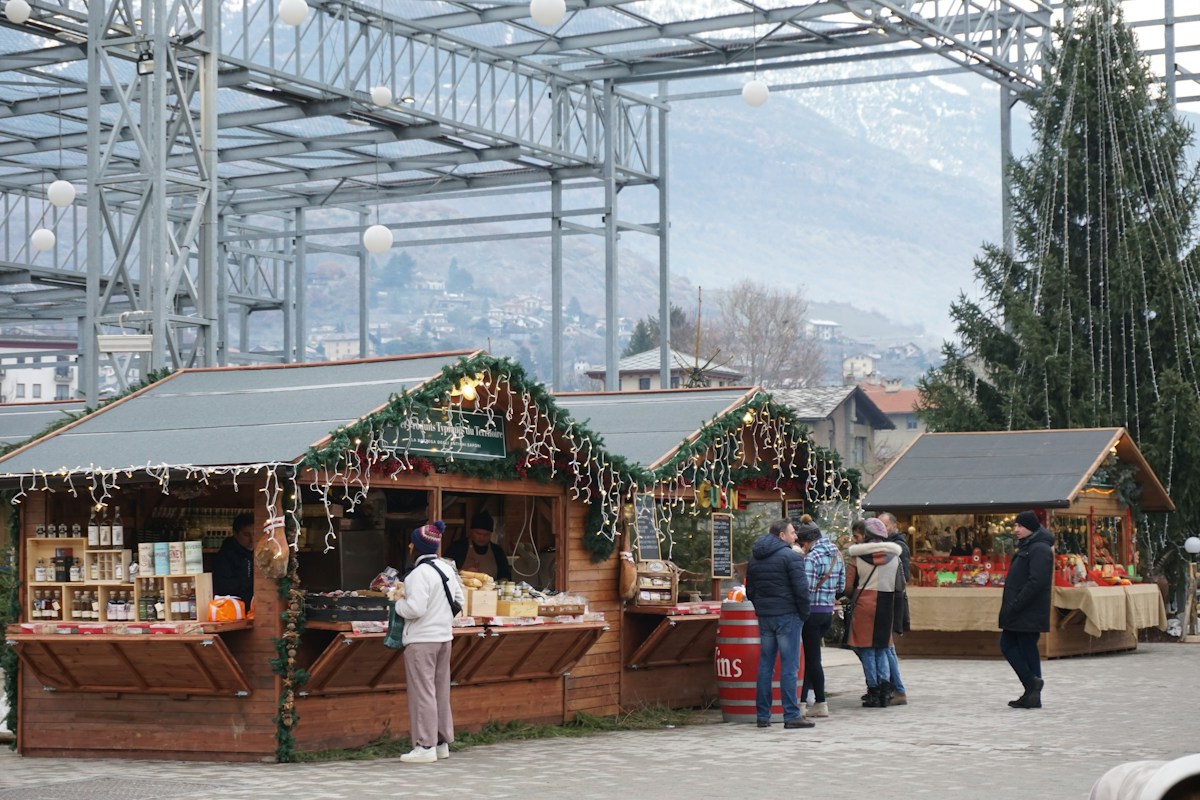
Fiera di Sant’Orso 2027 takes place in Aosta on January 30–31, 2027. The historic Alpine craft fair fills the old town with woodcarvers, sculptors, textile makers and regional traditions, while the professional artisans’ exhibition and food pavilion begin two days earlier, on January 28. For international visitors, it is an unusually good reason to plan a winter city break in the Aosta Valley: you can meet the makers, discover local food and explore Roman heritage against an Alpine backdrop.
Information checked on October 14, 2026. The regional government has confirmed the dates. Specific 2027 opening hours, individual performances and transport arrangements may still change; reconfirm before booking.
Fiera di Sant’Orso 2027: key facts
| Event | Fiera di Sant’Orso (Foire de Saint-Ours), the Saint Ursus Fair |
| 2027 dates | Saturday January 30 and Sunday January 31, 2027 |
| Atelier and food pavilion | January 28–31, 2027 |
| City and region | Aosta, Valle d’Aosta (Aosta Valley), northwestern Italy |
| Main venue | Historic center of Aosta; artisan exhibition at Piazza Chanoux; food pavilion at Piazza Plouves |
| Admission | The street fair traditionally has no entrance charge; reconfirm any activity-specific conditions for 2027 |
| 2027 opening hours | Detailed schedule not yet fully announced |
| Official authority | Autonomous Region of Aosta Valley — 2027 notice |
| Visitor programme | Fiera di Sant’Orso event programme |
What is Fiera di Sant’Orso?
Fiera di Sant’Orso is one of the most distinctive craft fairs in Italy, rooted in the working traditions of the Aosta Valley. Rather than a conventional trade show in one venue, it brings artisans into Aosta’s streets, allowing visitors to examine their work, talk to the people who made it and discover materials closely associated with life in the mountains. The region describes it as a living meeting point between inherited knowledge and contemporary creativity.
You may also see its French name, Foire de Saint-Ours, or the affectionate name La Saint-Ours. The event is connected to the local tradition of Saint Ursus, a figure associated in legend with helping those in need. The fair’s roots are medieval, but its appeal for visitors today is direct and tangible: the objects are made by artisans, not produced as anonymous souvenirs.
The 2027 edition is the 1027th Fiera di Sant’Orso. Expect a lively outdoor setting, particularly at busy times, and allow a generous amount of time to stop at stands. The Italy in January travel guide explains how the season affects weather and planning around the country.
Fiera di Sant’Orso 2027 dates and what is confirmed
The main street fair is officially confirmed for Saturday January 30 and Sunday January 31, 2027. The Atelier des Métiers, dedicated to professional makers, and the regional food pavilion run from Thursday January 28 through Sunday January 31. These dates come directly from the regional government’s 2027 announcement.
Some tourism pages still display 2026 hours and day-by-day events, even when other sections have been updated to 2027. Do not use an old timetable as a guarantee for the next edition. As of October 14, 2026, the organizer’s programme page states that some pavilion opening times are being updated. That is particularly relevant for travelers hoping to arrive late in the evening.
What to see at the Aosta craft fair
The artisans’ outdoor stands in the historic center
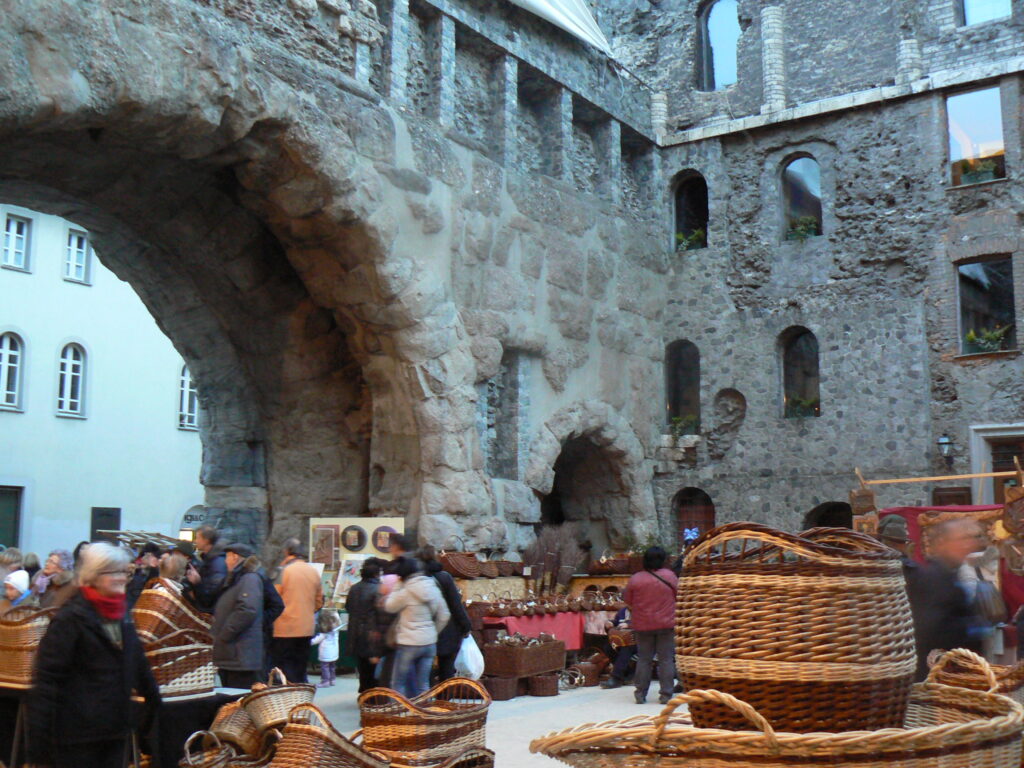
The central experience is moving between makers’ stands in the pedestrian streets of Aosta. Traditional regional crafts include carved wood, turned objects, sculptures, stone, forged iron, leather, basketry, woven textiles and lace. Rather than trying to visit every stand, choose an interest—wood carving, useful household objects or textiles—and spend time comparing how different artisans approach the same material.
Ask politely about the materials and the production process; a maker may be able to explain the difference between a functional tool and a decorative piece. If you buy a larger object, check size, weight and whether the seller can provide appropriate packing or shipping. Prices depend on each work and have not been published as a general event tariff.
Atelier des Métiers in Piazza Chanoux
The Atelier des Métiers offers a more focused look at work by professional craft businesses and master artisans. The 2027 regional programme identifies this as an associated exhibition running January 28–31. Expect objects made from materials such as wood, textiles and metal, with the makers’ individual specialties determining what you encounter. Exact 2027 opening hours are not yet fully confirmed in the organizer’s listing.
Food pavilion in Piazza Plouves
The Padiglione enogastronomico is scheduled for January 28–31 as well. It showcases local food producers, creating a useful introduction to cheeses, cured meats, baked goods, preserves and regional wines. Do not assume that a food tasting is included simply because entry to the fair is free: purchases, tastings and services may have separate conditions.
La Veillà: the traditional evening gathering
A particularly atmospheric part of the fair is La Veillà, a community celebration associated with the evening between the two main fair days. The event programme describes songs, local groups and the opening of historic cellars, or crotte, for convivial gatherings. The organizer currently associates the evening with January 30, but individual activities, access arrangements and hours should be reconfirmed closer to the event. If this is your priority, plan an overnight stay rather than a rushed day trip.
Fiera di Sant’Orso 2027 tickets and opening hours
The official regional tourism information states that the Fiera di Sant’Orso has no general admission fee; the 2027 edition is described as a street fair, not as a ticketed arena show. However, prices for items you buy, food and any separately operated activities are not part of admission. The tourism board also lists the Atelier as free to enter. Check the latest organizer programme before travelling because individual times and special events may change.
2027 daily street-fair hours: not yet fully announced. Avoid relying on the detailed 2026 timetables that remain visible on some official tourism pages. A confirmed 2027 schedule is more useful than a plausible but inaccurate estimate.
Where the fair takes place in Aosta
Aosta is the regional capital of the Aosta Valley, a compact city framed by high Alpine mountains. The fair spreads through the historic center rather than occupying just one indoor building. The Piazza Chanoux area serves as a useful orientation point for the professional artisans’ exhibition; the food pavilion is identified with Piazza Plouves. Streets near the Roman walls, Porta Praetoria and the Sant’Orso quarter become part of the wider walking experience.
If you are booking accommodation, look on a map rather than choosing only by a generic “Aosta Valley” search result: mountain resorts and villages can be far from the fair, and winter roads may be slower than expected. A room in Aosta itself is the simplest option for an evening visit.
How to get to Aosta for Fiera di Sant’Orso
By train and replacement bus
Aosta’s railway connection via Ivrea has undergone electrification works, with replacement buses used during the closure. The official Trenitalia notice for the Torino–Ivrea–Aosta line includes information about bus service changes in September 2026. Do not assume trains will be operating directly to Aosta in January 2027. When you are ready to book, search your exact date on the operator’s website and verify whether the final leg is a train or replacement bus, including transfer points and luggage rules.
By car
Aosta is reachable by road from Piedmont and the rest of the valley, but the fair changes the experience of driving into town. The center is pedestrian-oriented and may be subject to temporary traffic rules. Check the Comune di Aosta and regional visitor information for updated park-and-ride or shuttle arrangements. In winter, allow extra time for weather and road conditions, especially if you plan to continue to a mountain village.
From airports and nearby cities
International travelers may compare airports serving northwestern Italy, including Turin and Milan, but the best option depends on your flight and the onward public-transport connection. Do not book a tight same-day connection around the fair until you have checked the entire route. Visitors staying in Turin may prefer an overnight in Aosta rather than trying to cover the daytime event and the Veillà in one return trip.
Where to stay for the Sant’Orso Fair
Historic center: The most convenient base for browsing the stalls and returning to your room before an evening gathering. Compare properties carefully for access by car, because some historic streets are pedestrian-only.
Near Aosta’s transport hub: Practical if you will arrive by scheduled bus or need an early departure. Check the exact walking route rather than assuming every listing described as “near the station” is equally convenient.
Mountain accommodation outside Aosta: Suitable if you are combining the fair with skiing or a longer alpine holiday, but only when you have a dependable way to get into the city on fair days. Winter conditions and late-night return transport should shape your choice.
Book early enough to secure an acceptable cancellation policy; do not interpret this advice as a claim that rooms are already sold out. See Italy2Love’s skiing in Italy guide if you want to pair the fair with time in the mountains.
What else to do in Aosta
The fair is an easy anchor for a city break because Aosta has a compact historic core. Allow time to see the Roman landmarks, including the Arch of Augustus and Porta Praetoria, and explore the cathedral area and the Sant’Orso district. Opening hours for museums and monuments vary by season, so use each attraction’s current visitor information before committing to a timed itinerary.
Aosta Valley is also known for castles, food traditions and skiing. For a second full day, consider a regional excursion that suits your interests—castle architecture, an alpine landscape or another historic village—but be realistic about public-transport frequencies in winter. In poor weather, focus on Aosta’s museums, cafés and historic streets instead of forcing a long mountain excursion.
Build a trip around Fiera di Sant’Orso 2027
One day: crafts and Roman Aosta
Arrive in the morning, orient yourself around Piazza Chanoux, then walk through the fair stalls at a relaxed pace. Set aside lunch for regional food and reserve time in the afternoon for the cathedral area, Roman streets and a final walk through the artisan displays. One day works for an overview, but it does not include the full Veillà experience.
A weekend: the fair and the Veillà
Arrive on Saturday January 30, leave your luggage at your accommodation, and spend the afternoon meeting makers. Keep the evening free for La Veillà if it appears in the confirmed detailed programme. On Sunday January 31, explore a different set of stands, visit a museum or enjoy a longer lunch. This is the most comfortable plan for travelers coming primarily for the fair.
Three days: culture, food and the wider valley
Use the first day to discover Aosta, the second for the fair and the third for a regional outing. If you would rather avoid an additional winter transfer, make the third day a food-focused city day with visits to local shops and museums. If the weather is favorable and transport is convenient, add a valley excursion chosen around actual operating schedules.

Who should go?
The fair particularly rewards people interested in design, craftsmanship, regional food, photography, living traditions and smaller Italian cities. Couples may enjoy the atmospheric evening; families can discover different materials and techniques, although crowds and cold conditions make a flexible itinerary important. Solo travelers can visit without a guided tour. The event is less suitable for visitors who want a quiet, uncrowded museum day or have little tolerance for standing outdoors in winter.
Practical tips for visiting Aosta in January
- Dress for winter: warm layers, gloves and footwear suited to cold, potentially wet pavements.
- Save official pages: schedules and transport notices can change after your accommodation is booked.
- Plan your walking route: the fair spreads across the center, and not every artisan is in one square.
- Bring a compact shopping bag: useful for smaller handmade purchases, though fragile items need suitable packaging.
- Leave time to talk: the value of the fair is understanding what makes an object local and handmade.
- Confirm accessibility: historic streets and winter crowds can create obstacles; ask organizers about any assistance or accessible routes.
- Check the last connection: especially important if you want to attend the evening gathering before leaving Aosta.
Frequently asked questions
When is Fiera di Sant’Orso 2027?
The main Aosta street fair takes place on January 30 and 31, 2027. The professional artisans’ exhibition and food pavilion run January 28–31.
Is Fiera di Sant’Orso free to enter?
General street-fair admission is traditionally free, and the regional tourism board lists no entrance charge. Purchases and any special activities may have their own conditions.
Where is Fiera di Sant’Orso held?
In Aosta’s historic center. Piazza Chanoux hosts the professional artisans’ Atelier and Piazza Plouves hosts the food pavilion.
What is the best day to visit?
Either main fair day is suitable for browsing craft stands. If you also want La Veillà, choose an overnight stay spanning January 30–31, subject to the final programme.
Can I reach Aosta by train in January 2027?
The Ivrea–Aosta railway has been affected by electrification works and replacement buses. Check Trenitalia’s up-to-date search results for the exact date; direct train service should not be assumed.
Is the fair suitable for families?
Yes for families interested in hands-on traditions and seeing artisans at work, but it is an outdoor winter event with potentially busy streets. Check age-appropriate activities in the confirmed daily programme.
How long should I stay in Aosta?
One day covers highlights; two days are preferable if you want the evening celebration and time to explore the city. Add a third day for a regional excursion.
Are the exact 2027 opening hours available?
Not fully as of October 14, 2026. The organizer says parts of the schedule are still being updated. Recheck shortly before travel.
Official sources and final planning checks
For confirmed 2027 dates, use the Autonomous Region of Aosta Valley’s 2027 event page. For the evolving timetable, use the Fiera di Sant’Orso programme. The Aosta Valley tourism information provides background and access guidance, but some of its detailed timetable still refers to 2026. Always check dates and transport details before paying for non-refundable travel.
Information checked: October 14, 2026. Next recommended verification: November 30, 2026, and again during January 2027 as the final programme and transport details are released.
Featured image: illustrative winter scene, photo by Babak Habibi / Unsplash (Unsplash License); it does not depict the Fiera di Sant’Orso. Historical in-article photograph: Fiera di Sant’Orso, Aosta, 2013, by Patafisik / Wikimedia Commons, CC BY-SA 4.0; original image not modified for this article. Neither photograph depicts the 2027 edition. Image source · License.
Keep exploring Italy