
BLOG · Italy2Love Magazine Guide
Molise Ancestry: How to Find Records in Antenati, Town Halls and Parishes (2026)
Molise ancestry research step by step: find the town, search the Portale Antenati, request civil records from the comune, consult parish and diocesan archives and plan a roots trip.
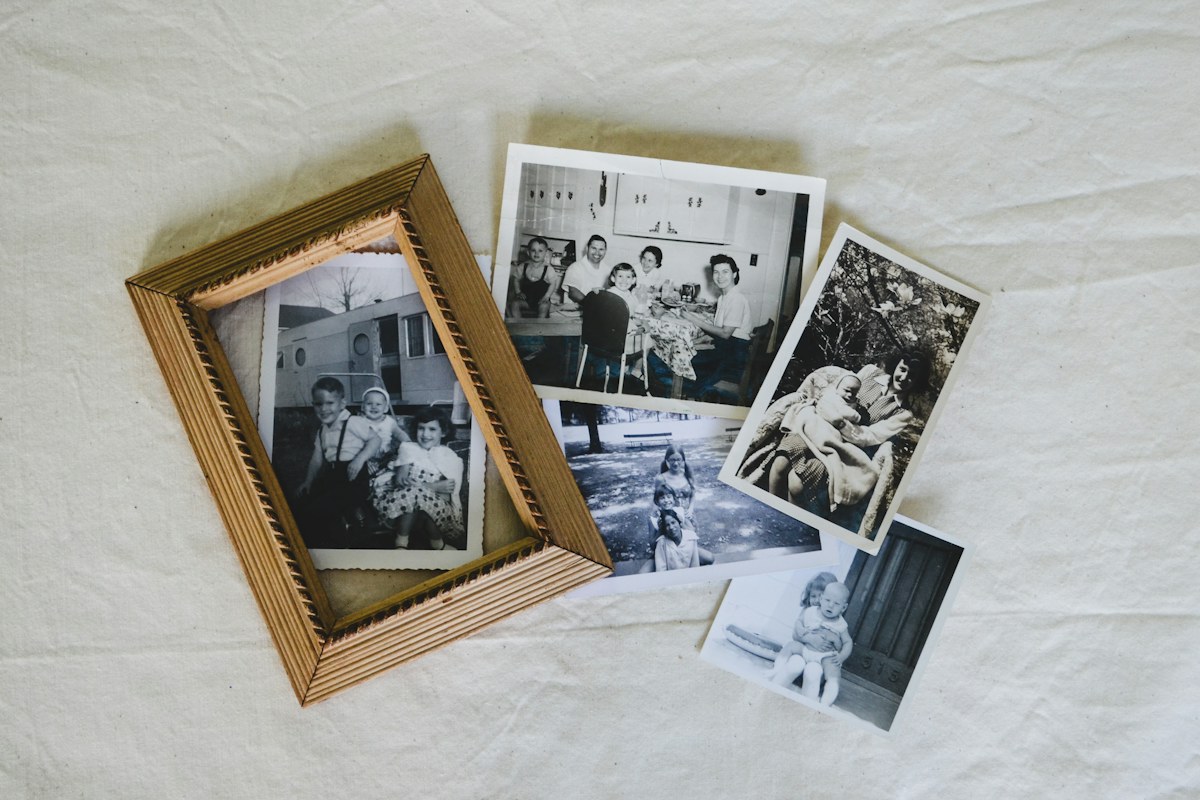
Molise ancestry research starts with a name, a town and a date. Molise sent many emigrants to the Americas and Australia between the late 1800s and the 1960s. Today, their descendants can trace them through Italian civil records, parish registers and national archives, much of it online. This guide explains where each record lives and how to request it. It also covers a visit to your family’s town.
The short answer: first, find your ancestor’s exact comune, or town, from US, Canadian or Australian records. Then search the Italian Ministry of Culture’s Portale Antenati for civil records. For records too recent to be online, write to the town’s civil records office. For births before civil registration, contact the parish or the diocesan archive. Finally, plan a visit with a car and an appointment.
Last updated: September 25, 2026
Molise ancestry records at a glance
| Record | Where it is kept | How to access it |
|---|---|---|
| Civil births, marriages, deaths (older) | State Archives; images on Portale Antenati | Online, by town and year |
| Civil records (recent) | The town hall’s civil records office | Written request to the comune |
| Baptisms, marriages, burials | Parishes and diocesan archives | Written request or appointment |
| Military draft lists | State Archives | Research request or visit |
| Emigration and arrival | Records in the destination country | Passenger lists, naturalization files |
Step 1: find the exact town
Italian archives file records by comune, so the town of birth is the key to Molise ancestry research. Start at home. For example, look for it in naturalization papers, passenger lists, draft cards, marriage records and church documents in your own country. Also, ask older relatives about names, saints’ days and family stories that point to a place.
Be careful with spelling. Clerks abroad often misspelled Italian towns and surnames. Also, some comuni changed names or merged, and the provinces changed too. For instance, Italy split Molise from Abruzzo as a separate region in 1963. Then, in 1970, it carved the province of Isernia out of the province of Campobasso. As a result, older documents may say “Campobasso” or “Abruzzi e Molise” for a town that is now in Isernia.
Step 2: search the Portale Antenati
The Portale Antenati is the Italian Ministry of Culture’s website for State Archive records used in family history. According to its user instructions (checked September 2026), you can browse registers by town, type of record and year. In addition, a name search covers records that volunteers have already indexed.
The same page divides Italian civil registration into three periods: the Napoleonic period (1806–1815), the Restoration period (1815–1865) and the Italian period (1865 onward). Because of privacy rules, the portal shows birth registers only once they are at least 100 years old. Similarly, marriage and death registers appear once they are at least 70 years old.
- Start from the portal’s English home page (checked September 2026) and choose the State Archive of Campobasso for Molise towns.
- Browse the registers year by year. Most are handwritten in Italian, with printed forms in later years.
- Use the annual indexes. Many registers end with an alphabetical index, which saves time.
- Read the marriage supplements. Files for a marriage often include the birth records of the couple and the death records of their parents.
Many of the same images are also available on FamilySearch, which offers its own indexes. Therefore, try both sites if a name search fails.
Step 3: request recent records from the comune
Some records are too recent for the portal. For those, go to the Ufficio di Stato Civile, the civil records office of the town hall. Most comuni list an email address or a certified email (PEC) on their website. Write a short, polite request in Italian. Include the full name, the date of the event and the parents’ names if you know them.
Ask for an estratto, a summary extract, if you only need the facts. By contrast, ask for a copia integrale, a full copy of the original entry, if you need the document for an official purpose. For Italian citizenship, check the document rules with your consulate first, because they change and differ by case. For help with polite phrases, see our guide to basic Italian phrases.
Step 4: go further back with parish and diocesan archives
Before civil registration began in the Napoleonic era, the church kept the records. After the Council of Trent in the 16th century, parishes had to register baptisms and marriages. Later, they also recorded burials. As a result, parish books can take Molise ancestry back to the 1600s or earlier, when they survive.
Today, Molise is divided among four dioceses: Campobasso-Bojano, Isernia-Venafro, Termoli-Larino and Trivento. Some parishes still hold their own books, while others have moved them to the diocesan archive. So write first to the parish priest or the diocesan archive, explain your research and ask how to consult the registers. Expect limited opening hours, and always ask before you travel.
Step 5: other useful records
- Military draft lists (liste di leva): these list young men by birth year, often with a physical description. They are usually kept in the State Archives.
- Notarial records: wills, dowries and land sales, also held by the State Archives.
- Emigration records at home: passenger lists, naturalization files and censuses often give the town and the arrival date.
Planning a roots trip to Molise
Once you know the town, a visit makes the research real. First, book appointments with the town hall, the parish or the archive in advance. Then rent a car, since many villages have limited public transport; our guide to driving in Italy explains the rules. Also, bring copies of your documents and a family tree to share. For sights along the way, read our Molise travel guide.
A private driver or guide can help with visits to archives and small villages. For options across the country, compare our guide to private tours in Italy. In addition, see our Italy travel tips, the regions of Italy and, next door, our Abruzzo travel guide.
Molise ancestry: frequently asked questions
Where can I find Molise birth records online?
On the Portale Antenati of the Italian Ministry of Culture, which publishes State Archive civil records by town and year. Birth registers appear there once they are at least 100 years old.
How do I request a birth certificate from a comune in Molise?
Write to the town hall’s civil records office, the Ufficio di Stato Civile, with the full name, date and parents’ names. Ask for a full copy, a copia integrale, if you need it for an official purpose.
What if my ancestor was born before civil registration?
Use parish records. Contact the parish or the diocesan archive of Campobasso-Bojano, Isernia-Venafro, Termoli-Larino or Trivento.
Why do old documents say Campobasso for a town now in Isernia?
Italy formed the province of Isernia in 1970 from part of the province of Campobasso. So older records use the earlier province.
Can I search Antenati by surname?
Yes, but only for records that volunteers have indexed. Otherwise, browse the registers of the town year by year.
Keep planning: Places to Stay in Molise.
Plan your roots trip
Travel with a private guide
Compare private tours and drivers across Italy, with prices and ratings read on Viator.
Book it: top-rated experiences in Italy
We don’t cover bookable experiences for this exact area yet, so these are matched by interest where possible, then ordered by Viator rating and number of reviews (checked September 2026). Prices and availability are shown live on Viator.
Keep exploring Italy