
BLOG · Italy2Love Magazine Guide
Valpolicella Wine Tasting: Amarone, Classico Villages and How to Visit (2026)
Valpolicella wine tasting explained: the four wines, appassimento and Amarone aging rules, the five Classico villages, tour vs self-drive, buses from Verona and when to go.
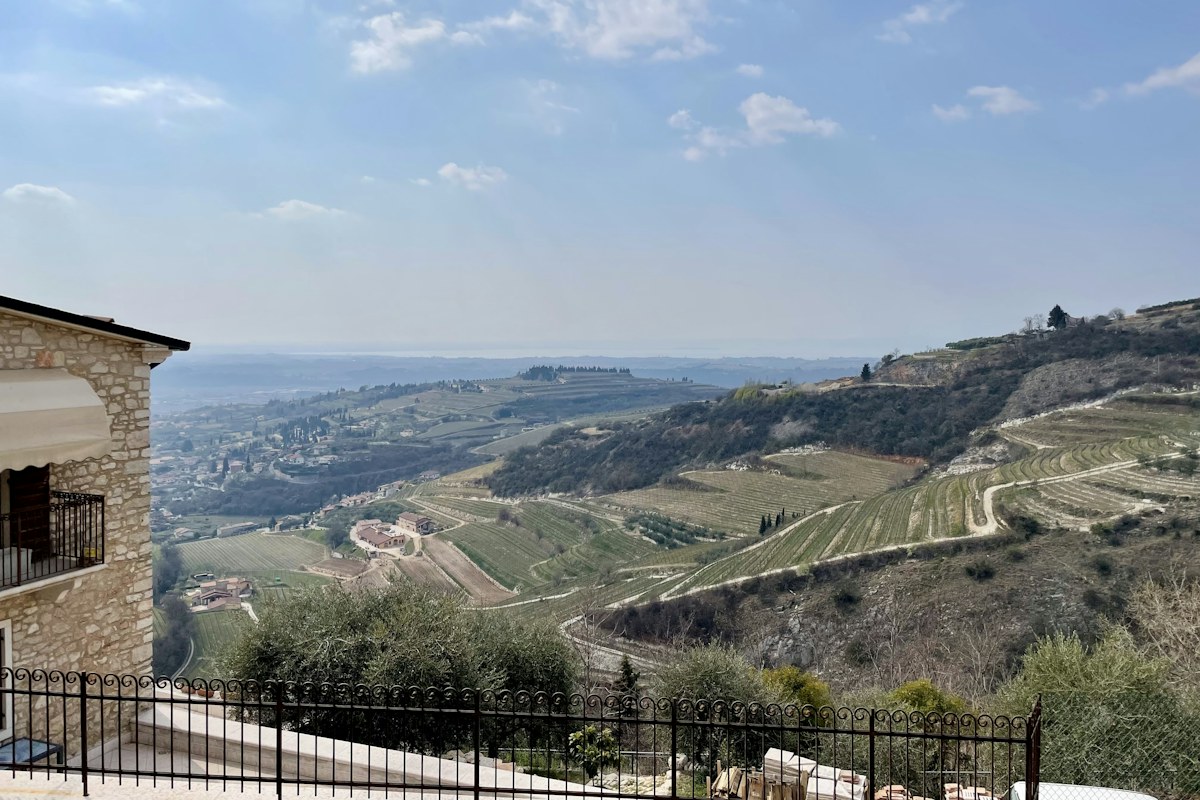
Valpolicella wine tasting is one of the easiest wine days in Italy, because the vineyards start just north of Verona. This guide explains the four wines you will pour, the dried-grape method behind Amarone and the five Classico villages. It also helps you choose between a guided tour and your own car, and tells you when to go.
The short answer: base yourself in Verona and aim for the Classico zone, the valleys of Fumane, Marano and Negrar plus San Pietro in Cariano and Sant’Ambrogio. A typical tasting pours Valpolicella, Ripasso and Amarone, and sometimes the sweet Recioto. Book every winery ahead. A guided tour is the simplest option, since Italy’s alcohol limit is 0.5 g/l and zero for new drivers. Fall, around the harvest and the grape drying, is a popular time to visit.
Last updated: September 26, 2026
Valpolicella wine tasting at a glance
| What to know | |
|---|---|
| Where | The hills between Verona, Lake Garda and the Lessini Mountains |
| The four wines | Valpolicella, Valpolicella Ripasso, Amarone della Valpolicella, Recioto della Valpolicella |
| Main grapes | Corvina and/or Corvinone (45–95% in Amarone), Rondinella (5–30%) |
| Key method | Appassimento: grapes dried for 100 to 120 days before pressing |
| Amarone minimum aging | Two years from January 1 after the harvest; Riserva four years |
| Classico villages | Fumane, Marano, Negrar, San Pietro in Cariano, Sant’Ambrogio |
| Easiest base | Verona, with a tour, a driver or a local ATV bus |
| Booking | Reserve winery visits in advance, especially on weekends |
The Valpolicella wine family, from light to sweet
Valpolicella is not one wine but a family of four, all made from the same local grapes. The consortium names them Valpolicella, Valpolicella Ripasso, Amarone della Valpolicella and Recioto della Valpolicella. It calls Corvina, Corvinone and Rondinella the three native grapes behind their success. A good tasting walks you through them in order, from the freshest to the richest.
- Valpolicella: the everyday red, light and fruity. On labels you may also see Classico, for the historic zone, and Superiore, for a more structured version.
- Valpolicella Ripasso: a middle path. According to the consortium’s Ripasso page (checked September 2026), it is made by refermenting Valpolicella on the pomace left from Amarone or Recioto. As a result, it gains body and dried-fruit notes.
- Amarone della Valpolicella: the famous dry red from dried grapes, powerful and high in alcohol, with a legal minimum of 14% by volume.
- Recioto della Valpolicella: the sweet wine, also from dried grapes. The consortium calls it the only sweet wine of Valpolicella and notes that its acidity keeps it from being cloying (checked September 2026).
Historically, Recioto came first. Amarone grew out of it, when a sweet wine fermented until dry and turned slightly bitter. In fact, the name comes from amaro, the Italian word for bitter.
Appassimento: how Amarone is made
The step that sets Valpolicella apart is appassimento, the slow drying of whole bunches after harvest. The grapes rest in a fruttaio, a drying loft, often on wooden racks or plastic crates. Many winery visits include this room, so ask to see it.
The rules are precise. The Amarone production regulations published by the consortium (checked September 2026) set a drying period of 100 to 120 days, until the grapes lose at least half their weight. In addition, the dried grapes cannot be made into wine before December 1. The same document sets the minimum aging at two years from January 1 after the harvest. For the Riserva, it is four years from November 1 of the harvest year.
That explains the price gap you will notice on any tasting list. Amarone needs about twice the fresh grapes per bottle and months of extra work before fermentation even starts. By contrast, a basic Valpolicella reaches the market much sooner.
The Classico zone: five villages to know
The appellation covers 19 municipalities, according to the consortium’s area page (checked September 2026). Five of them form the Classico zone, the historic heart northwest of Verona. The other main districts are the Valpantena valley and the wider DOC area to the east.
- San Pietro in Cariano: the central town of the Classico zone, on the flatter land closest to the Adige.
- Sant’Ambrogio di Valpolicella: the western edge, known for its local marble and close to the road to Lake Garda.
- Fumane: a valley running north into the hills, with vineyards on its slopes.
- Marano di Valpolicella: the central valley, quieter and more rural.
- Negrar di Valpolicella: the eastern valley, and the closest to Verona.
For a first Valpolicella wine tasting, two wineries in neighboring valleys make a better day than three in the same village. For example, pair a stop in Negrar with one in Fumane or Marano. Also look out for the stone walls and terraces, locally called marogne, that hold up many hillside vineyards.
How a Valpolicella wine tasting works
Most wineries in the area work by appointment rather than as walk-in bars. In practice, a visit usually means a short cellar tour, the drying loft if the season allows, and then a seated tasting of three to five wines. Some estates add local cheese, cured meats or a full lunch.
- Book ahead: small family estates may have only one person free for visitors, so email or book online several days in advance.
- Weekdays are easier: as a general rule, Saturdays fill first, and many small estates close or limit visits on Sundays.
- Pace yourself: Amarone is strong, so use the spittoon and drink water between pours.
- Shipping: ask the winery whether it ships to your country before buying several bottles.
Guided tour, driver or self-drive?
The right format depends on who drives. This short table sums up the options.
| Format | Best for | Main trade-off |
|---|---|---|
| Guided wine tour from Verona | First-timers who want zero logistics | Fixed schedule and wineries chosen for you |
| Private driver | Couples and groups who want to pick the estates | Higher cost, but nobody drives |
| Self-drive | Travelers with a non-drinking driver | The driver cannot really taste |
| Local bus | Budget travelers visiting one winery | Limited service and walking from the stop |
Guided wine tours
A group or small-group tour handles transport, bookings and timing. For example, our page on the Valpolicella wine tour covers this format. Before booking, check the pickup point in Verona, the number of wineries and whether food is included.
Driving yourself: the legal limit
Italy’s general limit is 0.5 grams of alcohol per liter of blood. However, it drops to zero for drivers under 21, for drivers in their first three years with a license and for professional drivers, according to the Automobile Club d’Italia (checked September 2026). The hill roads are narrow and winding. So the only safe plan is a designated driver who does not drink at all. Before renting a car, read our guide to driving in Italy.
Getting to Valpolicella from Verona
The Classico zone sits just northwest of the city, so it is a short drive from Verona. If you prefer public transport, the ATV Verona bus company (checked September 2026) lists three lines into the area: line 93 to Negrar, line 103 to San Pietro in Cariano and Sant’Ambrogio, and line 104 through Negrar toward the upper hills. Check timetables before you go, since rural service can be sparse. Also, many estates sit a walk or a taxi ride away from the nearest stop.
Verona itself deserves at least a day. See our guide to Verona tours and the Veneto travel guide. In summer, you can pair a wine afternoon with an evening at the Arena di Verona opera festival.
When to go for a Valpolicella wine tasting
Fall is a popular season. The harvest usually runs from September into October, depending on the weather, and the best bunches then go into the drying lofts. As a result, October and November are good months to see appassimento in action. However, harvest weeks are busy for small wineries, so book early.
Spring brings green vineyards and quieter roads. Meanwhile, winter is the season of Amarone Opera Prima, the consortium’s annual Amarone event in Verona. According to the official event site (checked September 2026), the 22nd edition ran on January 31 and February 1, 2026, at Veronafiere and was open to the public aged 18 and over. Dates for the next edition had not been announced when this guide was updated. If you are traveling then, see our guide to Italy in February.
Book your Verona wine day
Compare our experience pages in and around Verona, then match them to your days:
- Valpolicella wine tour: wineries in the hills north of Verona.
- Verona walking tour: the city center, the Arena and the old town.
- Lake Garda day trip to Sirmione: a lake day to the west of the wine zone.
For more lake ideas, see our guide to Lake Garda tours. To compare wine regions, read about Barolo wine tours in Piedmont and Prosecco hills tours in the Veneto, or browse all our wine tours in Italy.
Pairing a Valpolicella tasting with a stay in the city? Our Verona itinerary shows where it fits.
Back in town, our Verona food tour page compares two food walks with local wine, both starting on Corso Porta Borsari, one of them with risotto made with Amarone.
Valpolicella wine tasting: frequently asked questions
Do I need to book a Valpolicella wine tasting in advance?
Yes. Most wineries work by appointment, and small estates may have limited staff for visitors. Book several days ahead, and earlier for weekends and harvest time.
What is the difference between Ripasso and Amarone?
Amarone is made from grapes dried for 100 to 120 days. Ripasso is Valpolicella refermented on the pomace left from Amarone or Recioto, so it is lighter and usually less expensive.
Which villages are in the Valpolicella Classico zone?
The Classico zone includes Fumane, Marano, Negrar, San Pietro in Cariano and Sant’Ambrogio di Valpolicella, northwest of Verona.
How long does Amarone have to age?
The production rules require at least two years from January 1 after the harvest. Amarone Riserva needs at least four years from November 1 of the harvest year.
Can I visit Valpolicella wineries without a car?
Yes. A guided tour or a private driver is the easiest option. ATV buses from Verona also reach Negrar, San Pietro in Cariano and Sant’Ambrogio, but service is limited.
Plan your days in Verona
Find your Valpolicella wine tour
Compare wine tours in the Valpolicella hills and experiences in Verona and on Lake Garda, with prices and ratings read on Viator.
Book it: experiences for this trip
Matched to this article by place and interest, then ordered by Viator rating and number of reviews (checked October 2026). Prices and availability are shown live on Viator.
Keep exploring Italy