
BLOG · Italy2Love Magazine Guide
Italian Prosecco: DOC vs DOCG, Sweetness Levels and the Prosecco Hills (2026)
Italian Prosecco explained: the Glera grape, DOC and DOCG, how to read Brut and Extra Dry, Prosecco Rosé and how to visit the UNESCO hills of Conegliano Valdobbiadene, checked September 2026.
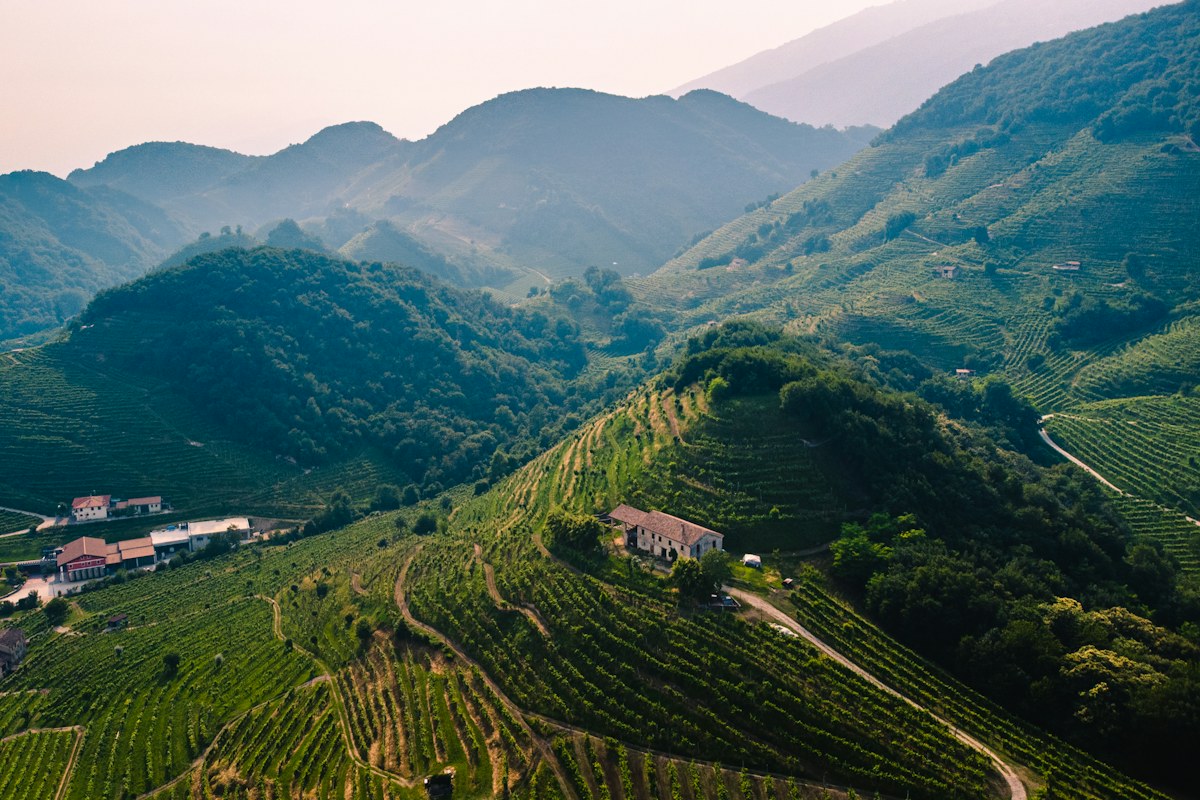
Italian Prosecco is the sparkling wine of the hills between Venice and the Dolomites, made mainly from the Glera grape and fermented in large pressure tanks rather than in the bottle. This guide explains what the labels mean, how to tell the everyday DOC from the hillside DOCG, and how to visit the vineyards on a trip to the Veneto.
The short answer: Prosecco is made in north-east Italy from at least 85% Glera. The broad Prosecco DOC covers nine provinces in the Veneto and Friuli Venezia Giulia; the steeper hills of Conegliano Valdobbiadene make the DOCG Prosecco Superiore, and Asolo has a DOCG of its own. On the label, “Extra Dry” is slightly sweeter than “Brut”. The Conegliano Valdobbiadene hills are a UNESCO World Heritage Site and an easy day trip from Venice.
Last updated: September 25, 2026
Italian Prosecco at a glance
| Label | Where it comes from | What to expect |
|---|---|---|
| Prosecco DOC | Nine provinces in the Veneto and Friuli Venezia Giulia | The everyday style, fresh and fruity |
| Prosecco DOC Rosé | Same area | Pink, with 10–15% Pinot Nero, always vintage-dated |
| Conegliano Valdobbiadene Prosecco Superiore DOCG | The steep hills between Conegliano and Valdobbiadene | More aromatic and finer bubbles |
| Superiore di Cartizze | A small hillside area inside the DOCG, near Valdobbiadene | The most prized hill, often made in a sweeter style |
| Asolo Prosecco DOCG | The hills around Asolo | Hillside Prosecco, often very dry |
Rules from the Prosecco DOC consortium and Italian Wine Central, checked September 2026.
What Prosecco is, and where it is made
Italian Prosecco is a protected name, not a grape. Since 2009, according to the Prosecco DOC consortium, it can only come from nine provinces: Belluno, Gorizia, Padua, Pordenone, Treviso, Trieste, Udine, Venice and Vicenza. The main grape is Glera, and up to 15% of other varieties are allowed, including Chardonnay, Pinot Bianco and Pinot Nero (checked September 2026).
It comes in three forms: spumante, fully sparkling and the one most people drink; frizzante, lightly sparkling; and a rare still version, tranquillo.
How Prosecco is made
Most Prosecco uses the tank method, known in Italy as the Martinotti or Charmat method. The base wine goes through its second fermentation in large sealed steel tanks, where the bubbles form, and is then bottled under pressure. As a result, the wine keeps the fresh, fruity aromas of the grape, with notes of green apple, pear and white flowers.
Champagne and Franciacorta, by contrast, ferment a second time in each bottle and age on the yeast, which gives toastier flavors. Neither method is better; they simply make different wines. A few producers also make col fondo, an older style re-fermented in the bottle and left cloudy.
DOC or DOCG: the hills make the difference
The hills between Conegliano and Valdobbiadene, in the province of Treviso, are the historic heart of Prosecco. Their wine became a DOC in 1969 and a DOCG in 2009, and it is labeled Conegliano Valdobbiadene Prosecco Superiore. Within it, 31 hamlets can name their single hill, or Rive, on the label, according to Italian Wine Central (checked September 2026).
The steep slopes are the reason the landscape looks the way it does. In 2019, UNESCO listed Le Colline del Prosecco di Conegliano e Valdobbiadene as a World Heritage Site, for the “hogback” hills and the checkerboard of small vineyard terraces, the ciglioni, as described on the UNESCO World Heritage list.
The most famous hill, Cartizze, sits near Valdobbiadene and has its own sub-zone. West of the Piave river, the hills around Asolo make the separate Asolo Prosecco DOCG.
How to read the sweetness on the label
Prosecco labels use the standard European sweetness terms, and they can be confusing, because the words do not mean what they seem to. In order, from driest to sweetest:
- Brut Nature and Extra Brut: bone-dry, still rare for Prosecco.
- Brut: dry, the best choice with food.
- Extra Dry: slightly sweeter than Brut, the classic Prosecco style.
- Dry: noticeably sweet, despite the name.
- Demi-sec: sweet, for dessert.
In short, if you want a dry glass, ask for Brut. For more on Italian producers, read our guide to Italian wine brands.
Prosecco Rosé
Pink Prosecco is a recent category. According to the consortium’s rules, Prosecco DOC Rosé contains 85–90% Glera and 10–15% Pinot Nero vinified as a red wine. It must always carry a vintage on the label (millesimato) and goes on sale from January 1 of the year after the harvest (checked September 2026). There is no rosé in the DOCG hills.
How to drink and serve Prosecco
- Serve it cold, at about 6–8 °C (43–46 °F), in a white wine glass rather than a narrow flute, so the aromas come through.
- Drink it young. Most Prosecco is made to be enjoyed within a year or two of the vintage.
- Try it the local way. In Venice, Prosecco is the base of the spritz and the partner of cicchetti, the small bar snacks; see our guide to cicchetti in Venice.
- Pair it with food. Brut works with seafood, fried starters and light pasta; Extra Dry with cured meats and mild cheeses.
Visiting the Prosecco hills
To taste Italian Prosecco at the source, head to the Conegliano Valdobbiadene hills, about an hour’s drive north of Venice. The most scenic stretch is the wine road between the two towns, with small family wineries, osterie and viewpoints over the terraces. Fall, around the grape harvest, and spring are the best seasons.
Because tastings and driving don’t mix, a guided day is the simplest option: compare the Prosecco hills wine tour from Venice, and see our list of the best day trips from Venice. For more wine regions, our wine tours in Italy page compares the options.
Want to taste it where it is made? Our guide to Prosecco hills tours explains how to visit Conegliano and Valdobbiadene from Venice.
The wine is named after Prosecco, a village within the municipality of Trieste. Our Trieste wine tour page compares a small-group tasting in the village itself with a Karst day trip from Trieste.
Raise a glass to the next trip. Prosecco tastes even better where it grows. These guides help you plan the journey.
- Italian wine regions: the grapes, the bases and the tours.
- aperitivo in Italy: the Spritz ritual and its regional styles.
- 2 days in Venice: the city that makes the perfect base for the hills.
- Valpolicella wine tasting: Amarone and the villages near Verona.
Want to wake up among the vineyards? Compare places to stay in the Prosecco Hills below.
Affiliate links: if you book through them, Italy2Love earns a commission at no extra cost to you.
Grappa, the pomace spirit closely associated with the Veneto, is another local pour; our guide to grappa explains how to read the label.
Italian Prosecco: frequently asked questions
What grape is Prosecco made from?
Mainly Glera. The rules require at least 85% Glera, with up to 15% of other varieties such as Chardonnay, Pinot Bianco or Pinot Nero.
What is the difference between Prosecco DOC and DOCG?
Prosecco DOC comes from a wide area of nine provinces in the Veneto and Friuli Venezia Giulia. The DOCG wines come from the hills of Conegliano Valdobbiadene and Asolo, with stricter rules.
Is Extra Dry Prosecco sweeter than Brut?
Yes. On sparkling wine labels, Extra Dry is slightly sweeter than Brut, and Dry is sweeter still.
Where is the best Prosecco from?
The steep hills between Conegliano and Valdobbiadene, a UNESCO World Heritage Site since 2019, and in particular the Cartizze hill near Valdobbiadene.
Can you visit the Prosecco hills from Venice?
Yes. They are about an hour north of Venice, and guided wine tours include transport and tastings.
Plan the Veneto
Taste Prosecco where it is made
Compare wine tours in the Prosecco hills and other Italian wine regions, with prices and ratings read on Viator.
Book it: experiences for this trip
Matched to this article by place and interest, then ordered by Viator rating and number of reviews (checked September 2026). Prices and availability are shown live on Viator.
Keep exploring Italy